MSI Vector VECTOR 16 HX AI A2XWHG-074 RAM upgrade specifications



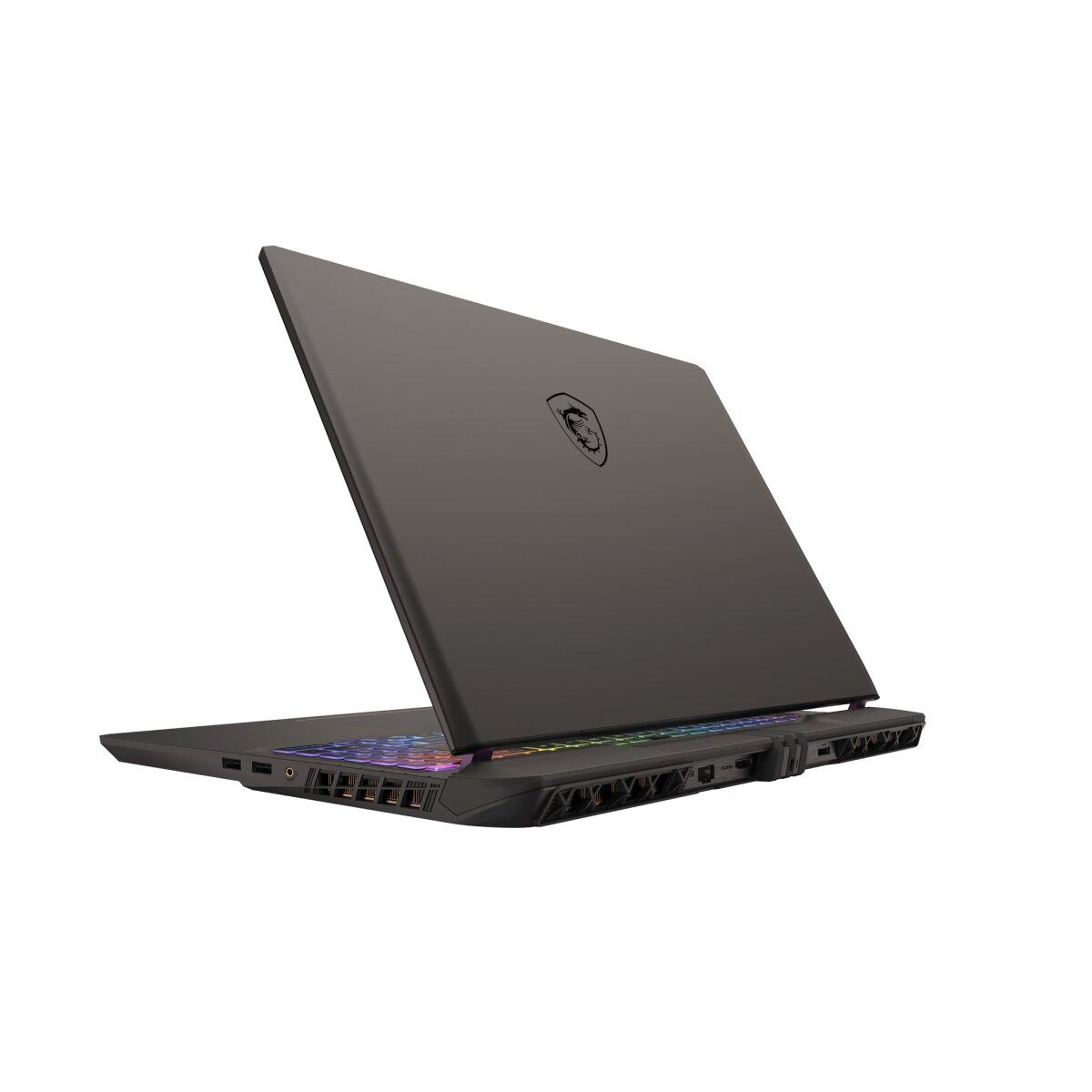
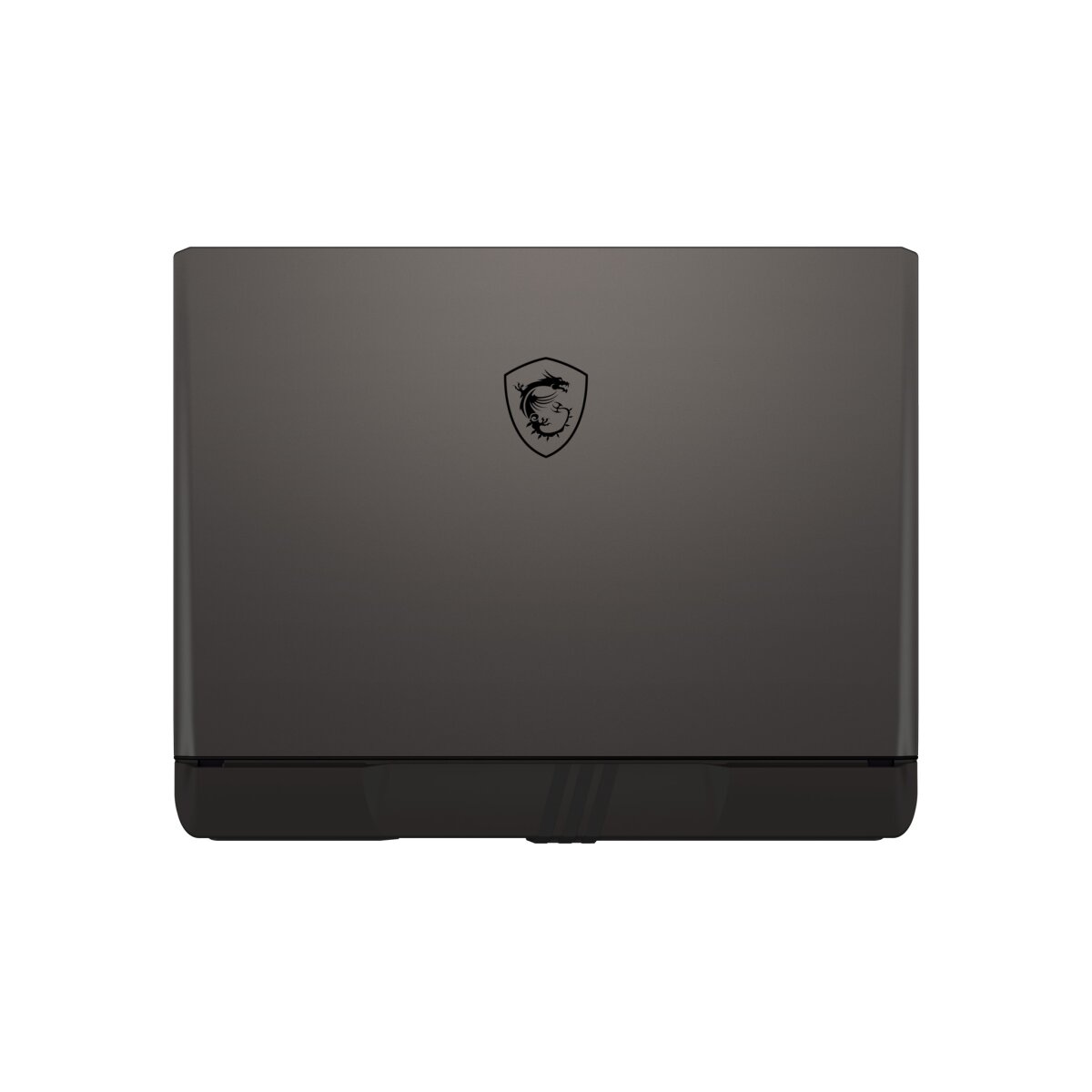
MSI Vector 16 HX AI A2XWHG-074 supports DDR5-SDRAM memory upgrades via dual SO-DIMM slots. Maximum memory capacity reaches 96 GB total. Compatible memory operates at 5600 MHz frequency. Specifications indicate expandable memory configuration for enhanced multitasking and performance. Upgrade options accommodate SO-DIMM form factor modules only. Current system memory specifications support professional-grade computing requirements within Vector 16 HX AI series parameters.
Memory Upgrade Specifications
| Specification | Value |
|---|---|
| Memory slots | 2x SO-DIMM |
| Form factor | SO-DIMM |
| Memory type | DDR5-SDRAM |
| Frequency | 5600 MHz |
| Maximum RAM | 96 GB |
| Voltage | 1.1V |
| Number of pins | 262-pin |
| Interface | PC5 |
| PC Speed Rating | PC5-5600 (PC5-44800) |
| Bandwidth | 44.8 GB/s |
Additional Notes
- The 96 GB maximum memory capacity requires two 48 GB SO-DIMM modules, which may have limited availability from third-party manufacturers compared to more common 32 GB or 16 GB module configurations.
- DDR5-5600 operates with higher voltage requirements and thermal output than DDR4 generations, potentially affecting battery runtime during memory-intensive operations when running on battery power.
- The dual-channel SO-DIMM configuration enables symmetric memory population for optimal bandwidth utilization when using matched pairs of identical capacity and timing specifications.
- Installing memory modules with speeds exceeding 5600 MHz will result in automatic downclocking to the chipset's native frequency, providing no performance benefit despite higher module costs.
- SO-DIMM DDR5 modules require verification of PCB height specifications, as some high-density modules may interfere with chassis clearances in thin gaming laptop designs.
- The memory controller in this MSI Vector 16 HX AI A2XWHG-074 platform supports JEDEC standard timings, meaning modules with aggressive XMP/EXPO profiles may not deliver advertised latencies without BIOS support for these overclocking profiles.
- Mixing modules with different densities or ranks across the two slots may force the memory controller into single-channel mode or cause instability during high-bandwidth workloads.
- DDR5 on-die ECC functionality operates independently of user configuration, providing basic error correction without the need for registered or buffered module types incompatible with SO-DIMM standards.
- Memory upgrades performed through the accessible bottom panel typically preserve manufacturer warranty status, unlike disassembly requiring keyboard or screen removal.
- The 5600 MHz frequency represents the JEDEC baseline specification for this generation, ensuring broad compatibility with modules from multiple vendors without requiring manufacturer-specific validation.