MSI Workstation 10TI-424FR RAM upgrade specifications
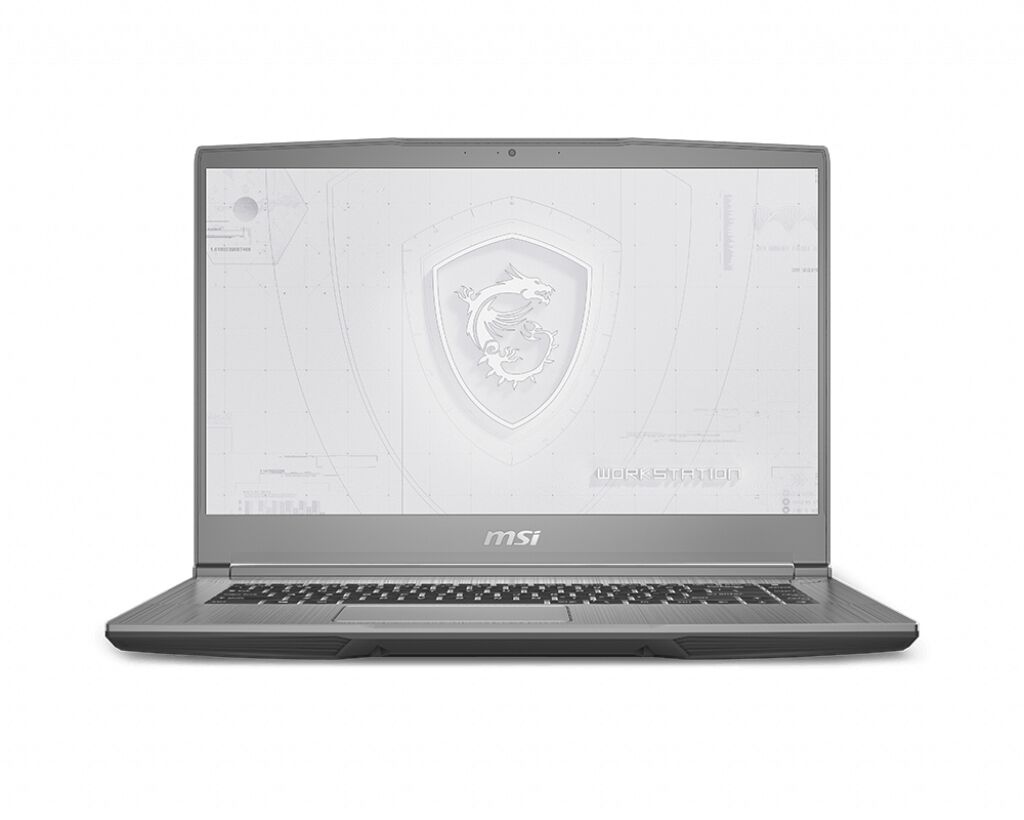

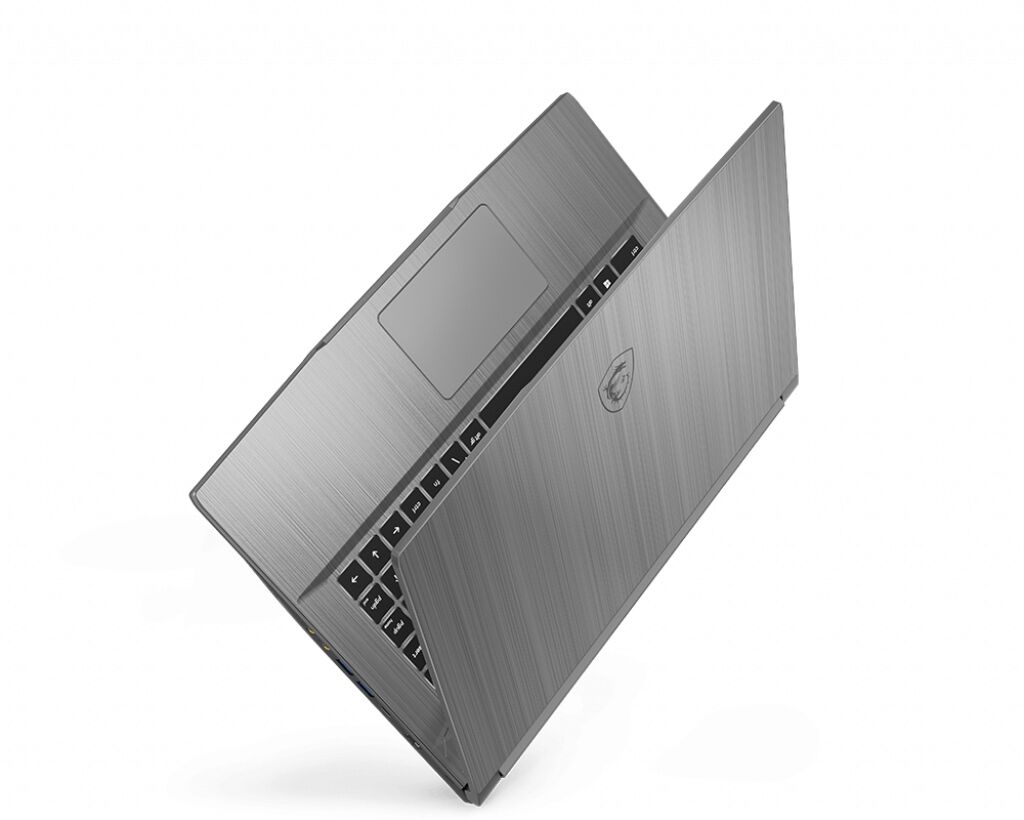
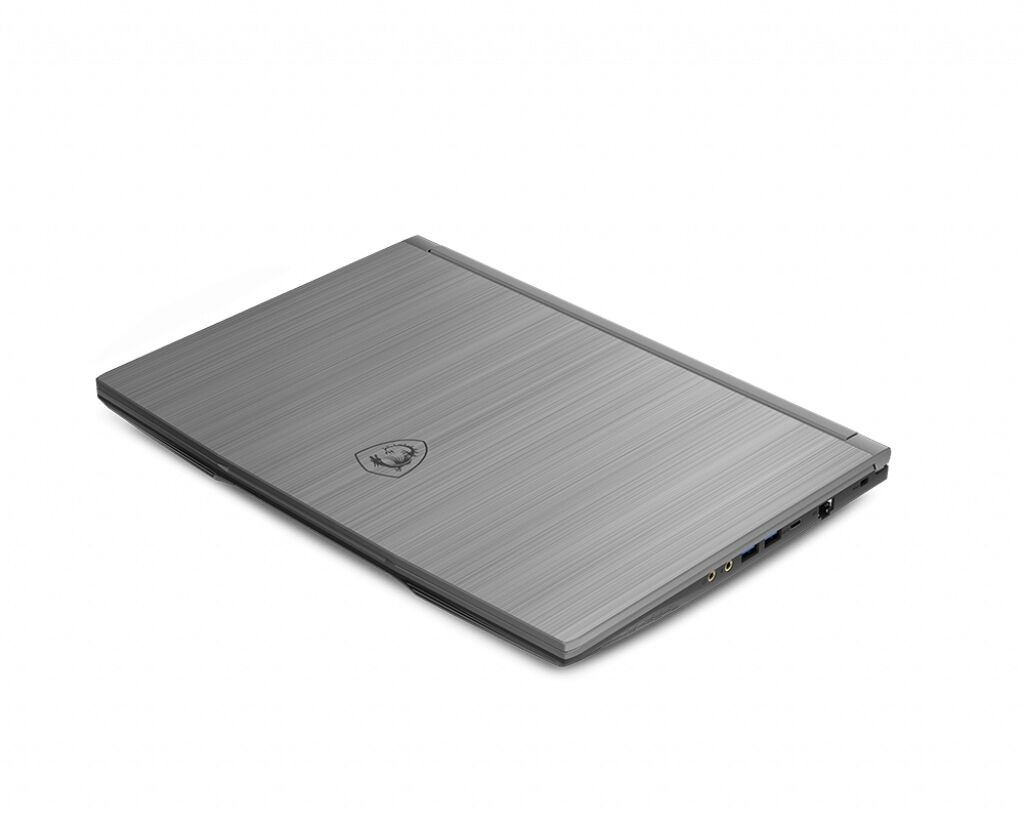

The MSI WF65 10TI-424FR workstation features DDR4-SDRAM memory configuration with two SO-DIMM slots supporting maximum capacity of 64 GB RAM. Compatible upgrade specifications include DDR4 memory operating at 2666 MHz frequency. The workstation supports SO-DIMM form factor memory modules for RAM expansion. Maximum memory capacity reaches 64 GB with dual-slot configuration, enabling significant upgrade potential for workstation-level performance requirements.
Memory Upgrade Specifications
| Specification | Value |
|---|---|
| Memory slots | 2x SO-DIMM |
| Form factor | SO-DIMM |
| Memory type | DDR4-SDRAM |
| Frequency | 2666 MHz |
| Maximum RAM | 64 GB |
| Voltage | 1.2V |
| Number of pins | 260-pin |
| Interface | PC4 |
| PC Speed Rating | PC4-2666 (PC4-21328) |
| Bandwidth | 21.3 GB/s |
| Laptop Release date | 01 May 2020 |
Additional Notes
- The 2666 MHz frequency limitation indicates a 9th or 10th generation Intel processor, which restricts memory speed certification regardless of module capability.
- Installing higher frequency modules rated at 2933 MHz or 3200 MHz will result in automatic downclocking to 2666 MHz through JEDEC standards.
- The 64 GB maximum capacity requires 2 modules of 32 GB each in dual-channel configuration, as single 64 GB SO-DIMM modules exceed consumer DDR4 specifications.
- Mixing modules with different densities or ranks may force the memory controller into single-channel mode, halving theoretical bandwidth from 42.6 GB/s to 21.3 GB/s.
- SO-DIMM physical specification of 67.6 mm length differs from desktop DIMM form factor, preventing use of standard desktop memory modules.
- The MSI Workstation 10TI-424FR requires DDR4 modules operating at 1.2V standard voltage, as higher voltage variants designed for overclocking may cause POST failures.
- Dual-channel population requires matched pair installation in both slots to enable interleaved memory access patterns for workstation applications.
- Non-ECC unbuffered memory represents the compatible standard, as registered or ECC modules require server-grade chipsets not present in mobile workstation platforms.
- CAS latency variations between CL17, CL19, and CL22 at 2666 MHz produce measurable differences in latency-sensitive professional applications despite identical bandwidth.
- RAM access panels on mobile workstations typically require bottom cover removal, which may void certain warranty provisions if damage occurs during user installation.