MSI Workstation WP65 9TH-263 RAM upgrade specifications
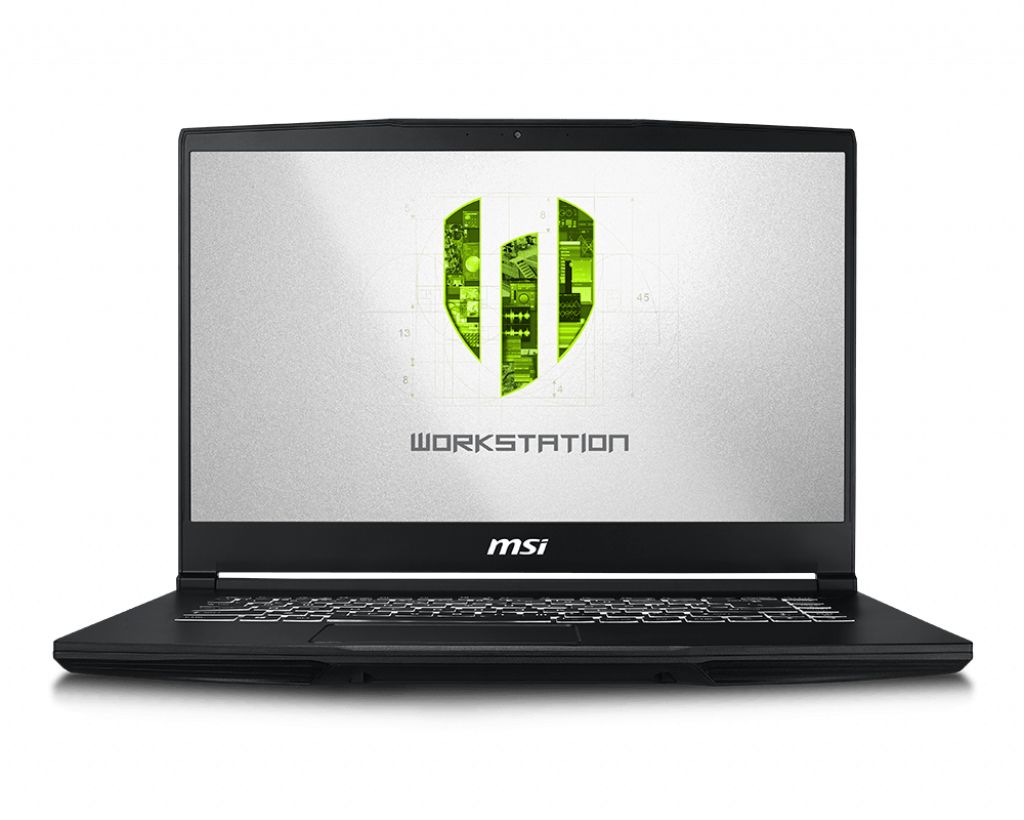
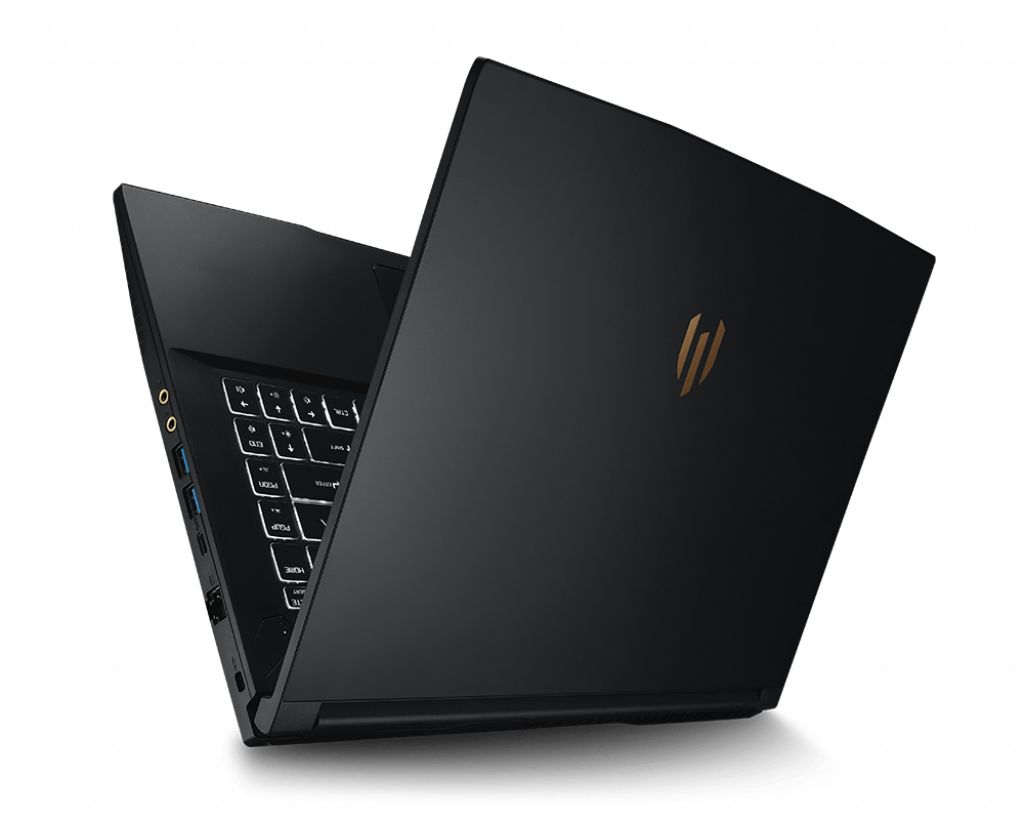

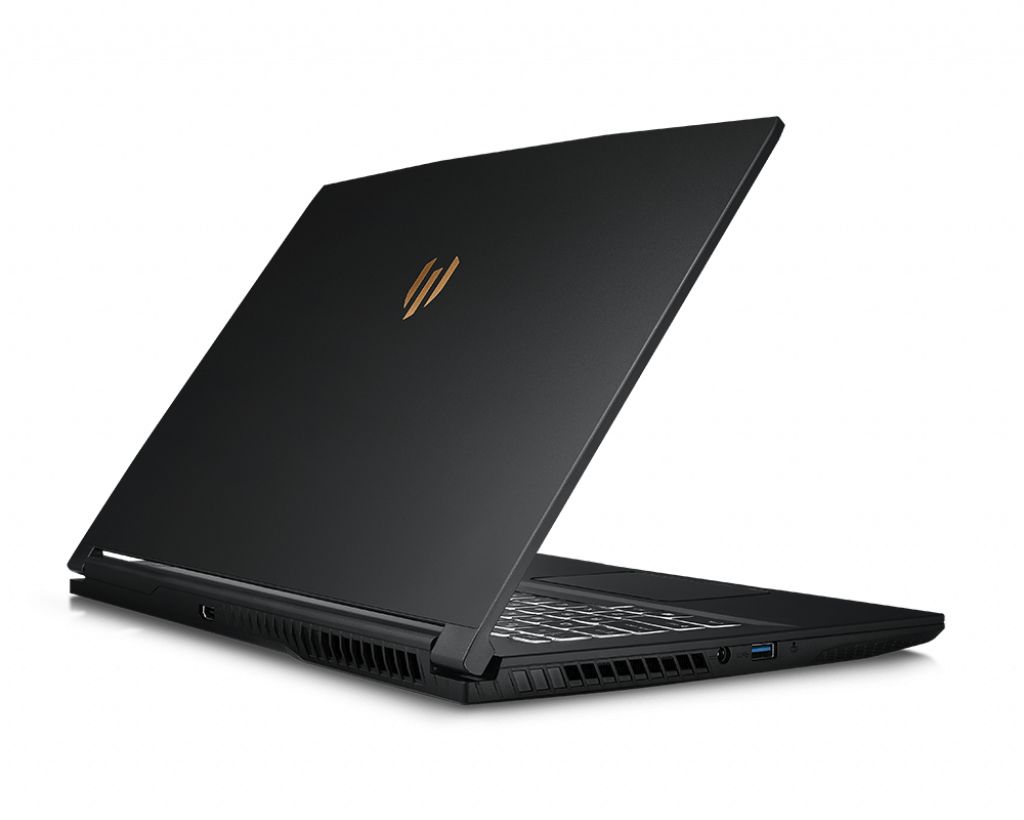

MSI WP65 9TH-263 workstation supports DDR4-SDRAM memory upgrades through two SO-DIMM slots. Compatible specifications include 2400 MHz frequency with maximum RAM capacity of 64 GB total. Upgrade configurations utilize SO-DIMM form factor modules. Memory specifications define the compatible parameters for RAM expansion in the WP65 series workstation platform.
Memory Upgrade Specifications
| Specification | Value |
|---|---|
| Memory slots | 2x SO-DIMM |
| Form factor | SO-DIMM |
| Memory type | DDR4-SDRAM |
| Frequency | 2400 MHz |
| Maximum RAM | 64 GB |
| Voltage | 1.2V |
| Number of pins | 260-pin |
| Interface | PC4 |
| PC Speed Rating | PC4-2400 (PC4-19200) |
| Bandwidth | 19.2 GB/s |
| Laptop Release date | 27 August 2019 |
Additional Notes
- The MSI WP65 9TH-263 workstation uses SO-DIMM form factor exclusively, which restricts upgrades to mobile-class memory modules rather than full-size UDIMM components found in desktop workstations.
- The 2-slot configuration with 64 GB maximum capacity means each SO-DIMM can hold up to 32 GB, creating a single upgrade path: dual 32 GB modules for maximum configuration.
- DDR4-2400 MHz frequency operates at the lower end of modern DDR4 specifications, which may create latency constraints when paired with 9th-generation processors capable of supporting faster memory speeds, potentially leaving bandwidth headroom unused.
- The dual-slot limitation prevents staged memory expansion; the system requires simultaneous replacement of both modules to reach maximum capacity, as mismatched configurations would force operation at the slower module's speed.
- SO-DIMM memory carries higher per-gigabyte costs compared to standard UDIMM equivalents, making capacity upgrades to 64 GB significantly more expensive than equivalent desktop workstation upgrades.
- Memory replacement on mobile workstations typically requires partial disassembly and poses higher risk of component damage during installation compared to desktop systems, potentially voiding coverage if non-factory service is performed.
- The 2400 MHz specification may represent an intentional conservative setting for thermal and power management in this compact workstation form factor rather than a hard hardware limitation.