MSI Workstation WS65 8SK-481 RAM upgrade specifications
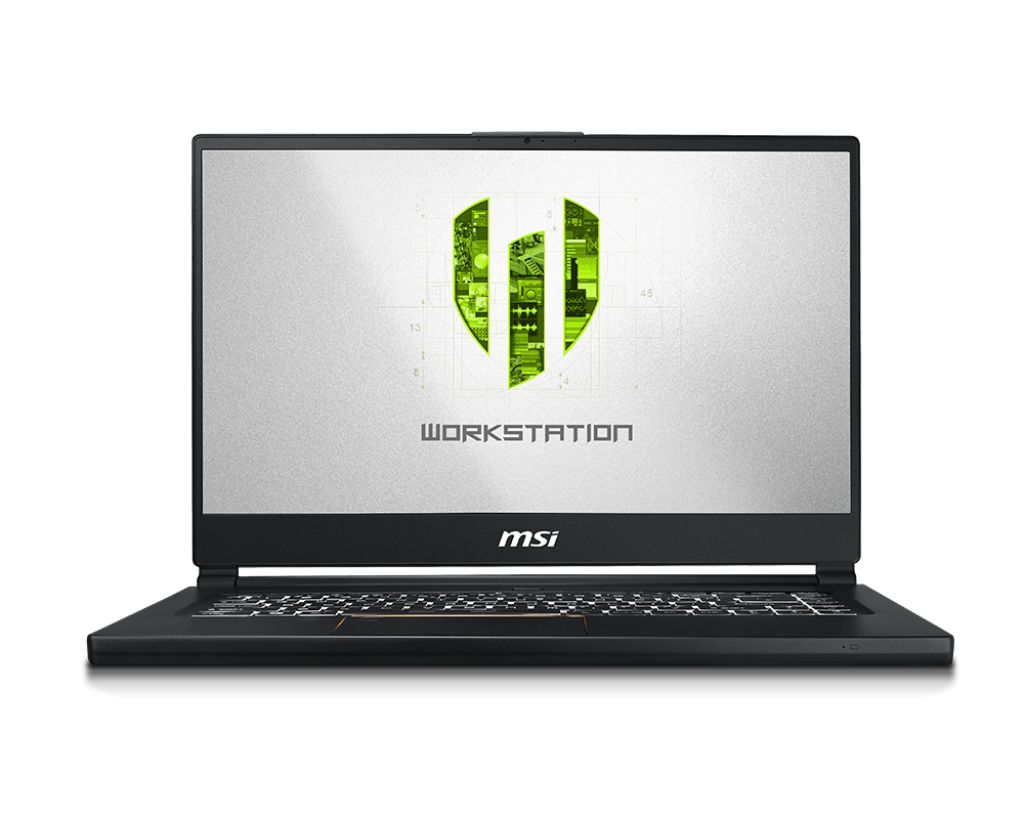
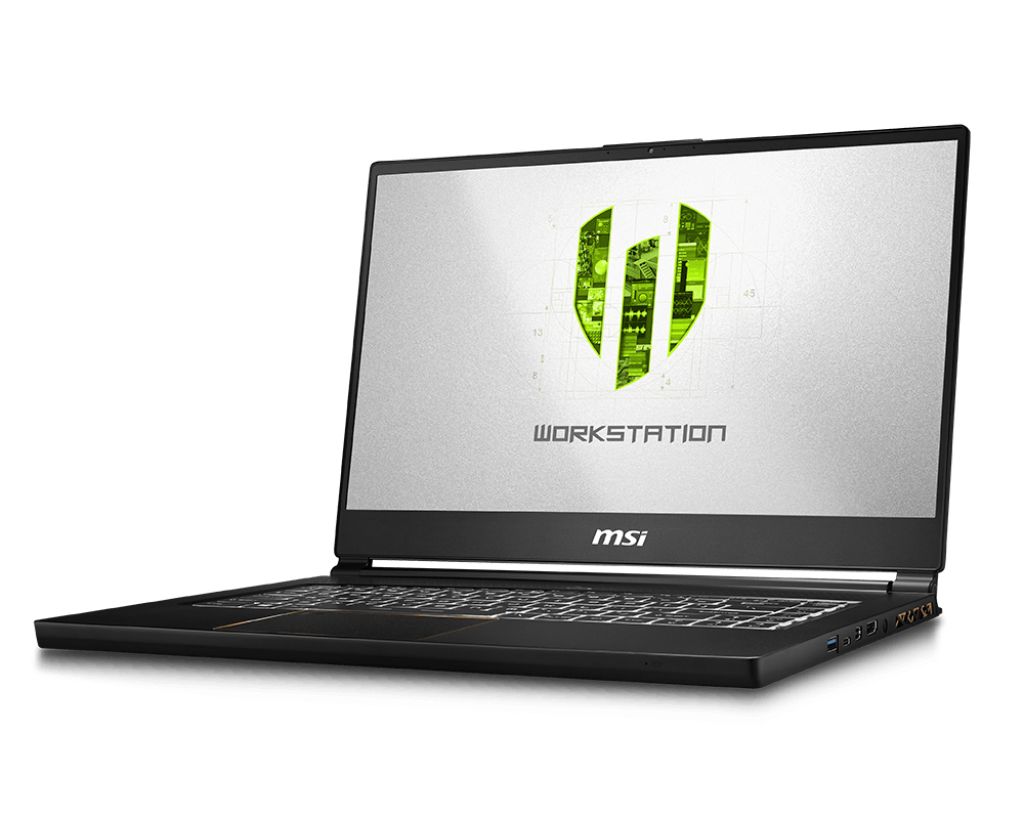
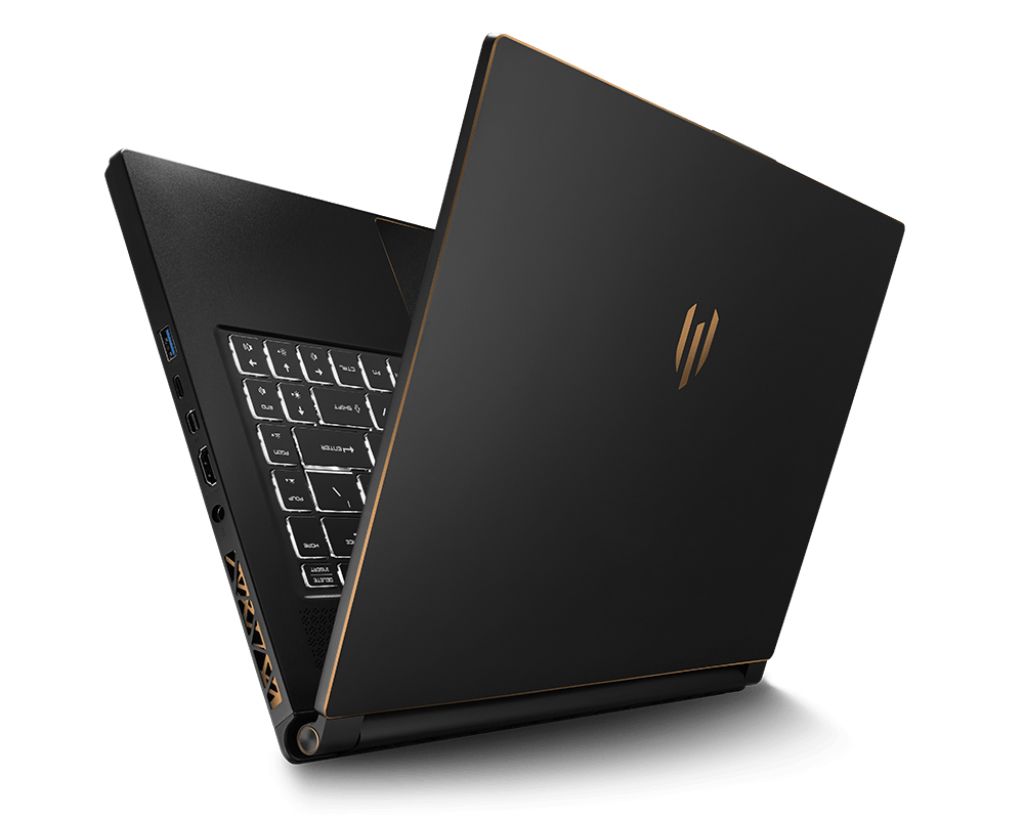
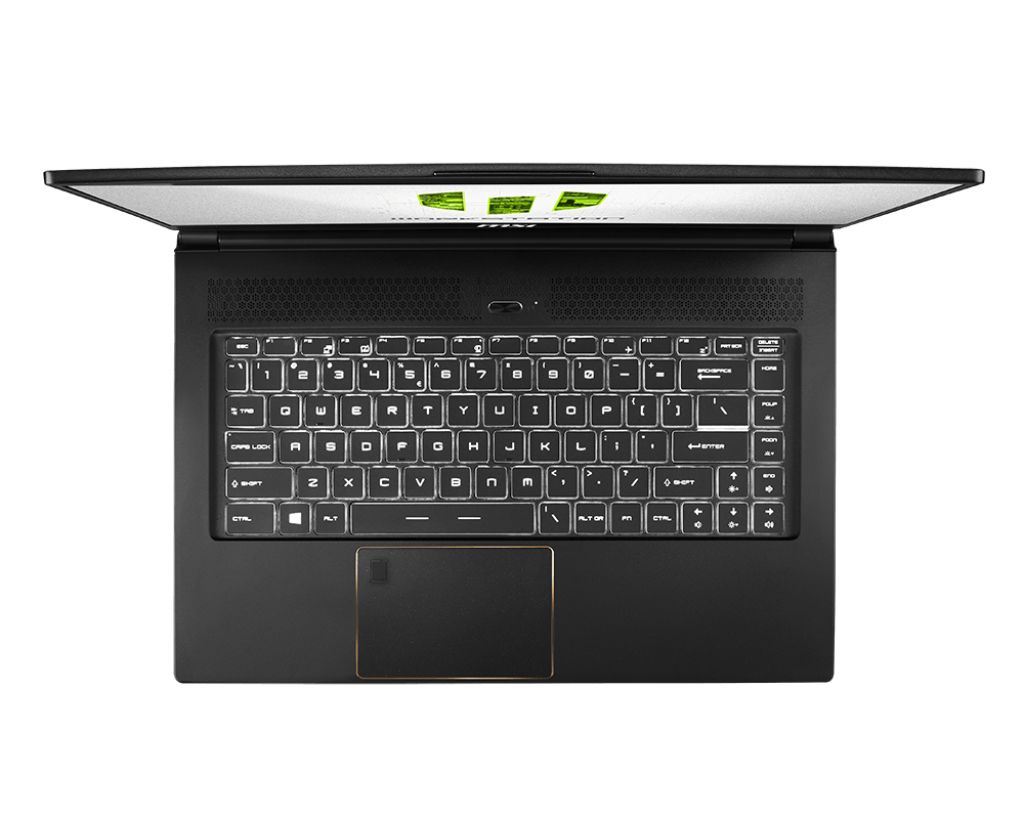
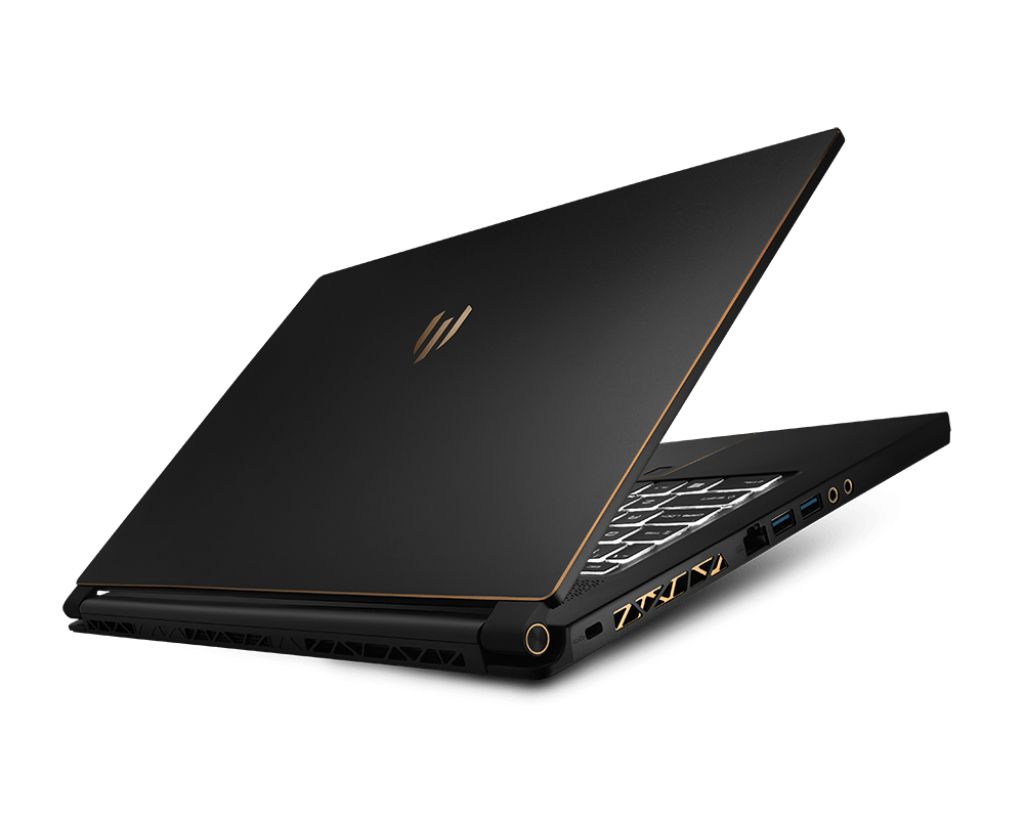
The MSI WS65 8SK-481 workstation series laptop features DDR4-SDRAM memory upgradable through two SO-DIMM slots. Maximum RAM capacity reaches 64 GB total, with compatible memory operating at 2666 MHz frequency. Upgrade specifications enable users to expand the existing memory configuration by installing additional SO-DIMM modules into available slots, subject to the laptop's maximum capacity specifications.
Memory Upgrade Specifications
| Specification | Value |
|---|---|
| Memory slots | 2x SO-DIMM |
| Form factor | SO-DIMM |
| Memory type | DDR4-SDRAM |
| Frequency | 2666 MHz |
| Maximum RAM | 64 GB |
| Voltage | 1.2V |
| Number of pins | 260-pin |
| Interface | PC4 |
| PC Speed Rating | PC4-2666 (PC4-21328) |
| Bandwidth | 21.3 GB/s |
| Laptop Release date | 11 October 2018 |
Additional Notes
- The 2x SO-DIMM configuration enforces a maximum practical capacity of 64 GB, achievable only with 32 GB modules per slot, which carry significant cost premiums and limited availability in the DDR4 market.
- SO-DIMM modules operate at reduced signal integrity due to shorter trace paths compared to standard DIMM, limiting frequency scaling; 2666 MHz represents the thermal and electrical ceiling for this form factor in this generation.
- The workstation classification indicates ECC memory support is likely available, though not mandatory; non-ECC DDR4-2666 SO-DIMM modules are cheaper but lack error correction capabilities critical for extended render jobs or data-intensive workflows.
- Dual-slot architecture creates a single point of failure; loss of one SO-DIMM module reduces total capacity to half the installed amount, unlike multi-slot designs that degrade more gracefully.
- The 2666 MHz specification predates DDR4-3200 standardization; pairing this system with newer 3200 MHz SO-DIMM modules will force frequency downclocking to 2666 MHz, negating any performance gain from higher-frequency modules.
- SO-DIMM modules generate higher thermal density per unit volume than standard DIMM; passive cooling in the laptop chassis may limit sustained bandwidth utilization during continuous data transfers on fully-populated slots.
- Factory-installed memory configuration cannot be determined from specifications; the existing memory footprint (populated slots, current capacity) affects upgrade strategy and potential compatibility with mixed-generation DDR4 modules.