MSI Workstation WS65 9TM-1498 RAM upgrade specifications



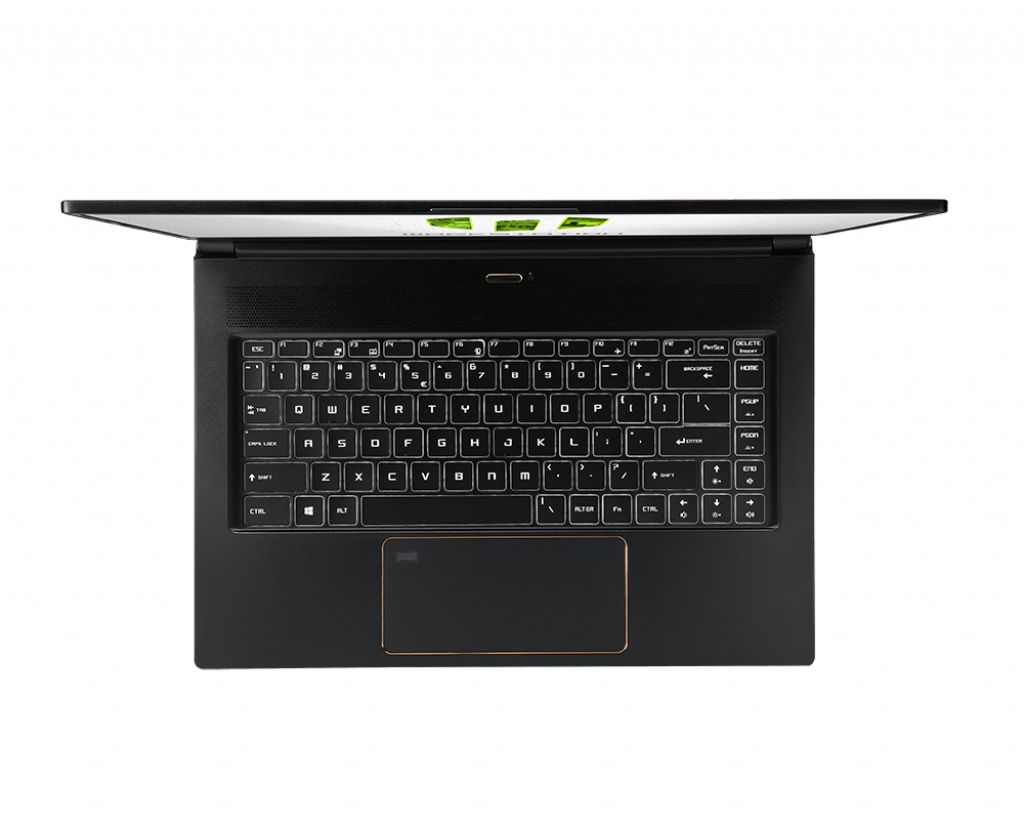

MSI WS65 9TM-1498 workstation features two SO-DIMM slots supporting DDR4-SDRAM memory upgrade specifications. Maximum RAM capacity reaches 64 GB total, with compatible modules operating at 2666 MHz frequency. Memory upgrade specifications indicate SO-DIMM form factor compatibility. Current memory configuration supports expansion to maximum specifications through available upgrade slots.
Memory Upgrade Specifications
| Specification | Value |
|---|---|
| Memory slots | 2x SO-DIMM |
| Form factor | SO-DIMM |
| Memory type | DDR4-SDRAM |
| Frequency | 2666 MHz |
| Maximum RAM | 64 GB |
| Voltage | 1.2V |
| Number of pins | 260-pin |
| Interface | PC4 |
| PC Speed Rating | PC4-2666 (PC4-21328) |
| Bandwidth | 21.3 GB/s |
| Laptop Release date | 31 October 2019 |
Additional Notes
- The MSI WS65 9TM-1498 contains 2 SO-DIMM slots that operate at 2666 MHz, establishing a dual-channel architecture that distributes memory bandwidth evenly across both slots for optimal performance.
- Maximum addressable memory of 64 GB requires both SO-DIMM slots to be populated with 32 GB modules; single-slot population will constrain bandwidth utilization and reduce multi-threaded workload efficiency.
- DDR4-2666 MHz specification indicates this workstation predates DDR4-3200 standardization; upgrading to faster DDR4 modules (3200 MHz or higher) will operate at reduced 2666 MHz speeds due to memory controller firmware limits, negating speed advantages without performance benefit.
- SO-DIMM form factor requires laptop-specific memory modules rather than standard desktop DIMM modules; desktop memory is physically incompatible with the SO-DIMM slots and cannot be force-fitted without causing damage.
- Warranty considerations restrict upgrade paths to OEM-approved DDR4-2666 SO-DIMM modules from the manufacturer's qualified components list; third-party memory carries risk of voiding coverage on the workstation.
- Replacing existing memory modules requires removal of the base panel and disconnection of the battery; this procedure is typically classified as user-serviceable maintenance under workstation warranty terms when performed without device modification.