MSI Workstation WS75 9TL-496 RAM upgrade specifications


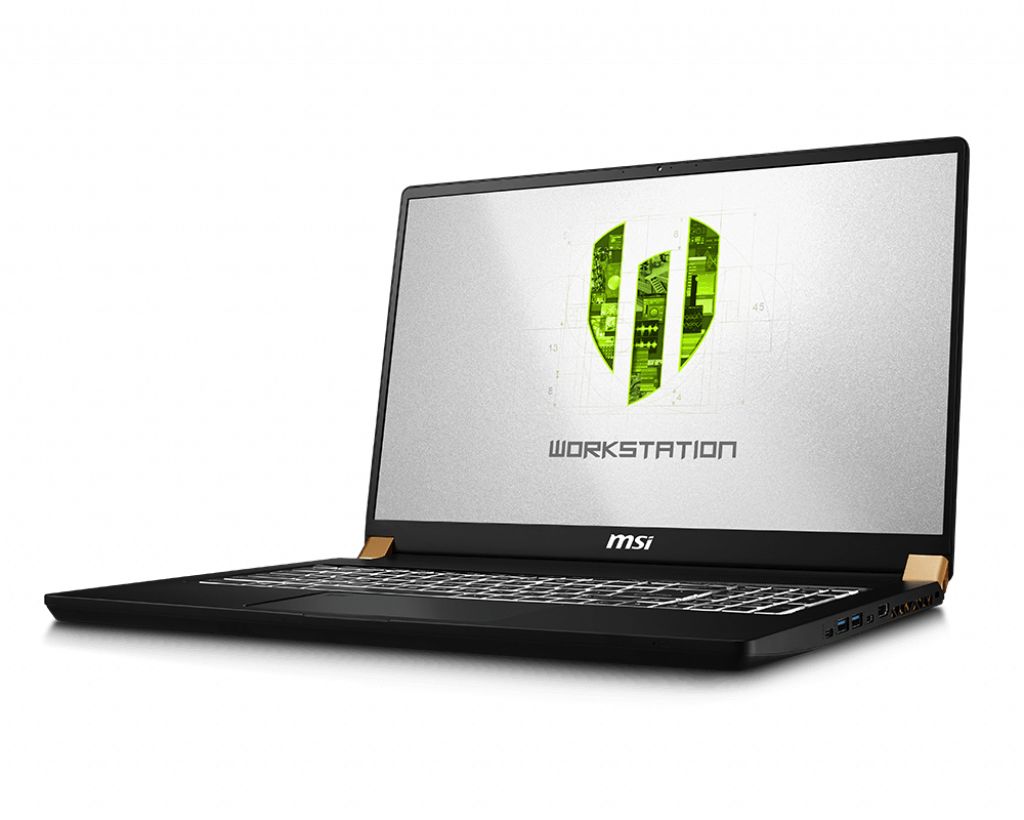

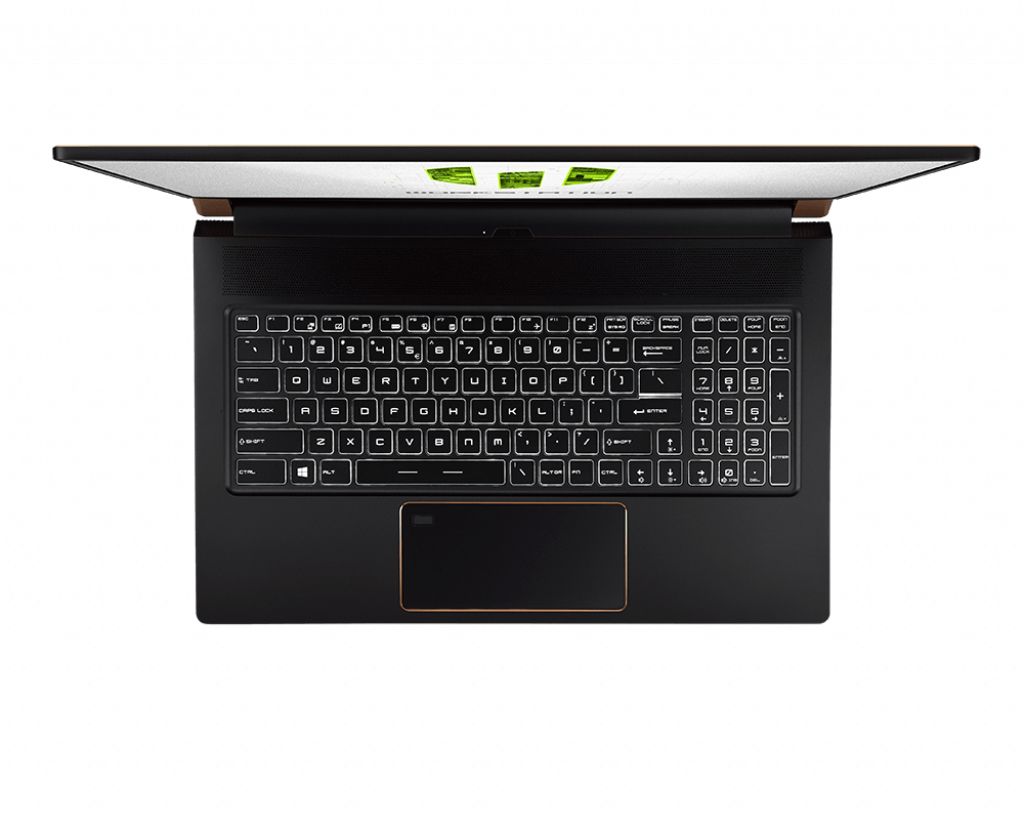
MSI WS75 9TL-496 workstation features dual SO-DIMM slots supporting DDR4-SDRAM memory upgrade specifications. Maximum RAM capacity reaches 64 GB total, with compatible memory operating at 2666 MHz frequency. RAM upgrade slots accommodate SO-DIMM form factor modules. Specifications define upgrade potential for this workstation series model, enabling memory expansion up to maximum capacity through available slot configurations.
Memory Upgrade Specifications
| Specification | Value |
|---|---|
| Memory slots | 2x SO-DIMM |
| Form factor | SO-DIMM |
| Memory type | DDR4-SDRAM |
| Frequency | 2666 MHz |
| Maximum RAM | 64 GB |
| Voltage | 1.2V |
| Number of pins | 260-pin |
| Interface | PC4 |
| PC Speed Rating | PC4-2666 (PC4-21328) |
| Bandwidth | 21.3 GB/s |
| Laptop Release date | 27 August 2019 |
Additional Notes
- The 2 SO-DIMM configuration limits expansion to a single replacement cycle, as both slots must be populated with matched modules to reach the 64 GB ceiling.
- DDR4-2666 operates below the bandwidth threshold of newer DDR4-3200 standards, potentially creating bottlenecks in rendering workflows or dataset processing tasks that rely on sustained memory throughput.
- The 64 GB maximum capacity constraint on this MSI Workstation platform reflects chipset-level addressing limitations rather than physical slot availability, preventing higher-density module adoption even as 64 GB SO-DIMMs enter the market.
- Installing mismatched frequency modules will force all DIMMs to downclock to the lowest common speed, negating any performance advantage from higher-spec RAM and potentially reducing system stability under sustained loads.
- Non-ECC DDR4 compatibility in consumer workstation architectures means this platform trades error-correction capabilities for cost efficiency, a factor relevant to mission-critical computational tasks where data integrity carries premium weight.
- Dual-channel SO-DIMM architecture requires symmetric population across both slots to maintain bandwidth parity, making single-slot upgrades functionally inefficient for memory-intensive applications.
- Thermal constraints in slim workstation chassis may throttle sustained memory performance if modules lack integrated heat spreaders, particularly during prolonged batch processing or simulation runs.
- Third-party RAM installations typically preserve manufacturer warranties provided voltage specifications remain within JEDEC-standard 1.2V parameters, though vendor-specific validation lists offer reduced troubleshooting risk.
- The SO-DIMM form factor excludes standard DIMM compatibility entirely, necessitating notebook-specific module procurement and eliminating desktop memory reuse opportunities.
- Latency timings beyond CAS 19 at 2666 MHz may introduce perceptible delays in real-time rendering previews or live data visualization tasks, even when total capacity meets application requirements.