MSI Workstation WT75 8SM RAM upgrade specifications
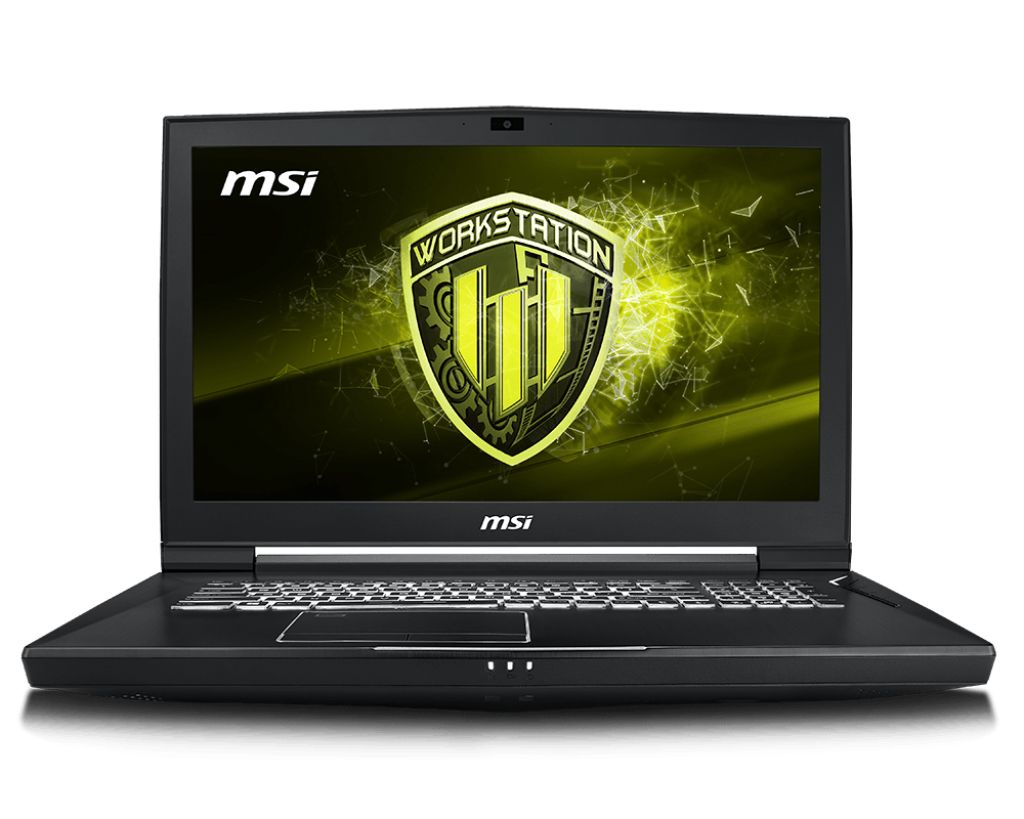
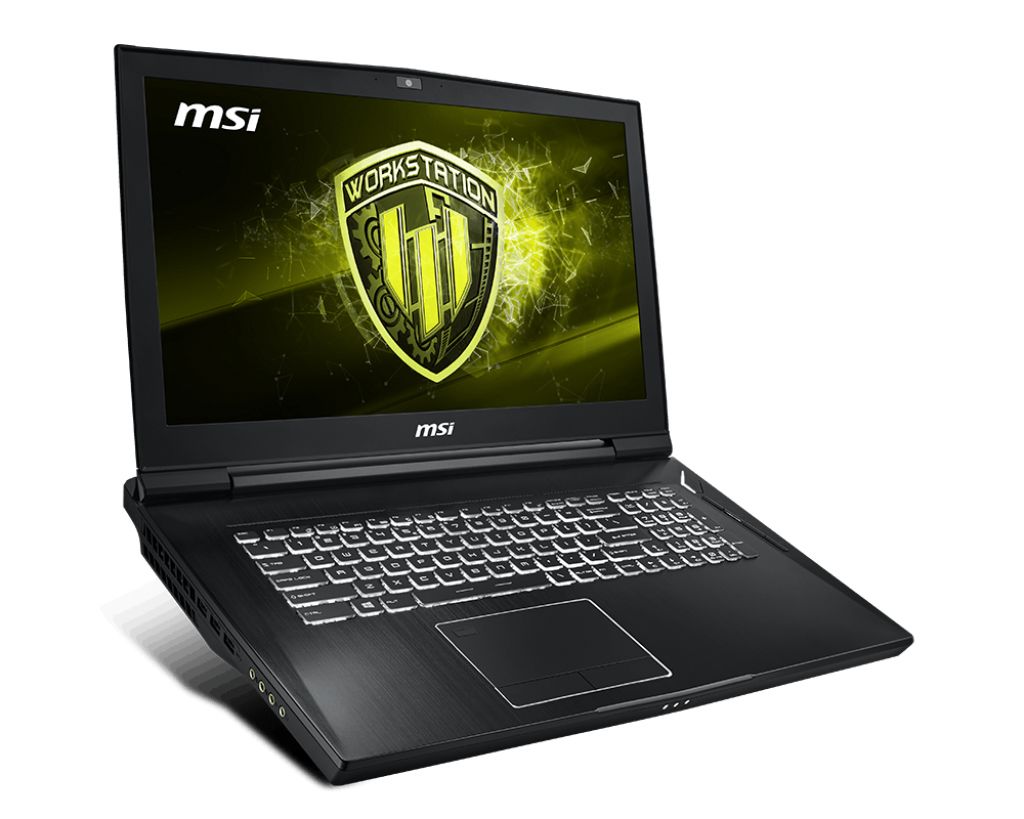
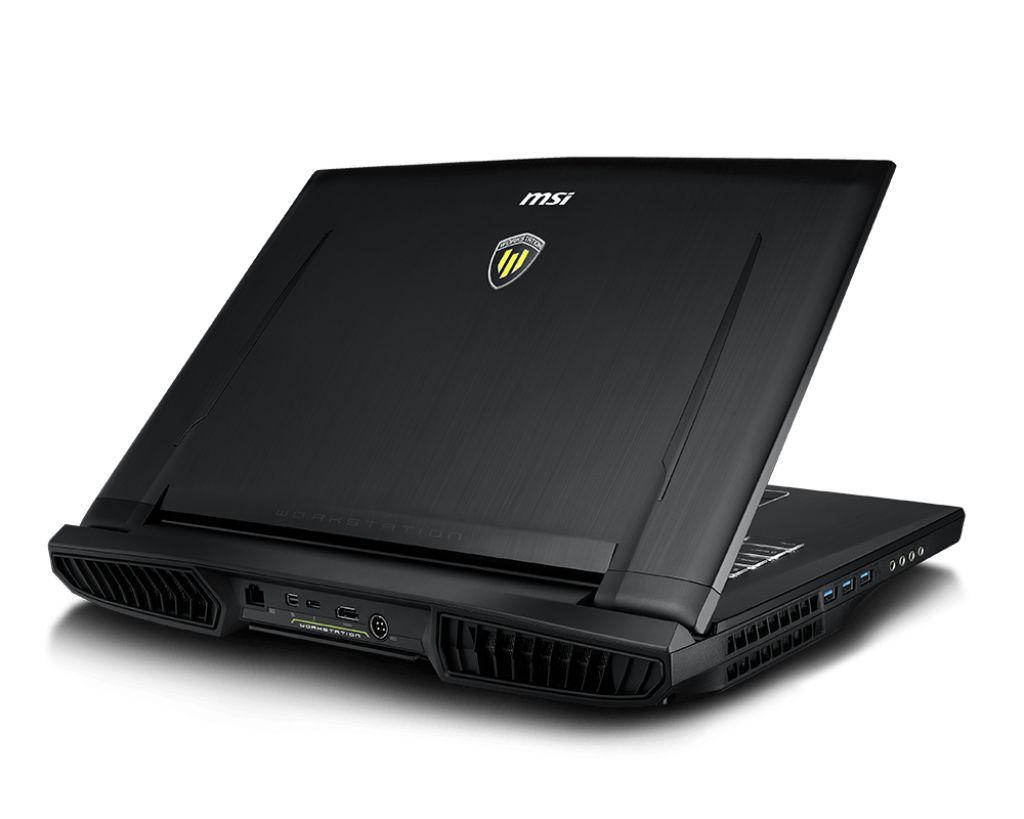
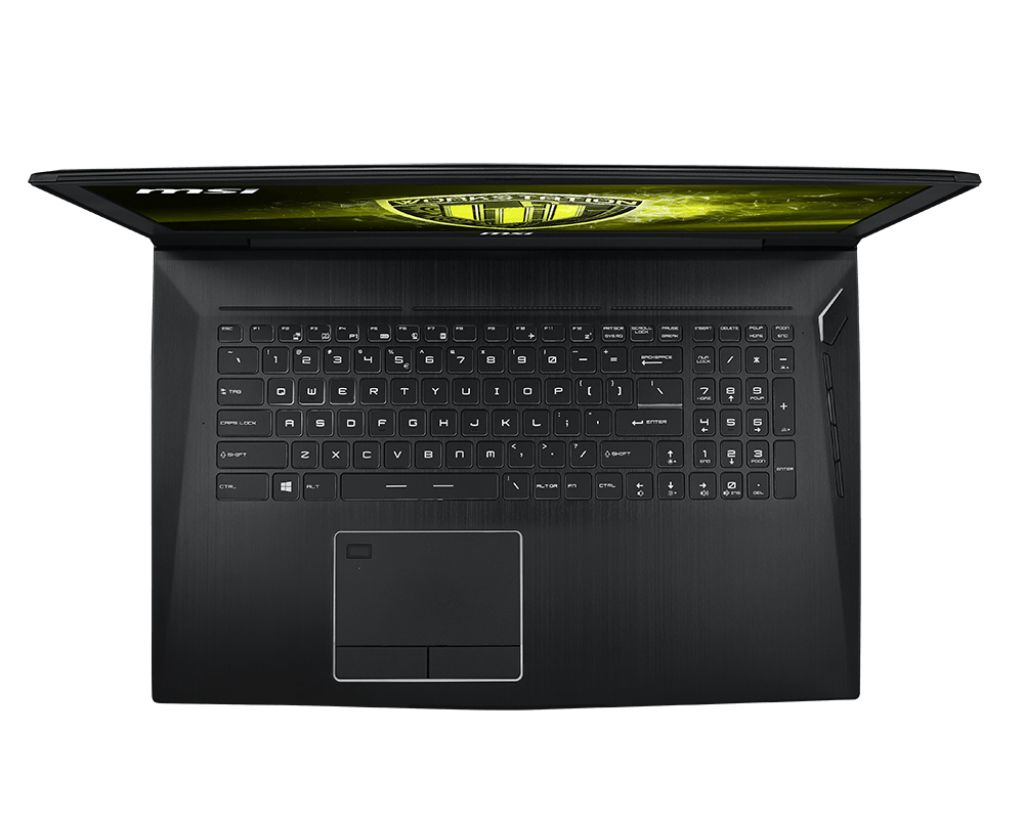
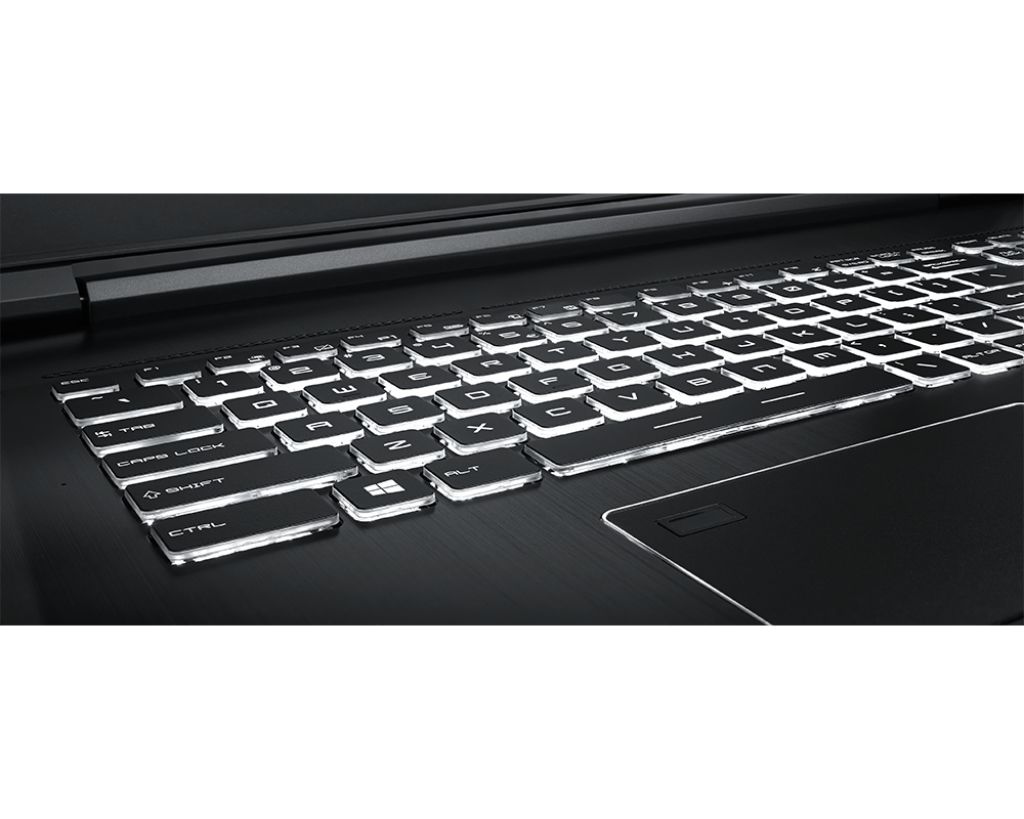
The MSI WT75 8SM workstation features four SO-DIMM memory slots supporting DDR4-SDRAM modules at 2400 MHz frequency. The laptop RAM upgrade specifications indicate a maximum memory capacity of 128 GB. Compatible memory upgrades utilize the SO-DIMM form factor, enabling users to expand the system's installed RAM capacity through the available slot configuration. The WT75 series workstation supports standard DDR4 memory specifications for professional computing applications.
Memory Upgrade Specifications
| Specification | Value |
|---|---|
| Memory slots | 4x SO-DIMM |
| Form factor | SO-DIMM |
| Memory type | DDR4-SDRAM |
| Frequency | 2400 MHz |
| Maximum RAM | 128 GB |
| Voltage | 1.2V |
| Number of pins | 260-pin |
| Interface | PC4 |
| PC Speed Rating | PC4-2400 (PC4-19200) |
| Bandwidth | 19.2 GB/s |
| Laptop Release date | 25 May 2019 |
Additional Notes
- The presence of 4 SO-DIMM slots necessitates a dual-channel configuration across 2 pairs of modules to maintain optimal memory bandwidth and prevent CPU-level data throughput bottlenecks.
- Reaching the maximum 128 GB capacity requires the use of 32 GB high-density modules which may require specific BIOS versions to recognize the increased density per slot.
- The 2400 MHz bus speed acts as a hard limit for memory frequency regardless of higher-rated modules being installed because the motherboard chipset will downclock faster RAM to match the system's native timing constraints.
- Physical access to all memory banks in the MSI WT75 8SM usually involves a tiered layout where 2 slots occupy the underside of the chassis while the remaining 2 are positioned beneath the keyboard assembly.
- Memory latency remains tied to the 2400 MHz cycle rate meaning that upgrades focused on lower CAS latency values provide more measurable performance gains than upgrades focused on raw frequency overhead.
- Mixing modules of different capacities or ranks across the 4 slots can disable symmetrical dual-channel operation and force the system into a slower flex-mode configuration.
- The workstation-grade architecture typically supports ECC or non-ECC variations depending on the specific processor paired with the motherboard but these two types cannot operate simultaneously within the same system.