MSI Workstation WT75 8SM-013ES RAM upgrade specifications
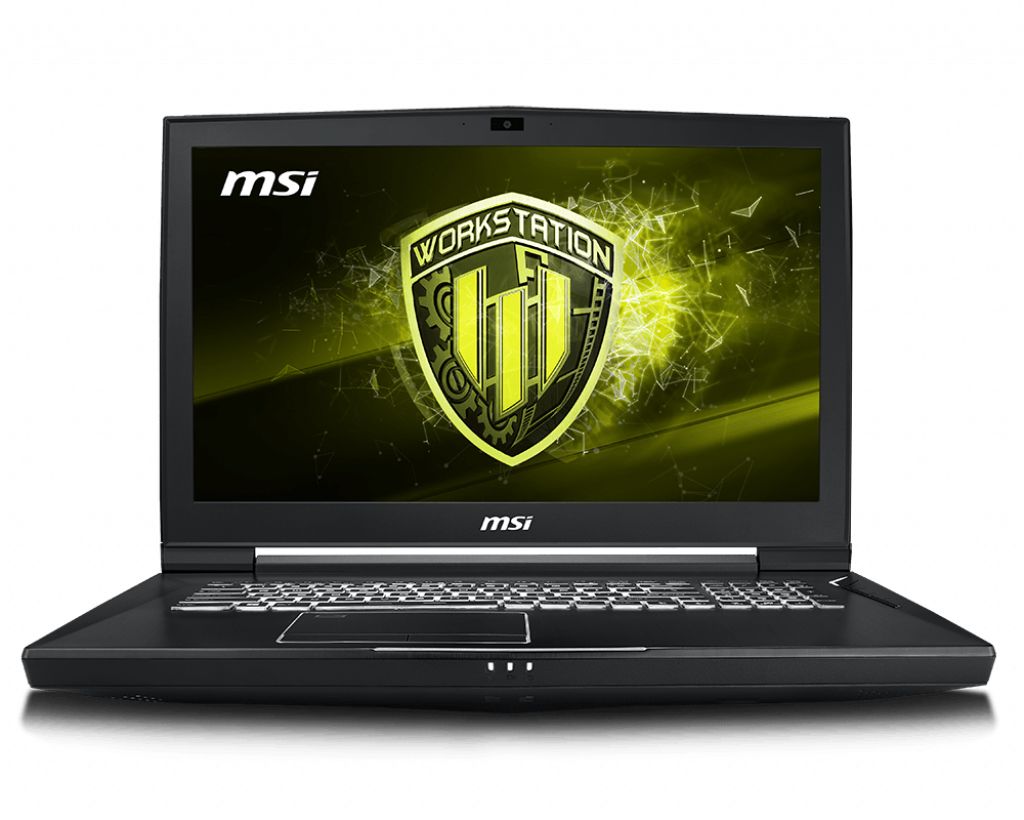
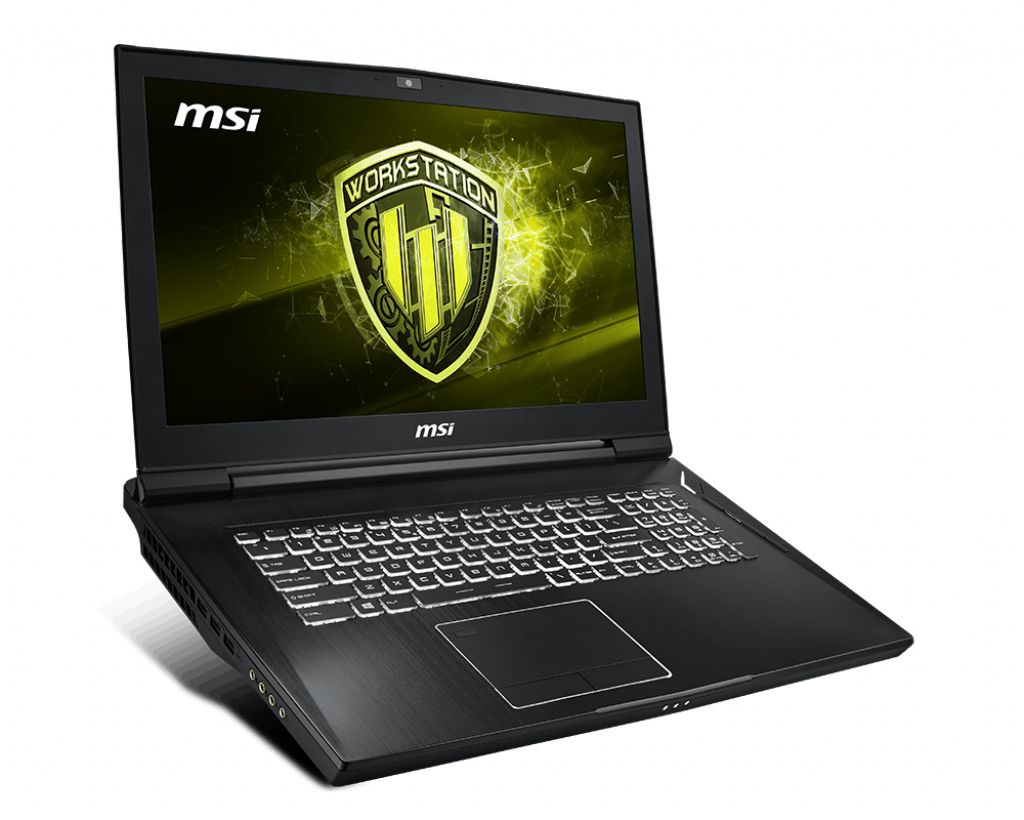

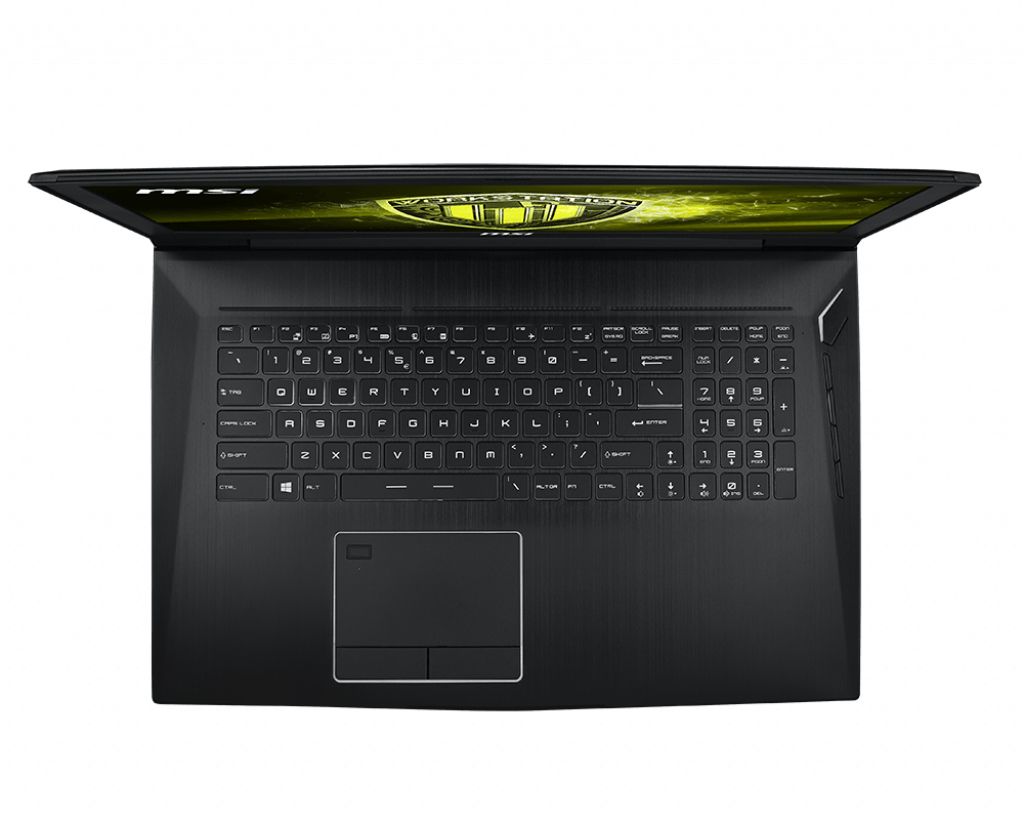
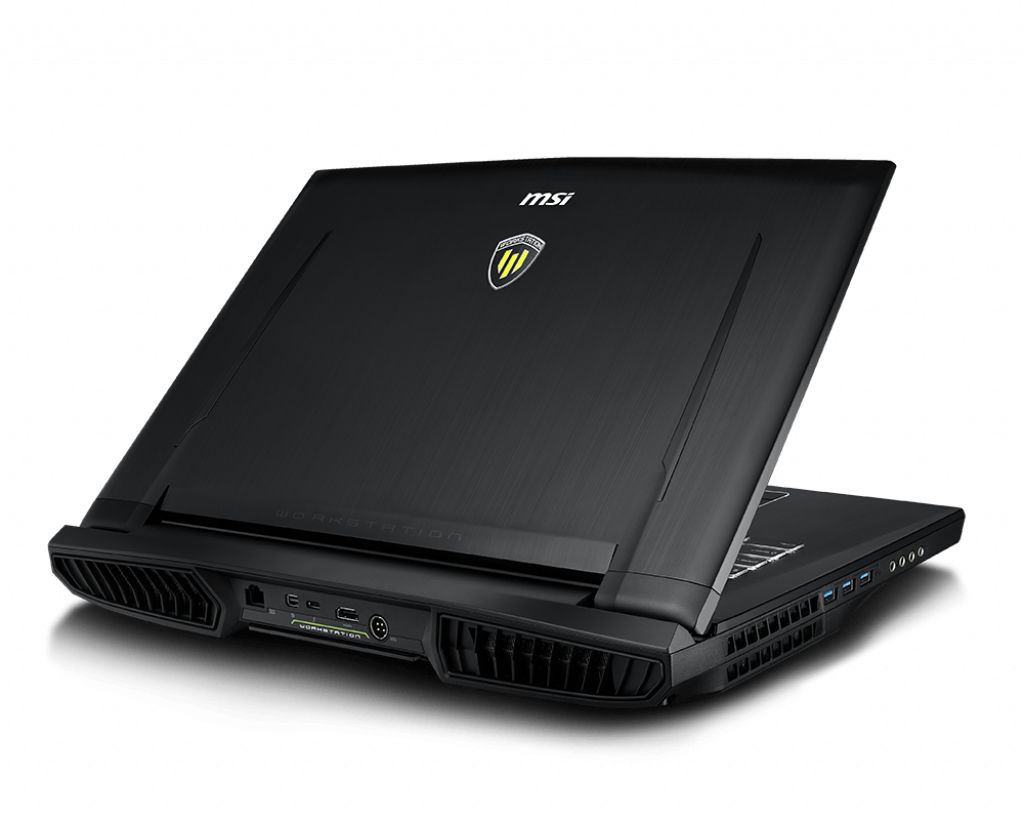
The MSI WT75 8SM-013ES workstation features DDR4-SDRAM memory with four SO-DIMM slots for RAM upgrades. This workstation series supports maximum memory capacity of 128 GB. The compatible memory specifications include DDR4 modules operating at 2400 MHz frequency. The SO-DIMM form factor indicates laptop-grade memory modules. Upgrade specifications are compatible with the WT75 family workstation platform, allowing users to expand memory capacity by replacing or adding DDR4-SDRAM modules in the available slots to reach the maximum supported capacity.
Memory Upgrade Specifications
| Specification | Value |
|---|---|
| Memory slots | 4x SO-DIMM |
| Form factor | SO-DIMM |
| Memory type | DDR4-SDRAM |
| Frequency | 2400 MHz |
| Maximum RAM | 128 GB |
| Voltage | 1.2V |
| Number of pins | 260-pin |
| Interface | PC4 |
| PC Speed Rating | PC4-2400 (PC4-19200) |
| Bandwidth | 19.2 GB/s |
| Laptop Release date | 30 June 2018 |
Additional Notes
- The 2400 MHz frequency specification indicates Coffee Lake-era memory controller limitations that prevent faster DDR4 modules from running at their rated XMP speeds.
- SO-DIMM modules exceeding the native 2400 MHz speed will downclock automatically to match the MSI WT75 8SM-013ES controller capabilities, potentially wasting the premium paid for higher-speed memory.
- Four physical slots enable quad-channel memory architecture when all slots are populated, delivering higher aggregate bandwidth than dual-channel configurations found in consumer laptops.
- The 128 GB ceiling requires four 32 GB modules, which limits future expansion headroom once maximum capacity is reached.
- DDR4 voltage compatibility remains fixed at 1.2V standard specification, excluding low-voltage DDR4L modules that could otherwise reduce power consumption.
- Workstation-grade chassis typically requires bottom panel removal to access memory slots, though this operation generally preserves warranty coverage unlike ultrabook designs with soldered memory.
- Mixing module densities across the four slots remains electrically feasible but may disable quad-channel operation, reverting to dual-channel mode with corresponding bandwidth reduction.
- Non-ECC unbuffered modules represent the only compatible topology, as registered or ECC memory types require Xeon-class mobile processors absent from this configuration.
- Thermal envelope inside mobile workstation chassis may throttle sustained memory-intensive workloads despite adequate module specifications, particularly when all slots contain high-density modules.
- The SO-DIMM form factor measures 67.6 mm in length compared to standard DIMM modules, preventing desktop memory reuse even when electrical specifications match.