MSI Workstation WT75 9SK-097ES RAM upgrade specifications
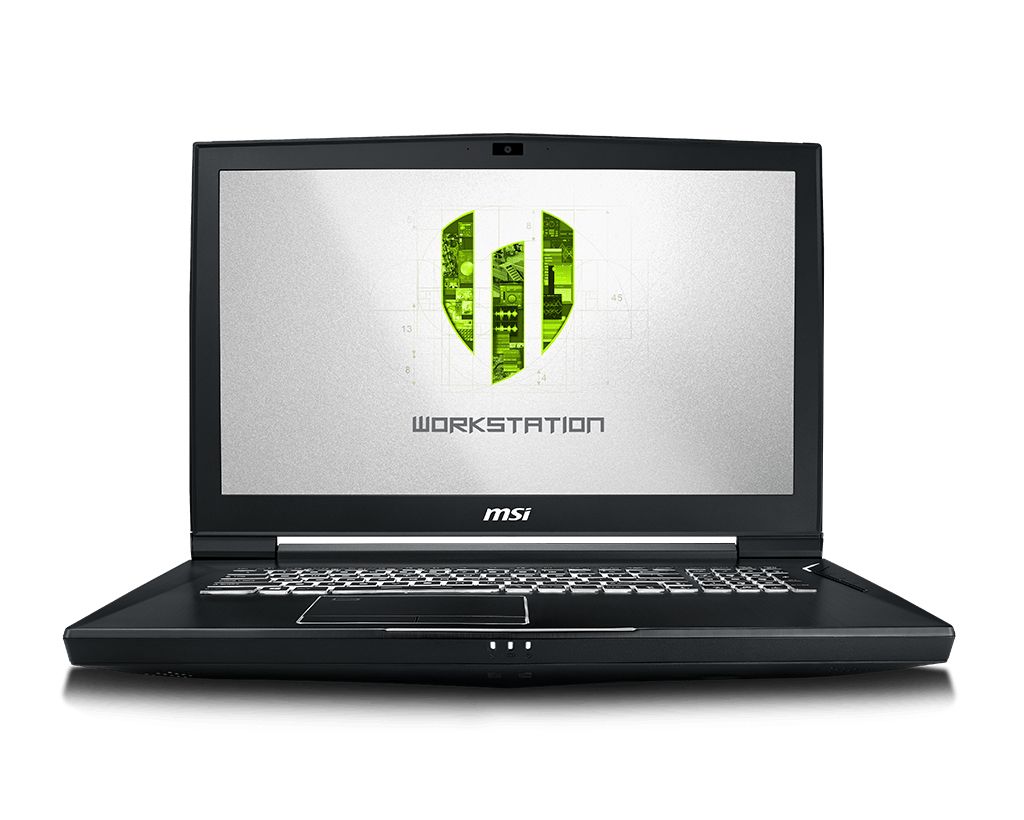
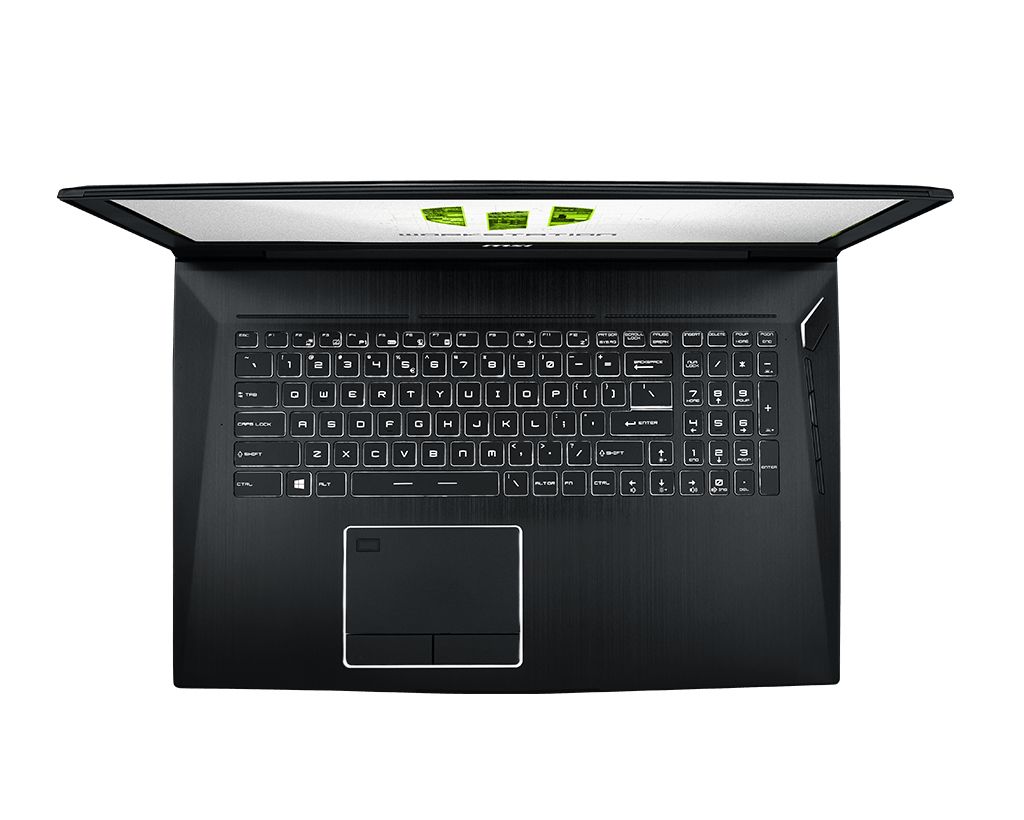
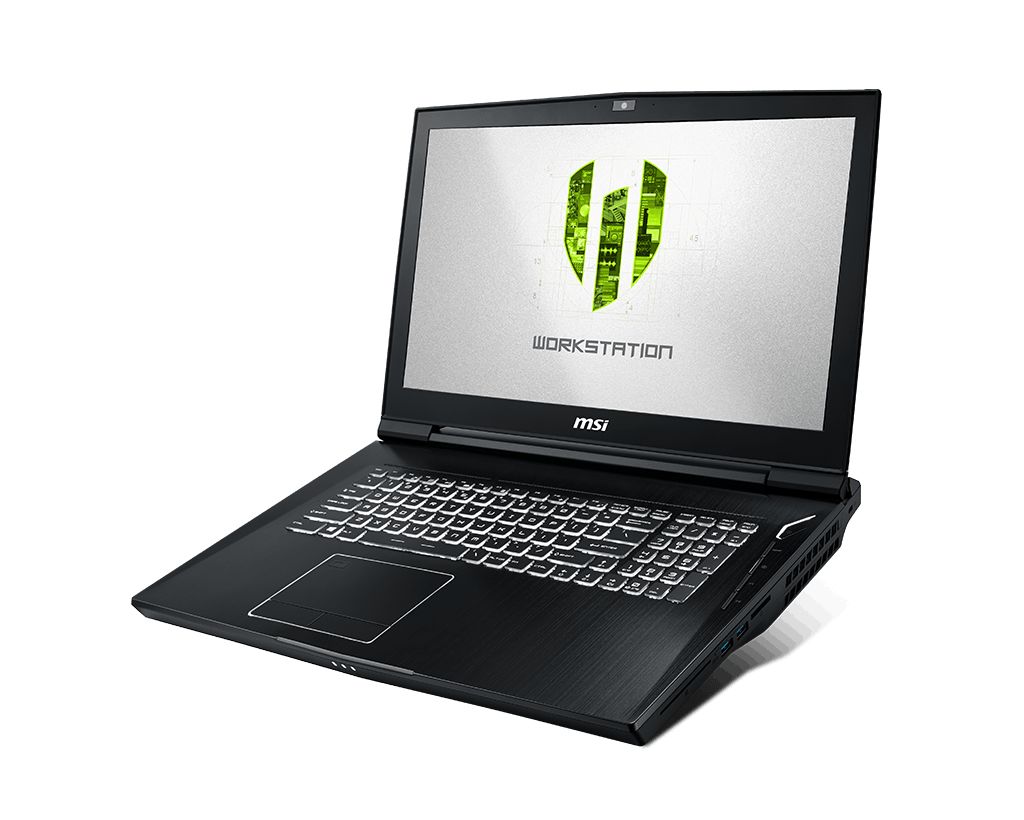
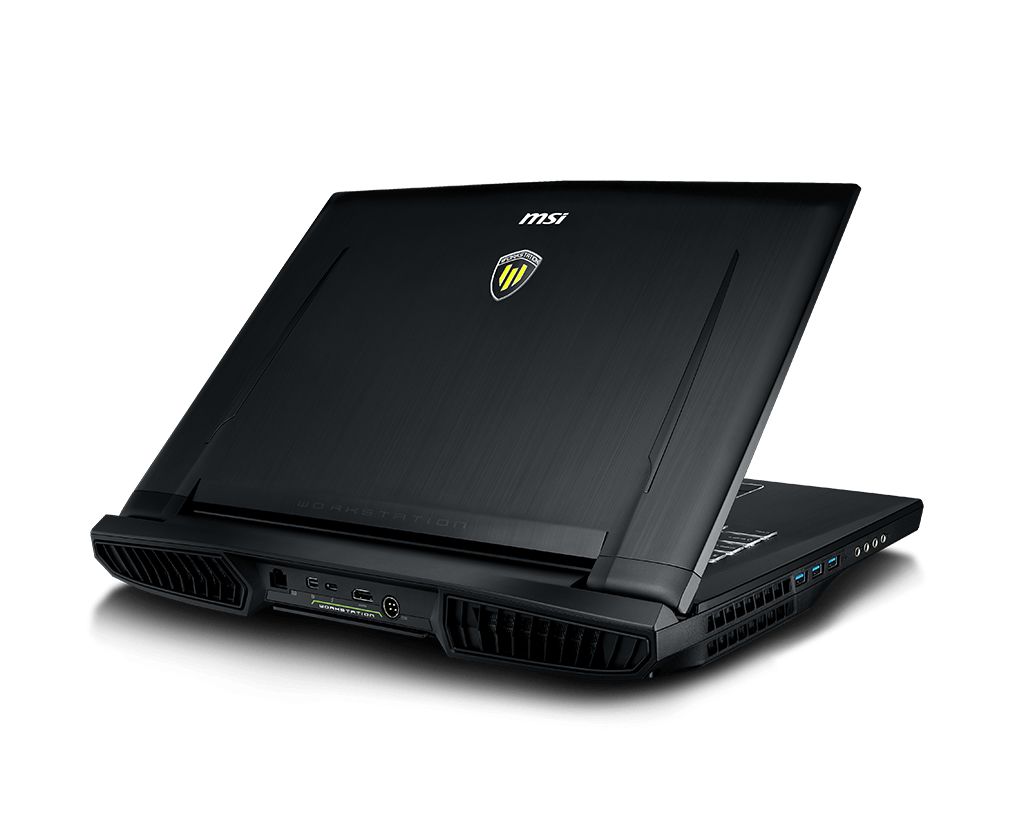
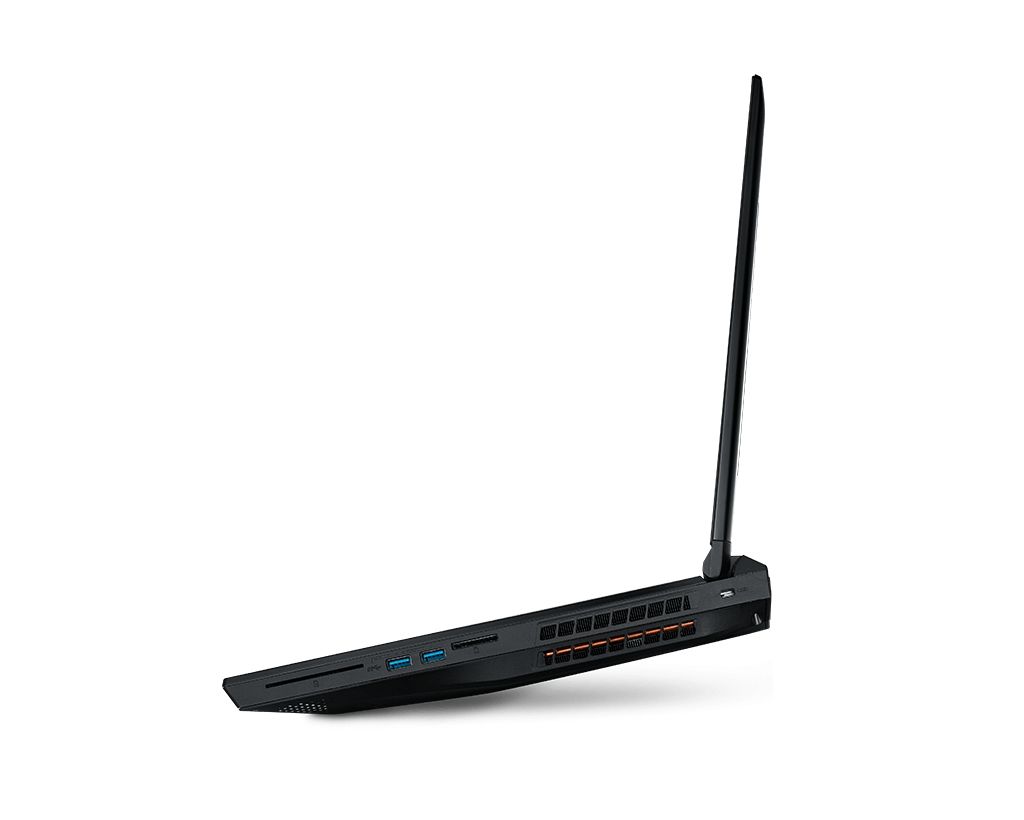
The MSI WT75 9SK-097ES workstation features four SO-DIMM memory slots supporting DDR4-SDRAM upgrades at 2400 MHz frequency. Maximum RAM capacity reaches 128 GB for this workstation series model. The upgrade specifications indicate compatibility with SO-DIMM form factor modules, enabling memory expansion from the factory configuration. The WT75 9SK-097ES supports DDR4 memory technology across all four slots, providing significant upgrade potential for demanding workstation applications.
Memory Upgrade Specifications
| Specification | Value |
|---|---|
| Memory slots | 4x SO-DIMM |
| Form factor | SO-DIMM |
| Memory type | DDR4-SDRAM |
| Frequency | 2400 MHz |
| Maximum RAM | 128 GB |
| Voltage | 1.2V |
| Number of pins | 260-pin |
| Interface | PC4 |
| PC Speed Rating | PC4-2400 (PC4-19200) |
| Bandwidth | 19.2 GB/s |
| Laptop Release date | 19 June 2019 |
Additional Notes
- The MSI WT75 9SK-097ES supports DDR4 memory at 2400 MHz, which represents the baseline JEDEC standard for 9th-generation Intel Xeon processors; faster frequencies (2666 MHz or 2933 MHz) will operate at 2400 MHz due to memory controller limitations in this generation.
- Four SO-DIMM slots enable maximum capacity of 128 GB, achievable only with 32 GB modules; upgrading beyond the factory configuration requires matching existing DIMM specifications (density, frequency, timing) to avoid performance degradation or POST failures.
- SO-DIMM form factor restricts upgrade options to laptop-compatible modules; standard desktop DDR4-DIMM modules are physically incompatible and cannot be installed regardless of electrical compatibility.
- The 128 GB ceiling implies a practical single-channel bandwidth limitation of approximately 19.2 GB/s at rated frequency; workloads with memory-intensive operations (rendering, simulation, data processing) will experience bandwidth constraints identical to dual-channel desktop configurations operating at equivalent speeds.
- Mixing memory capacities across 4 slots (e.g., 2x16 GB and 2x8 GB) is technically functional but disables memory interleaving, reducing effective bandwidth by up to 10-15% compared to symmetric population.
- Warranty coverage for third-party memory upgrades depends on MSI's service policy; component-level replacement typically remains covered, but memory-related failures may be subject to exclusion clauses if non-OEM modules trigger hardware diagnostics.
- The 2400 MHz specification does not support overclocking; memory frequency is hardware-locked on workstation-class systems to ensure deterministic performance in professional applications.