MSI Workstation WT75 9SL-086IT RAM upgrade specifications

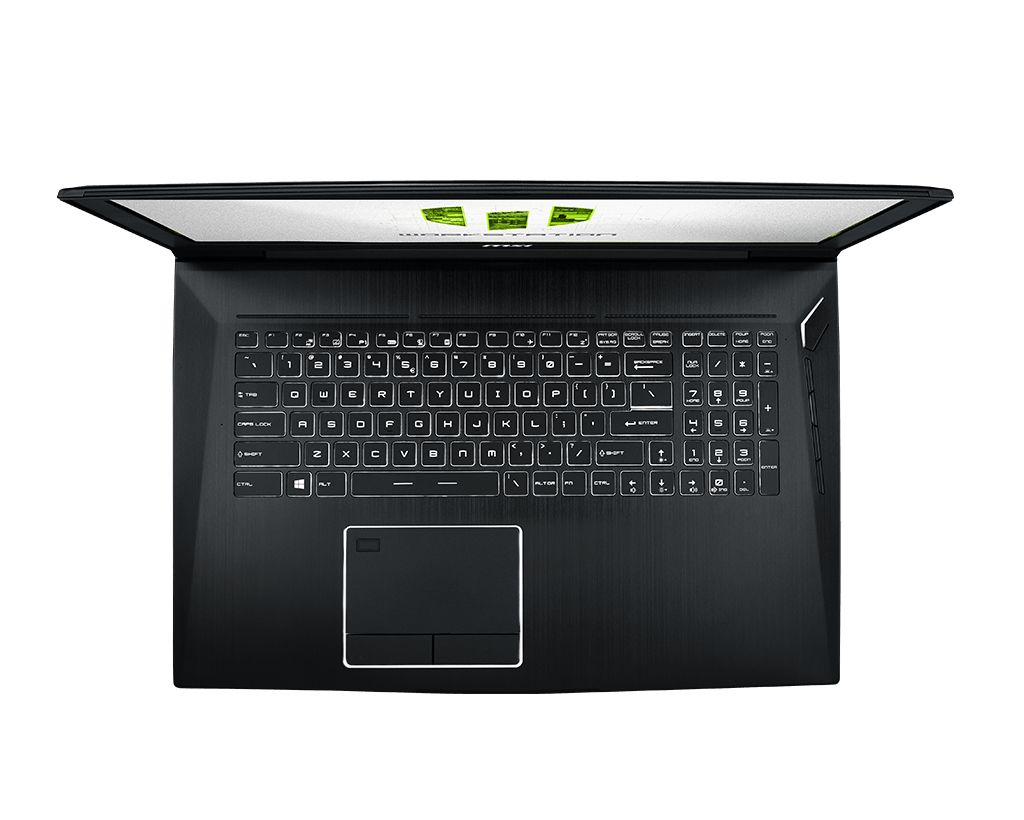

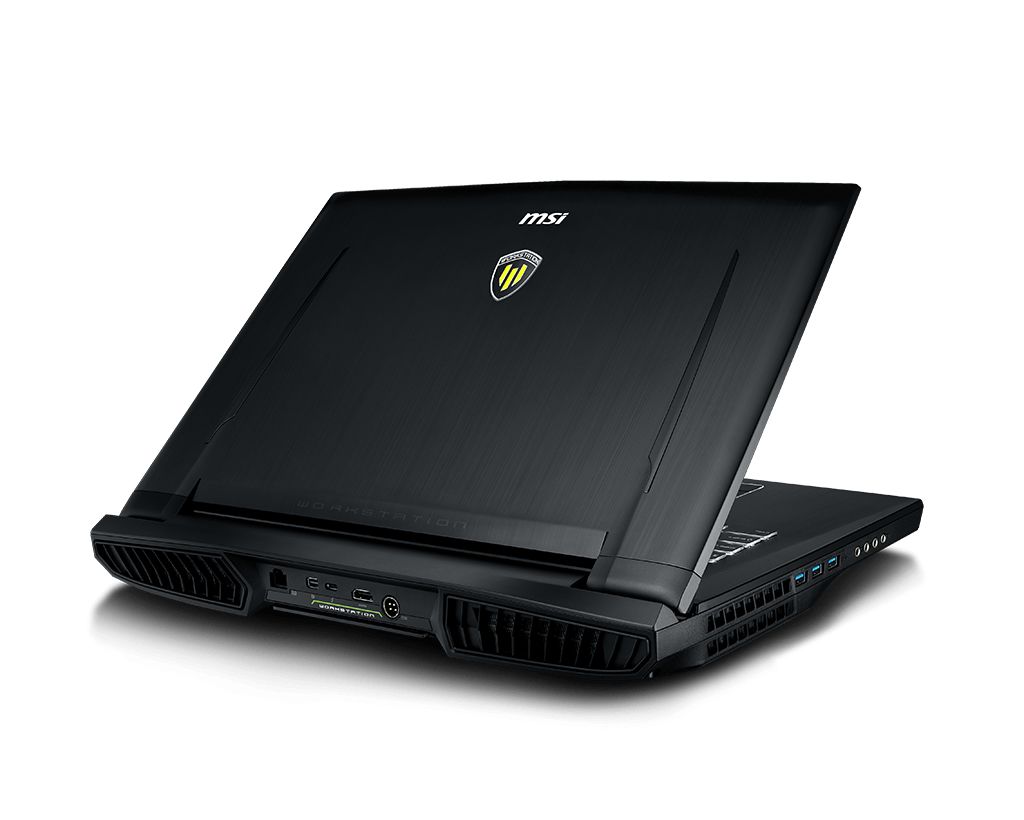
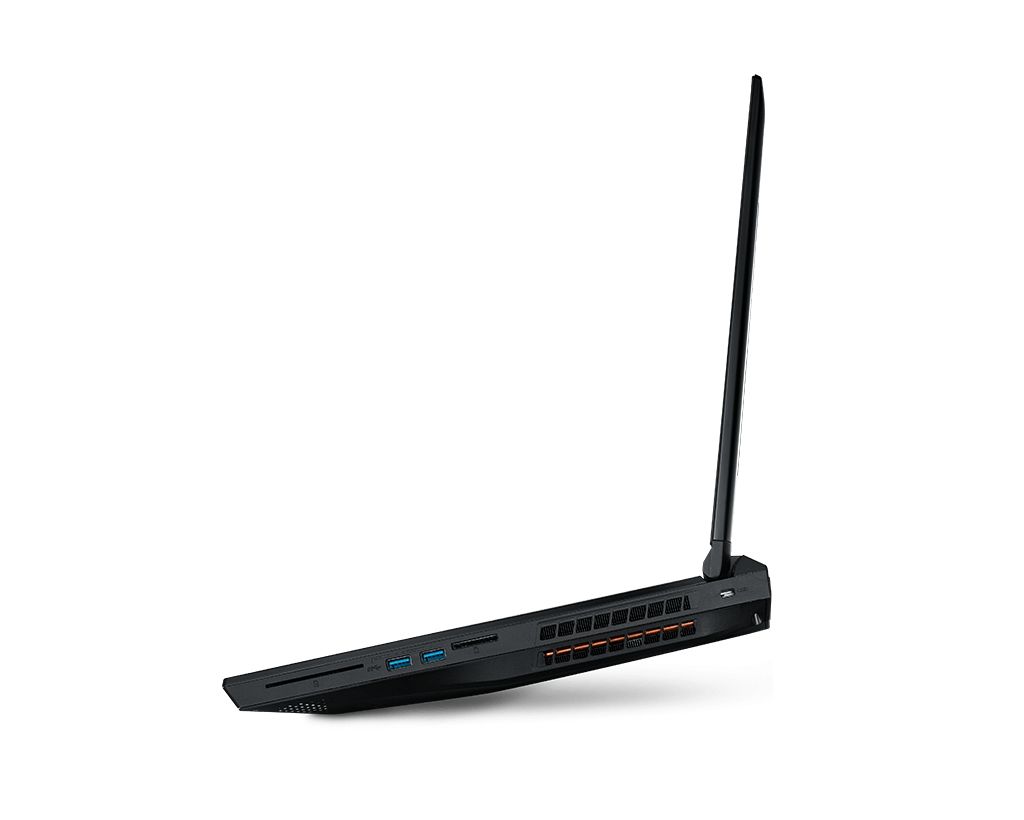
MSI WT75 9SL-086IT workstation memory upgrade specifications indicate DDR4-SDRAM compatibility with 2x SO-DIMM slots. The system supports maximum RAM capacity of 64 GB at 2666 MHz frequency. Compatible memory modules utilize SO-DIMM form factor for this workstation series. Upgrade options allow replacement or addition of memory modules within specified slot configuration and frequency parameters.
Memory Upgrade Specifications
| Specification | Value |
|---|---|
| Memory slots | 2x SO-DIMM |
| Form factor | SO-DIMM |
| Memory type | DDR4-SDRAM |
| Frequency | 2666 MHz |
| Maximum RAM | 64 GB |
| Voltage | 1.2V |
| Number of pins | 260-pin |
| Interface | PC4 |
| PC Speed Rating | PC4-2666 (PC4-21328) |
| Bandwidth | 21.3 GB/s |
| Laptop Release date | 27 August 2019 |
Additional Notes
- The 2666 MHz frequency specification indicates this workstation operates at JEDEC standard DDR4 speeds rather than overclocked XMP profiles, which aligns with Intel mobile chipset specifications for ninth-generation Core processors.
- Desktop-sized DIMM modules are physically incompatible with this configuration, as the SO-DIMM form factor measures 67.6 mm in length compared to standard DIMM's 133.35 mm.
- The 64 GB ceiling represents a 32 GB per slot limitation, requiring matched density modules to achieve stated capacity without triggering asymmetric channel mode.
- Populating both slots enables dual-channel operation, delivering 42.6 GB/s theoretical bandwidth compared to 21.3 GB/s in single-channel configuration.
- Mixing modules with different CAS latencies forces the memory controller to operate all installed RAM at the slowest timing specification present in the configuration.
- The DDR4-SDRAM architecture operates at 1.2 volts nominal, while DDR3 modules at 1.5 volts are electrically incompatible despite potential physical insertion in the slot.
- This MSI WT75 9SL-086IT implementation lacks support for ECC unbuffered SO-DIMMs, as the consumer-oriented chipset does not provide error correction functionality.
- Installing higher-frequency modules rated at 3200 MHz or above results in automatic downclocking to the 2666 MHz controller specification without performance benefit.
- Memory replacement typically requires bottom panel removal on this chassis architecture, which maintains manufacturer warranty coverage when performed without chassis damage.
- Single-rank versus dual-rank module topology affects memory interleaving efficiency, with dual-rank configurations potentially offering marginal performance improvements in bandwidth-intensive workloads.