ACER Aspire A315-57G-7960 RAM upgrade specifications
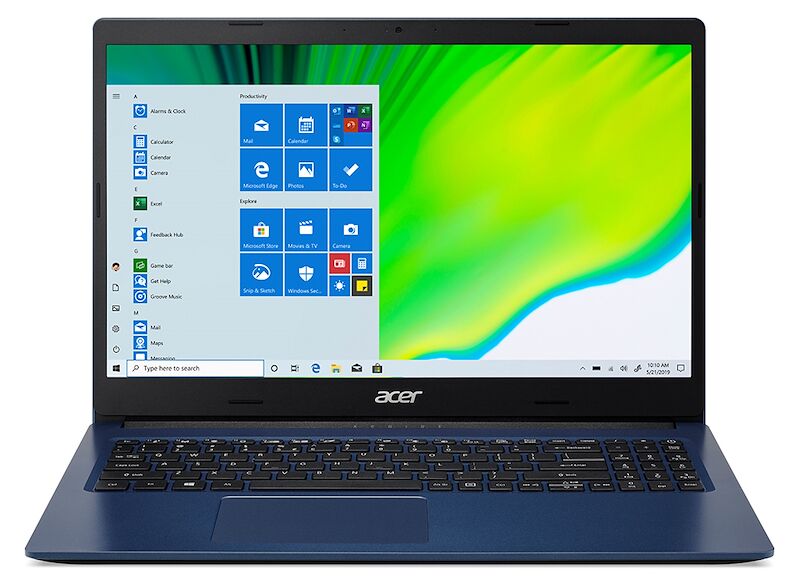
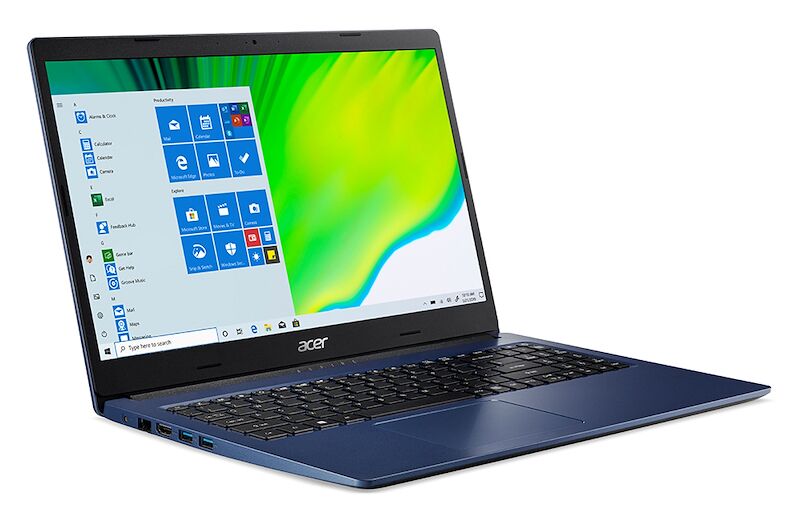
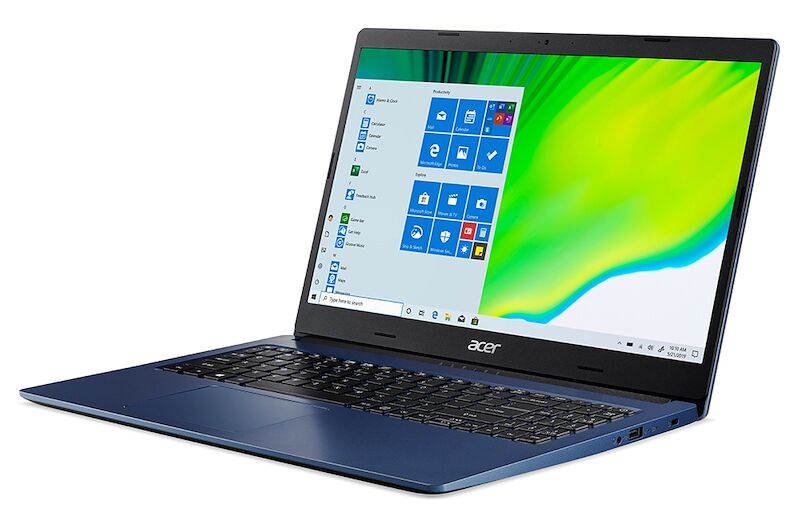
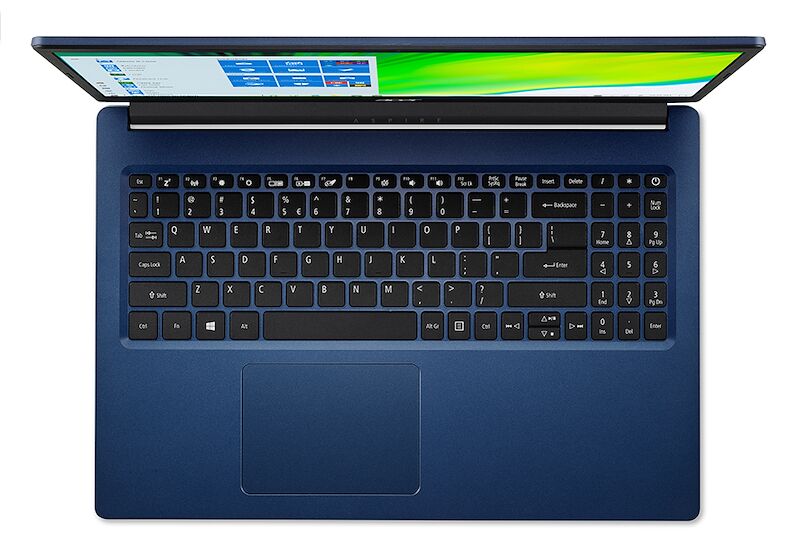
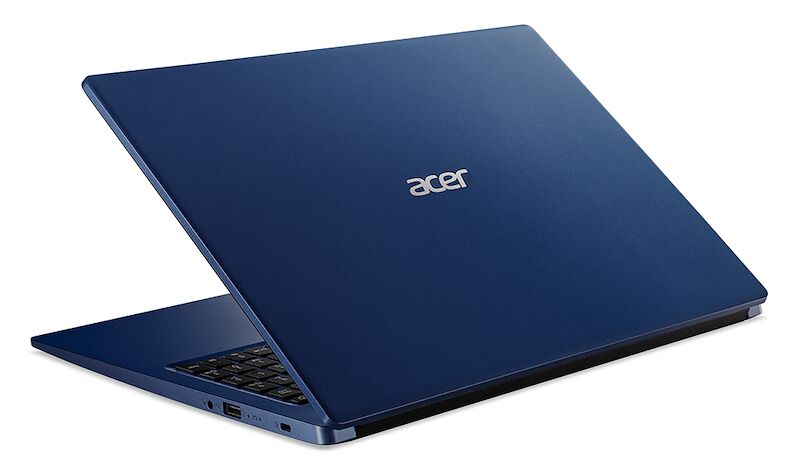
The ACER Aspire 3 series model A315-57G-7960 laptop features one SO-DIMM memory slot for DDR4-SDRAM upgrade compatibility. Maximum RAM capacity reaches 16 GB, with specifications supporting 2133 MHz frequency operation. The upgrade slot accepts standard SO-DIMM form factor modules, enabling memory expansion from the factory configuration. Compatible DDR4-SDRAM modules must match the specified frequency and form factor for proper system functionality.
Memory Upgrade Specifications
| Specification | Value |
|---|---|
| Memory slots | 1x SO-DIMM |
| Form factor | SO-DIMM |
| Memory type | DDR4-SDRAM |
| Frequency | 2133 MHz |
| Maximum RAM | 16 GB |
| Voltage | 1.2V |
| Number of pins | 260-pin |
| Interface | PC4 |
| PC Speed Rating | PC4-2133 (PC4-17064) |
| Bandwidth | 17.1 GB/s |
| Laptop Release date | 22 October 2020 |
Additional Notes
- The Acer Aspire A315-57G-7960 utilizes a single memory slot configuration, eliminating dual-channel operation and reducing theoretical memory bandwidth to half of what comparable dual-slot systems achieve.
- Single-slot architecture requires complete module replacement rather than incremental capacity addition, as no secondary slot exists for expansion without removing the existing DIMM.
- DDR4-2133 operates at PC4-17000 specification, delivering 17 GB/s theoretical bandwidth in single-channel mode compared to 34 GB/s available in dual-channel configurations with identical frequency.
- The 16 GB capacity ceiling reflects chipset or BIOS limitations rather than physical module availability, as DDR4 SO-DIMM modules exist in 32 GB densities but remain incompatible with this platform.
- Memory frequency locked at 2133 MHz prevents utilization of higher-rated modules running at their native speeds, though installing DDR4-2400 or DDR4-2666 modules will function through downclocking to the supported specification.
- SO-DIMM form factor requires 260-pin modules measuring 67.6 mm in length, making standard DIMM desktop memory physically incompatible regardless of electrical specifications.
- Single-channel memory architecture creates performance bottlenecks in integrated graphics workloads and bandwidth-intensive applications where memory subsystem throughput directly impacts frame rendering and data processing speeds.
- Warranty preservation typically requires avoiding modifications to soldered components, though SO-DIMM slot access generally constitutes user-serviceable maintenance under standard manufacturer policies.
- Voltage specification defaults to 1.2V for DDR4 standard operation, with low-power DDR4L variants at 1.05V maintaining backward compatibility when system firmware supports automatic voltage detection.
- Upgrading to the maximum supported 16 GB capacity necessitates discarding the factory-installed module entirely, converting the upgrade cost to include both new module acquisition and loss of existing hardware resale value.