ACER Aspire A315-58-504P RAM upgrade specifications




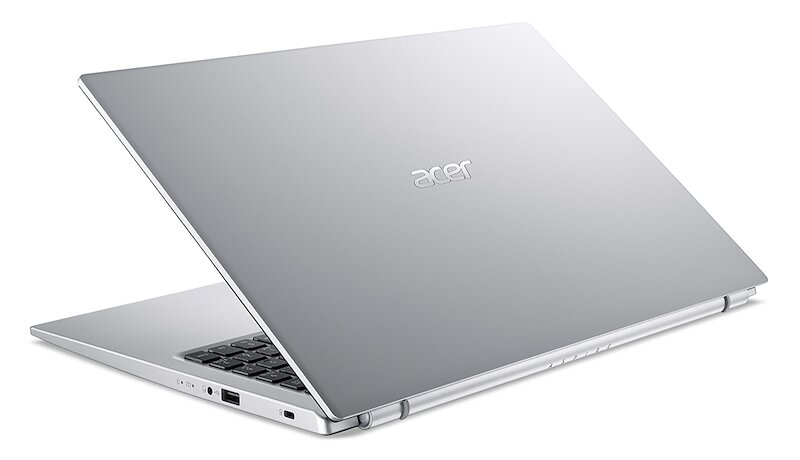
The ACER Aspire 3 series model A315-58-504P supports DDR4-SDRAM memory upgrades with maximum RAM capacity of 12 GB. The laptop features 1x SO-DIMM memory slot for upgrade expansion. Compatible memory modules operate at 2666 MHz frequency and utilize SO-DIMM form factor specifications. Upgrade configurations are available within maximum capacity specifications to enhance system performance and multitasking capabilities.
Memory Upgrade Specifications
| Specification | Value |
|---|---|
| Memory slots | 1x SO-DIMM |
| Form factor | SO-DIMM |
| Memory type | DDR4-SDRAM |
| Frequency | 2666 MHz |
| Maximum RAM | 12 GB |
| Voltage | 1.2V |
| Number of pins | 260-pin |
| Interface | PC4 |
| PC Speed Rating | PC4-2666 (PC4-21328) |
| Bandwidth | 21.3 GB/s |
| Laptop Release date | 28 September 2021 |
Additional Notes
- The Acer Aspire A315-58-504P features a single accessible SO-DIMM slot alongside soldered onboard memory, limiting upgrade flexibility to a one-time expansion rather than full memory replacement.
- The 12 GB maximum capacity indicates 4 GB is permanently soldered to the motherboard, allowing only an 8 GB module addition to reach the system ceiling.
- Installing mismatched module sizes triggers asymmetric dual-channel mode, where only the matched portion operates in dual-channel while excess capacity reverts to slower single-channel operation.
- DDR4-2666 represents the standardized JEDEC profile, but compatibility with DDR4-3200 modules remains possible as they typically downclock to match the chipset's supported frequency.
- The SO-DIMM specification requires 260-pin modules measuring 67.6 mm in length, incompatible with standard 288-pin desktop DIMM modules despite sharing DDR4 technology.
- Memory access through the bottom panel typically preserves manufacturer warranty coverage, unlike modifications requiring keyboard deck removal or display assembly disassembly.
- Operating voltage must remain at the DDR4 standard 1.2V, as low-voltage or overclocking variants risk system instability or POST failures in consumer-grade laptop platforms.
- Single-rank versus dual-rank module architecture affects performance differently when paired with soldered memory, potentially creating rank interleaving complications.
- CAS latency variations within JEDEC-compliant modules produce negligible real-world performance differences in typical productivity workloads, making timing specifications less critical than capacity.
- Temperature constraints in compact laptop chassis favor modules with standard heat spreader profiles over gaming-oriented designs with extended thermal solutions.