ACER Aspire A515-57-51GF RAM upgrade specifications
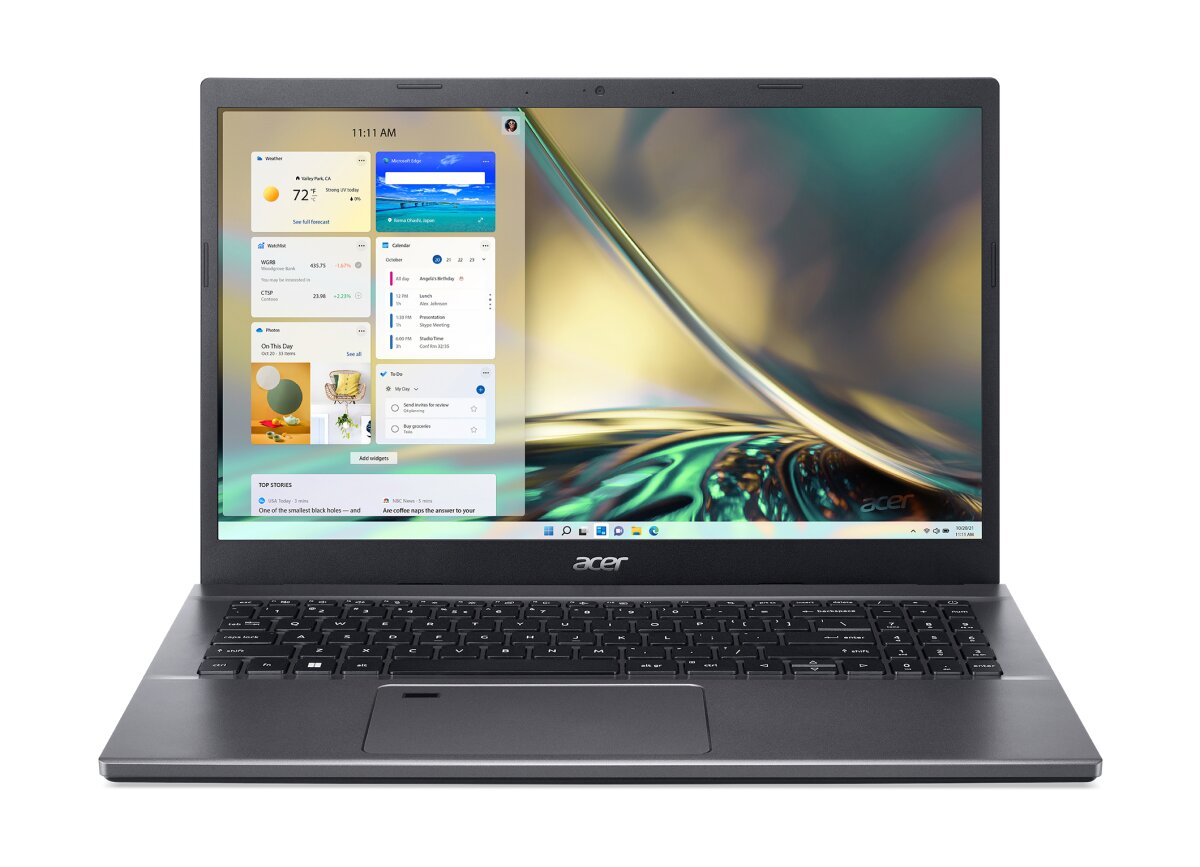

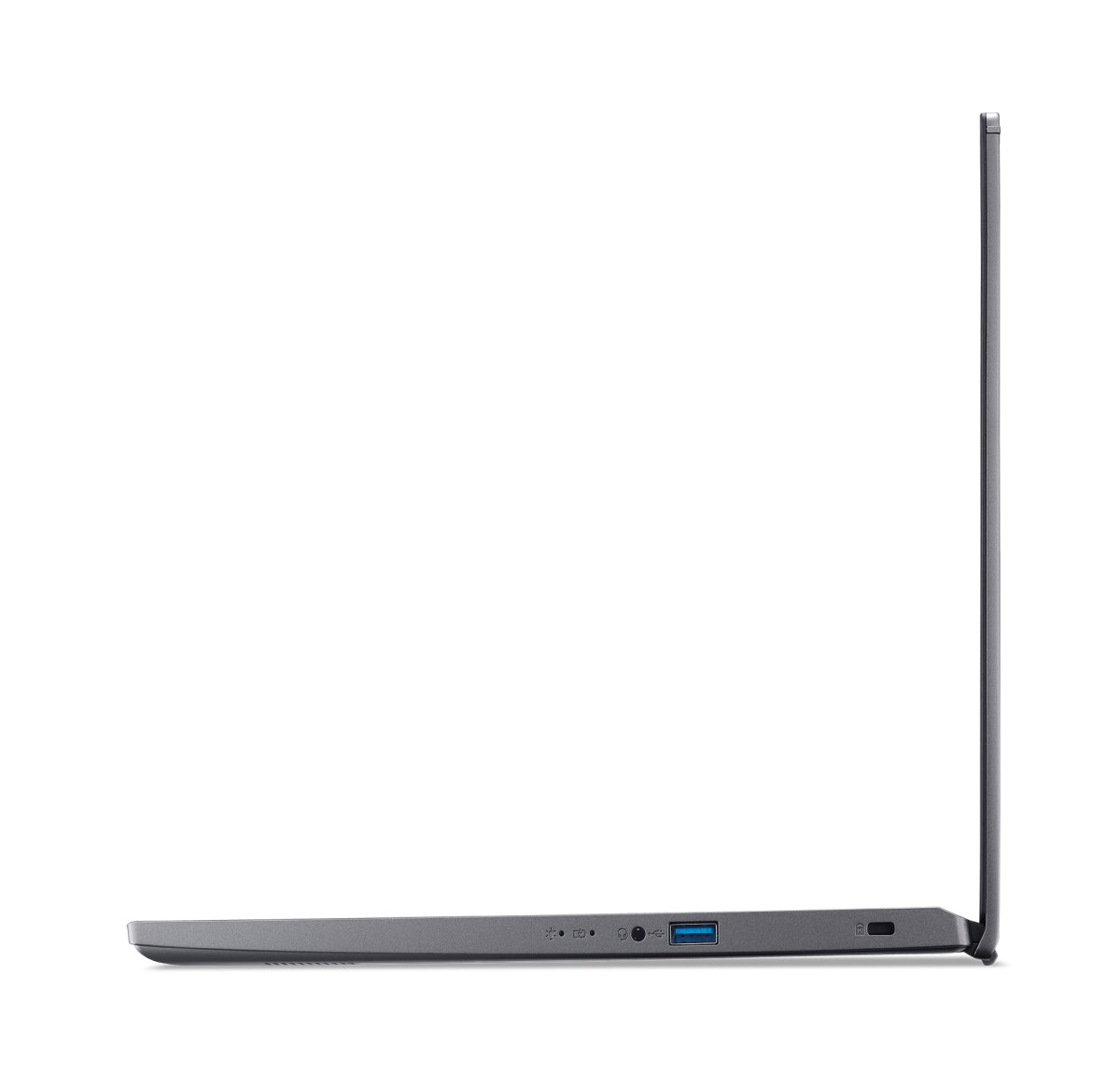
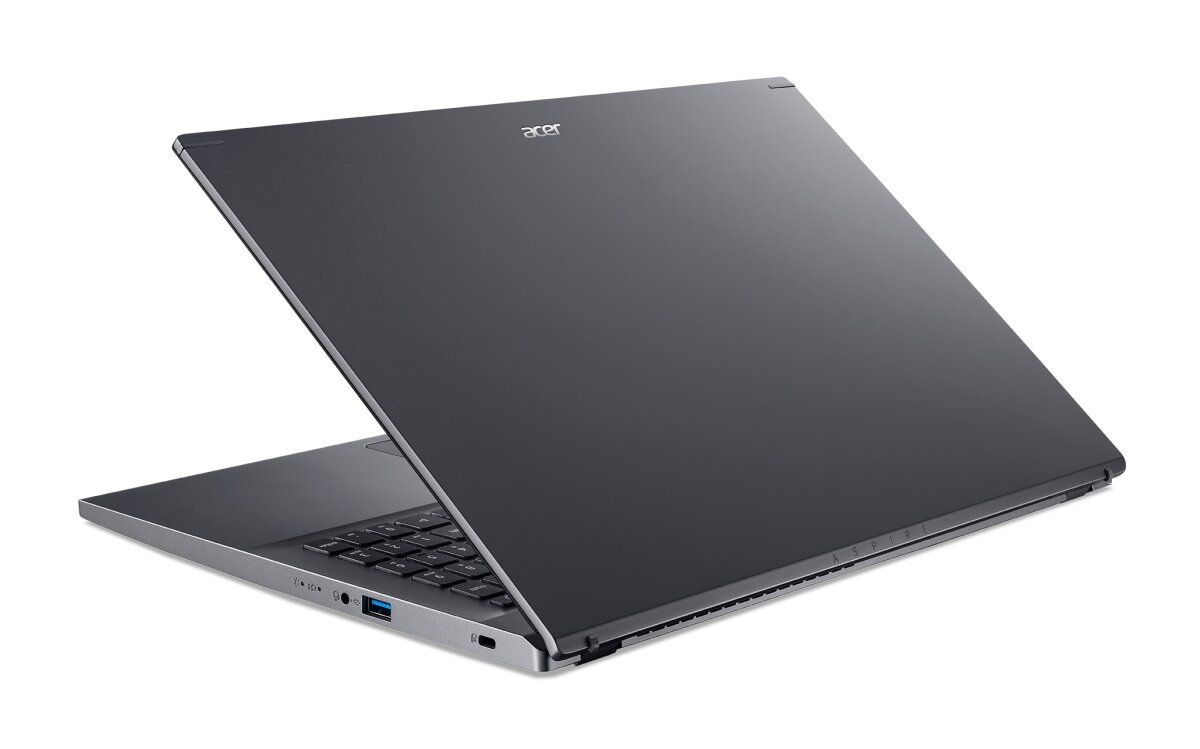
The Acer Aspire 5 Series A515-57-51GF laptop features two SO-DIMM slots for memory upgrade compatibility. The system supports DDR4-SDRAM modules operating at 3200 MHz frequency specifications. Maximum RAM capacity reaches 32 GB total across both memory slots. Compatible upgrade modules must utilize the SO-DIMM form factor standard. Current memory configuration and available slot capacity determine upgrade feasibility for this specific Aspire 5 model.
Memory Upgrade Specifications
| Specification | Value |
|---|---|
| Memory slots | 2x SO-DIMM |
| Form factor | SO-DIMM |
| Memory type | DDR4-SDRAM |
| Frequency | 3200 MHz |
| Maximum RAM | 32 GB |
| Voltage | 1.2V |
| Number of pins | 260-pin |
| Interface | PC4 |
| PC Speed Rating | PC4-3200 (PC4-25600) |
| Bandwidth | 25.6 GB/s |
| Laptop Release date | 26 January 2023 |
Additional Notes
- The ACER Aspire A515-57-51GF supports dual-channel memory architecture through its 2 SO-DIMM slots, enabling theoretical bandwidth up to 51.2 GB/s when both channels operate simultaneously with matched modules.
- Installing a single module or mismatched capacities forces the system into single-channel mode, reducing memory bandwidth by approximately 50% and creating potential bottlenecks in graphics-intensive applications that rely on integrated GPU performance.
- The 32 GB maximum capacity constraint limits configurations to either 2x16 GB modules or asymmetric setups like 16 GB + 8 GB, with the latter maintaining dual-channel operation only for the matched 16 GB portion.
- DDR4-3200 represents the maximum validated frequency, though the memory controller may accept higher-rated modules by automatically downclocking them to 3200 MHz, negating any premium paid for faster specifications.
- SO-DIMM modules measuring 67.6 mm in length require physical access through the bottom panel, which typically involves removing multiple screws and potentially breaking warranty seals depending on regional regulations.
- The absence of ECC support in standard DDR4-SDRAM means the system cannot detect or correct memory errors, making module quality and thermal management critical for long-term stability.
- Mixing modules with different CAS latencies or timings causes the system to default to the slowest common specification, potentially degrading performance if a premium low-latency module pairs with a budget alternative.
- Operating voltage is standardized at 1.2V for DDR4, eliminating compatibility concerns related to power delivery but also preventing the use of low-voltage DDR4L modules sometimes found in ultraportable systems.
- The integrated memory controller restricts JEDEC standard speeds, meaning XMP or overclocked profiles remain inaccessible even if modules support them, limiting performance gains to the base 3200 MHz specification.