ACER Aspire A515-56G-79G5 RAM upgrade specifications


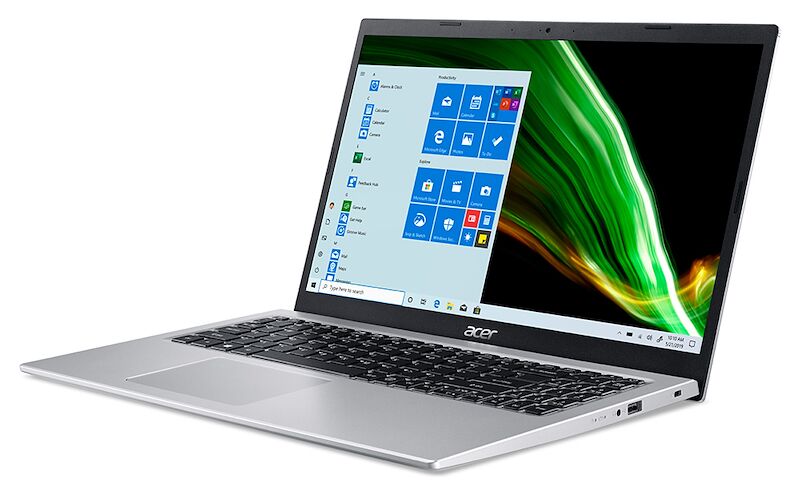


The ACER Aspire 5 Series model A515-56G-79G5 features DDR4-SDRAM memory upgrade specifications. The laptop contains one SO-DIMM slot for RAM expansion. Maximum compatible memory capacity reaches 24 GB. The memory operates at 2133 MHz frequency. Upgrade options utilize SO-DIMM form factor modules. Users requiring additional RAM capacity can install compatible DDR4-SDRAM modules to enhance system performance and multitasking capabilities within the single available slot.
Memory Upgrade Specifications
| Specification | Value |
|---|---|
| Memory slots | 1x SO-DIMM |
| Form factor | SO-DIMM |
| Memory type | DDR4-SDRAM |
| Frequency | 2133 MHz |
| Maximum RAM | 24 GB |
| Voltage | 1.2V |
| Number of pins | 260-pin |
| Interface | PC4 |
| PC Speed Rating | PC4-2133 (PC4-17064) |
| Bandwidth | 17.1 GB/s |
| Laptop Release date | 16 May 2021 |
Additional Notes
- The single SO-DIMM slot configuration indicates one memory channel is soldered directly to the motherboard, creating a permanent dual-channel limitation where asymmetric capacity pairing will reduce bandwidth efficiency compared to matched module configurations.
- The 2133 MHz frequency specification represents DDR4-2133 standard with a theoretical peak bandwidth of 17 GB/s per channel, though real-world throughput typically achieves 85-90% of theoretical maximum under sustained workloads.
- Upgrading to the 24 GB maximum requires pairing a 16 GB SO-DIMM module with 8 GB of soldered memory, which maintains dual-channel operation but creates unequal memory distribution that some applications may handle inefficiently.
- The Acer Aspire A515-56G-79G5 architecture prevents JEDEC-standard higher frequency modules from operating above 2133 MHz even when installed, as the memory controller enforces downclocking to the specified ceiling regardless of module SPD ratings.
- Accessing the single user-replaceable slot typically requires bottom panel removal without voiding manufacturer warranty coverage, unlike older designs requiring keyboard deck disassembly that risk cosmetic damage during service.
- CAS latency variations between soldered and aftermarket SO-DIMM modules create minor timing mismatches that the memory controller automatically resolves by applying the slower timing profile to both channels, potentially increasing latency by 1-2 nanoseconds.
- The fixed 2133 MHz specification limits compatibility concerns to voltage requirements, as all standard DDR4 SO-DIMMs operate at 1.2V, eliminating the stability issues common with earlier DDR3/DDR3L mixed configurations.
- Installing non-matching module densities triggers Flex Mode operation where only the overlapping capacity portion runs in dual-channel while excess capacity operates in slower single-channel mode, creating performance variability depending on memory allocation patterns.