ACER Aspire A515-57-763M RAM upgrade specifications
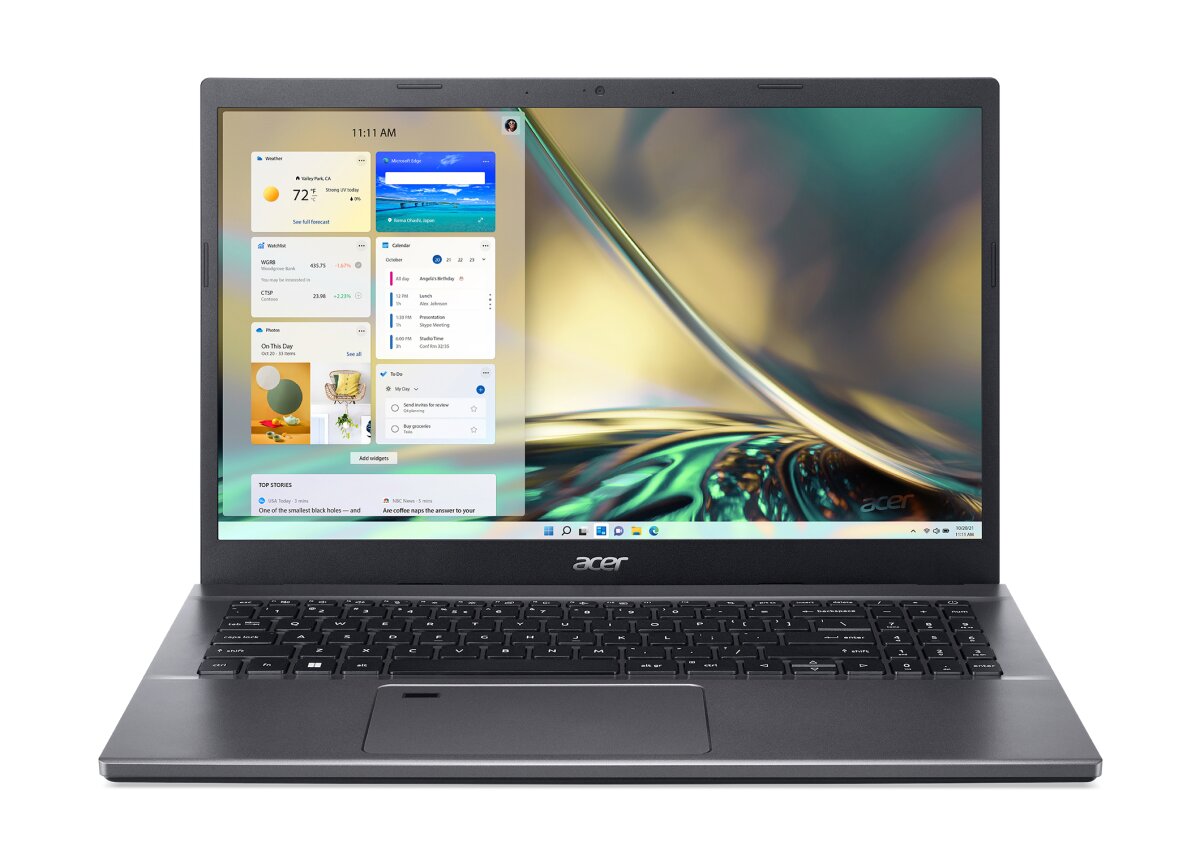
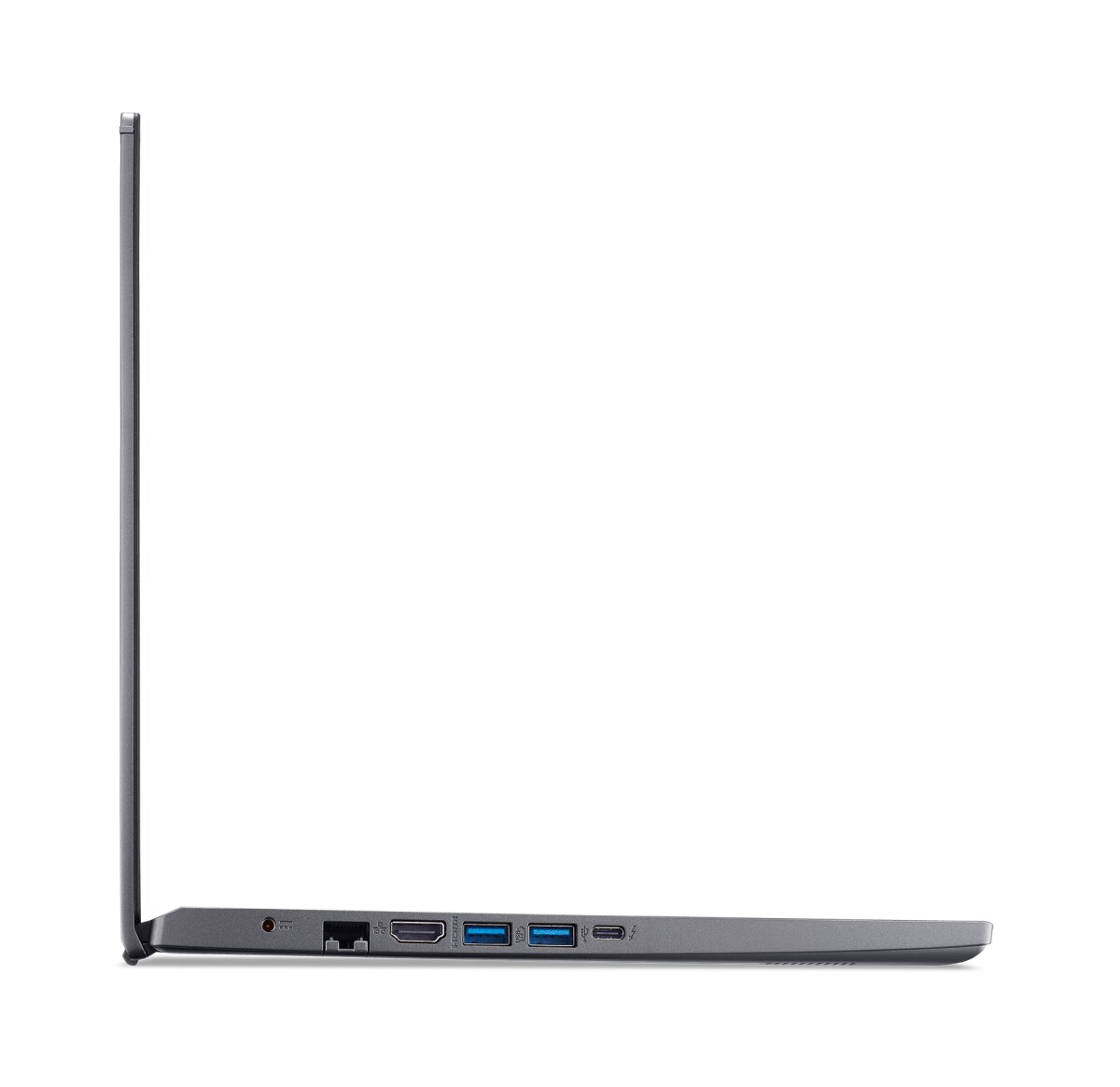
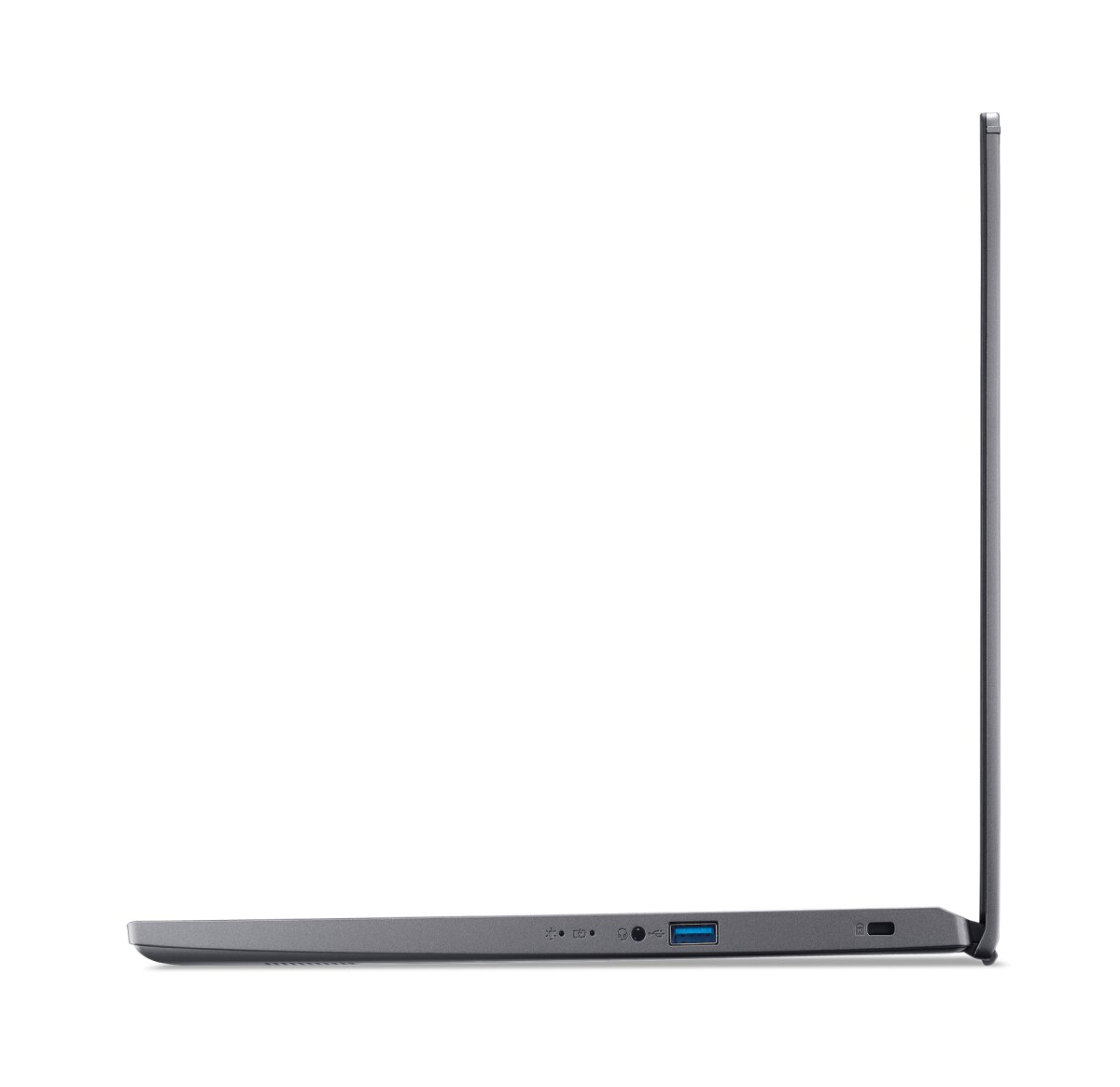
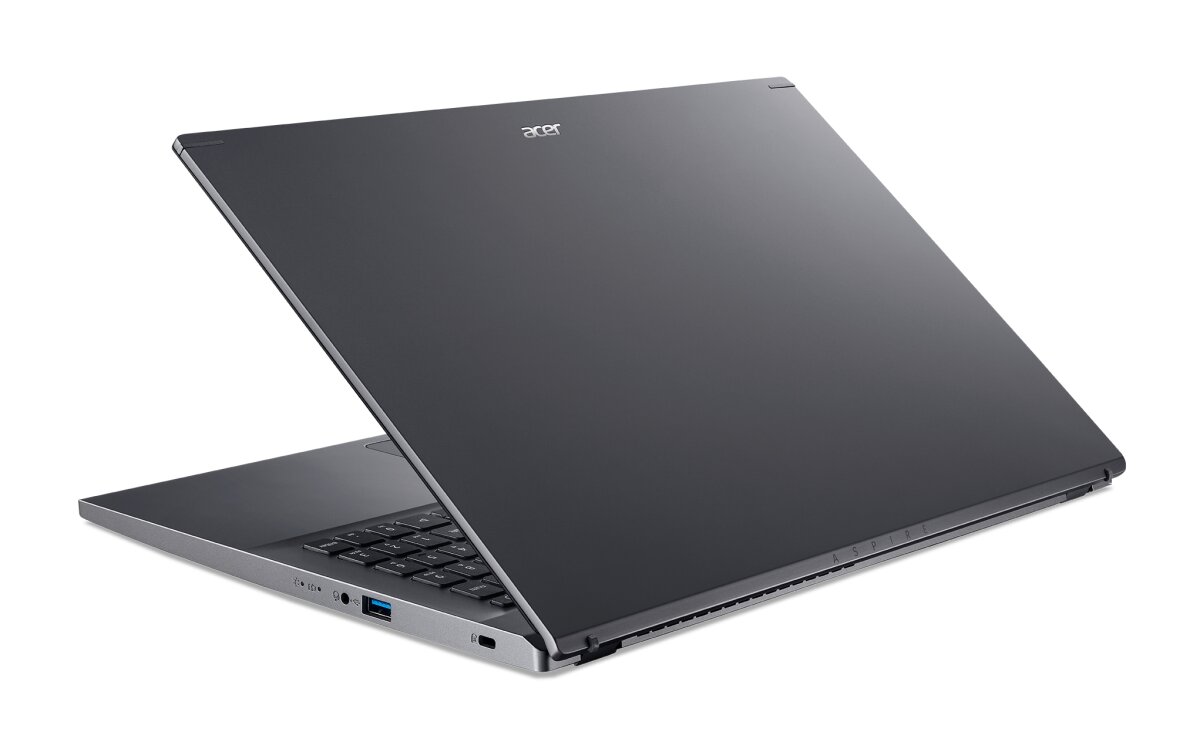
The Acer Aspire 5 Series A515-57-763M laptop features two SO-DIMM slots for DDR4-SDRAM memory upgrades. The system supports maximum RAM capacity of 32 GB total, with compatible modules operating at 3200 MHz frequency. Specifications indicate memory upgrade capability through dual SO-DIMM slots, allowing for flexible RAM configuration and expansion options on this Acer Aspire 5 model.
Memory Upgrade Specifications
| Specification | Value |
|---|---|
| Memory slots | 2x SO-DIMM |
| Form factor | SO-DIMM |
| Memory type | DDR4-SDRAM |
| Frequency | 3200 MHz |
| Maximum RAM | 32 GB |
| Voltage | 1.2V |
| Number of pins | 260-pin |
| Interface | PC4 |
| PC Speed Rating | PC4-3200 (PC4-25600) |
| Bandwidth | 25.6 GB/s |
| Laptop Release date | 26 January 2023 |
Additional Notes
- The ACER Aspire A515-57-763M platform enforces a 32 GB total memory ceiling, limiting each SO-DIMM slot to a maximum 16 GB module regardless of higher-capacity module availability in the market.
- DDR4-3200 represents the native speed specification, though actual operating frequency depends on CPU memory controller support and may downclock if mismatched modules are installed.
- Dual SO-DIMM configuration enables dual-channel operation when matched module pairs are installed, potentially doubling memory bandwidth compared to single-channel configurations.
- Mixing modules with different speeds forces all installed memory to operate at the speed of the slowest module, creating a performance bottleneck.
- Mixing modules with different capacities while maintaining dual-channel mode requires specific slot population rules, typically placing the higher-capacity module in the primary channel.
- Non-identical module pairs may force the system into flex mode or asymmetric dual-channel, reducing effective bandwidth compared to perfectly matched configurations.
- SO-DIMM form factor installation typically requires partial disassembly of the bottom chassis panel, with potential warranty implications if manufacturer seals are broken during access.
- Voltage compatibility matters as DDR4 modules operate at 1.2V standard, and mixing standard voltage with low-voltage variants can cause boot failures or instability.
- CAS latency differences between modules, even at identical frequencies, can trigger conservative timing fallback that reduces overall memory subsystem responsiveness.
- Upgrading from single-rank to dual-rank modules at maximum capacity may stress the memory controller, potentially requiring BIOS-level timing adjustments for stability.
- Temperature constraints within the laptop chassis may limit sustained performance of high-density memory configurations during extended workloads.