ACER Aspire A515-57G-531K RAM upgrade specifications
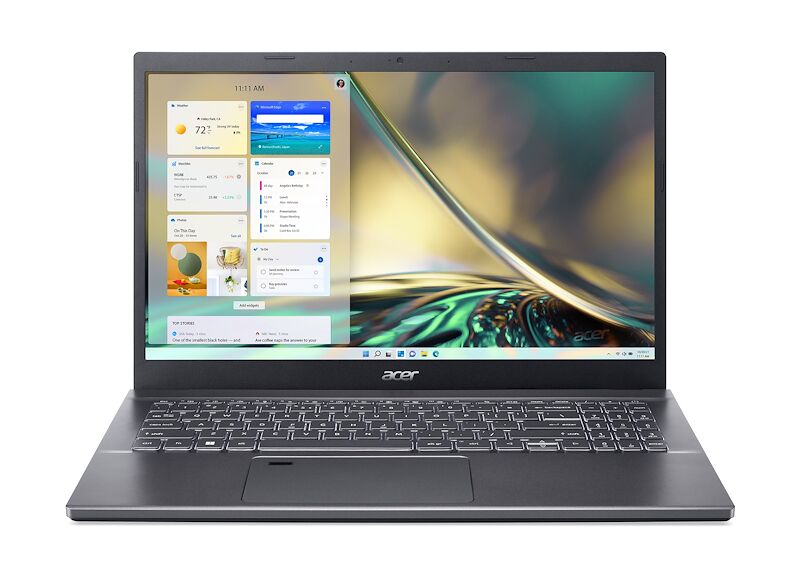
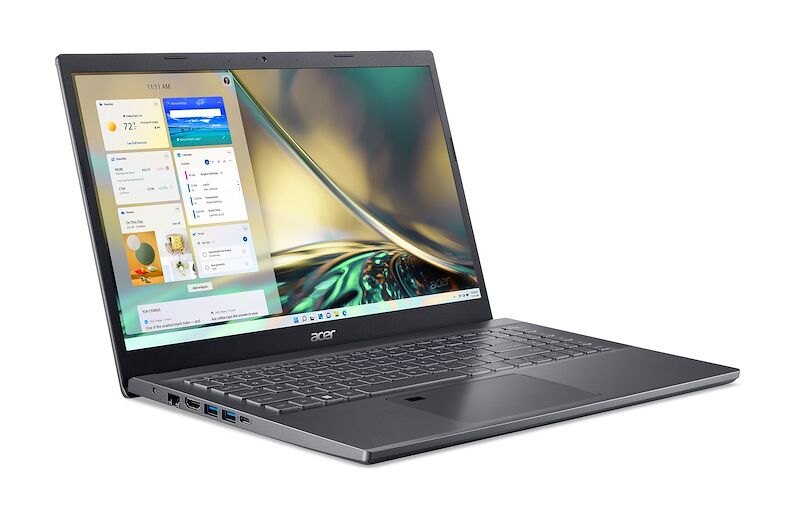
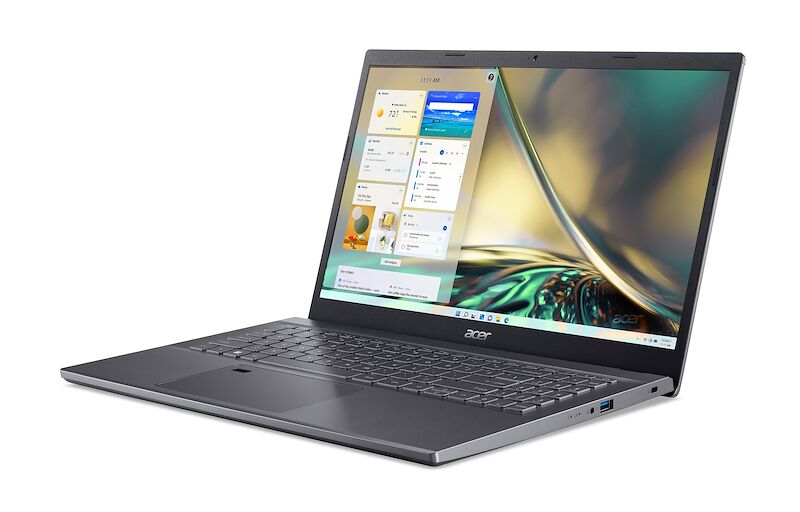
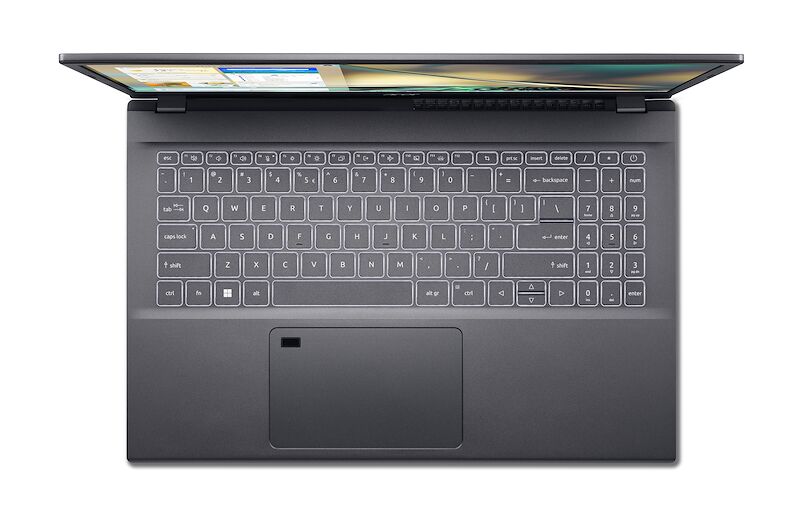
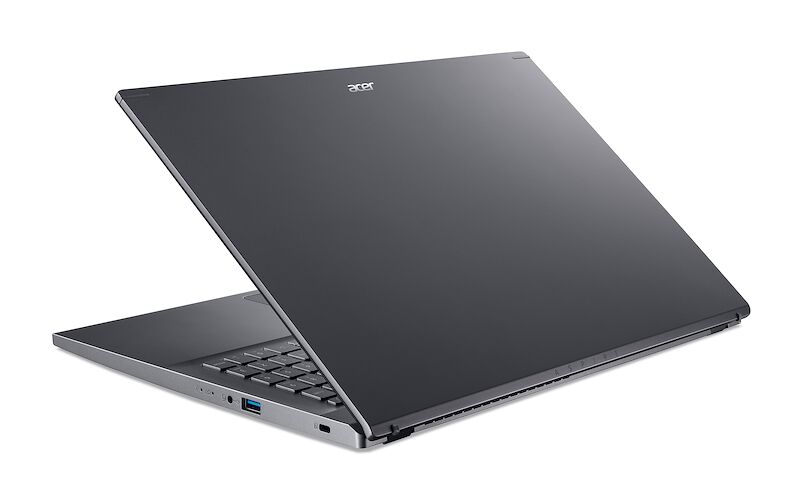
The Acer Aspire 5 series model A515-57G-531K features DDR4-SDRAM memory with upgrade capacity through two SO-DIMM slots. The laptop supports a maximum RAM capacity of 32 GB total, operating at 3200 MHz frequency. Compatible memory modules utilize the SO-DIMM form factor, enabling users to expand the system's memory specifications according to performance requirements. The upgrade slots accommodate standard DDR4 memory modules, providing flexible configurations for enhanced multitasking and application performance.
Memory Upgrade Specifications
| Specification | Value |
|---|---|
| Memory slots | 2x SO-DIMM |
| Form factor | SO-DIMM |
| Memory type | DDR4-SDRAM |
| Frequency | 3200 MHz |
| Maximum RAM | 32 GB |
| Voltage | 1.2V |
| Number of pins | 260-pin |
| Interface | PC4 |
| PC Speed Rating | PC4-3200 (PC4-25600) |
| Bandwidth | 25.6 GB/s |
| Laptop Release date | 19 January 2022 |
Additional Notes
- The Acer Aspire A515-57G-531K contains 2 SO-DIMM slots operating in dual-channel configuration, enabling symmetric memory bandwidth delivery during simultaneous read/write operations compared to single-channel implementations.
- DDR4-3200 memory operates at reduced latency windows relative to earlier DDR4 bins, creating dependency on CPU memory controller capabilities; mixing frequencies forces both modules to downclock to the slower module's specification.
- The 32 GB capacity ceiling represents the maximum addressable threshold for this motherboard's memory controller; population beyond this limit results in non-recognition by BIOS regardless of physical slot availability.
- SO-DIMM form factor demands laptop-specific modules rather than full-size UDIMM components; standard desktop RAM is physically incompatible with the slot connector and retention clip geometry.
- Populating both slots with matched DDR4-3200 SO-DIMM modules (16 GB each) achieves maximum capacity while maintaining synchronous timing characteristics; single-module installations create asymmetric bandwidth conditions.
- Warranty policies typically permit SO-DIMM replacement under end-user serviceability provisions, though adhesive-sealed bottom panels may require careful disassembly to access memory compartments without damage to surrounding components.
- Memory upgrade does not address potential storage bottlenecks if the system relies on SATA or slower NVMe controllers; RAM expansion alone cannot compensate for storage-layer latency constraints.