ACER Aspire A517-53-72XD RAM upgrade specifications
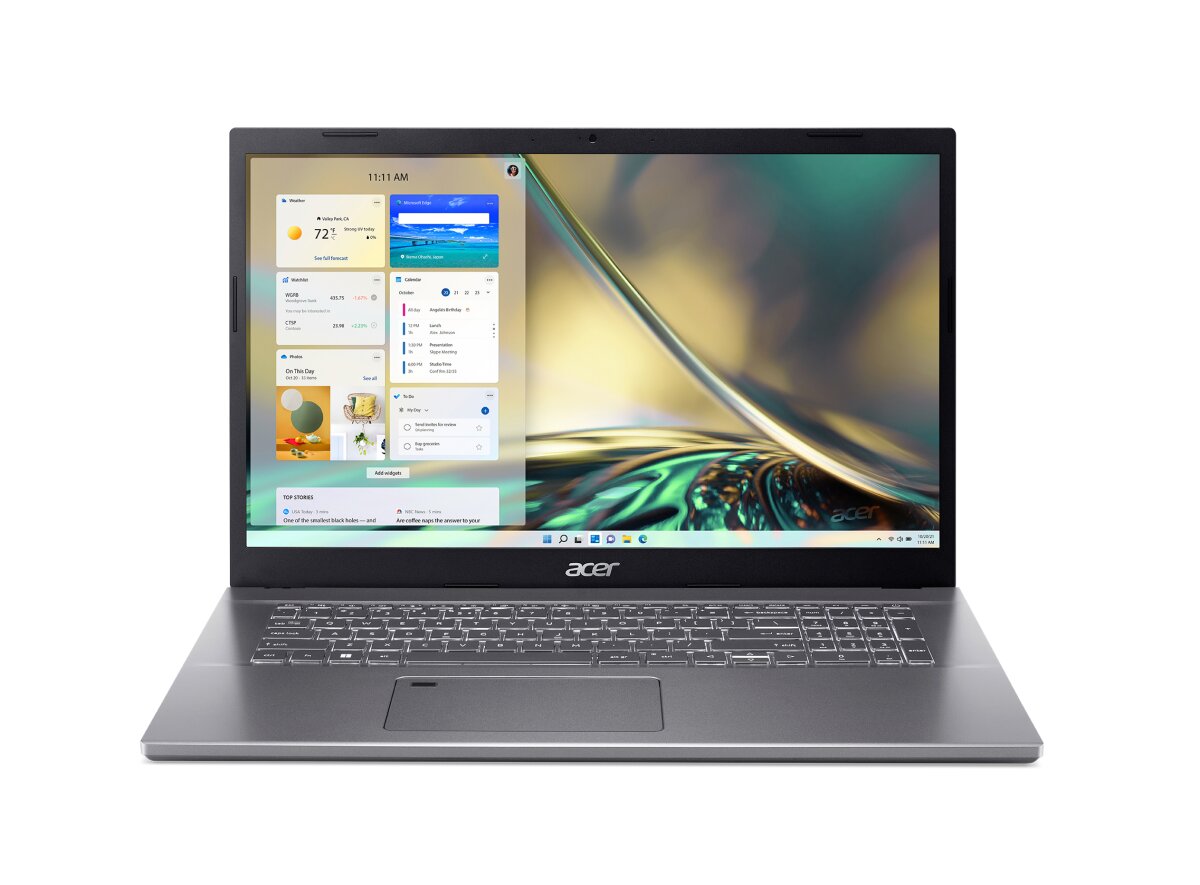

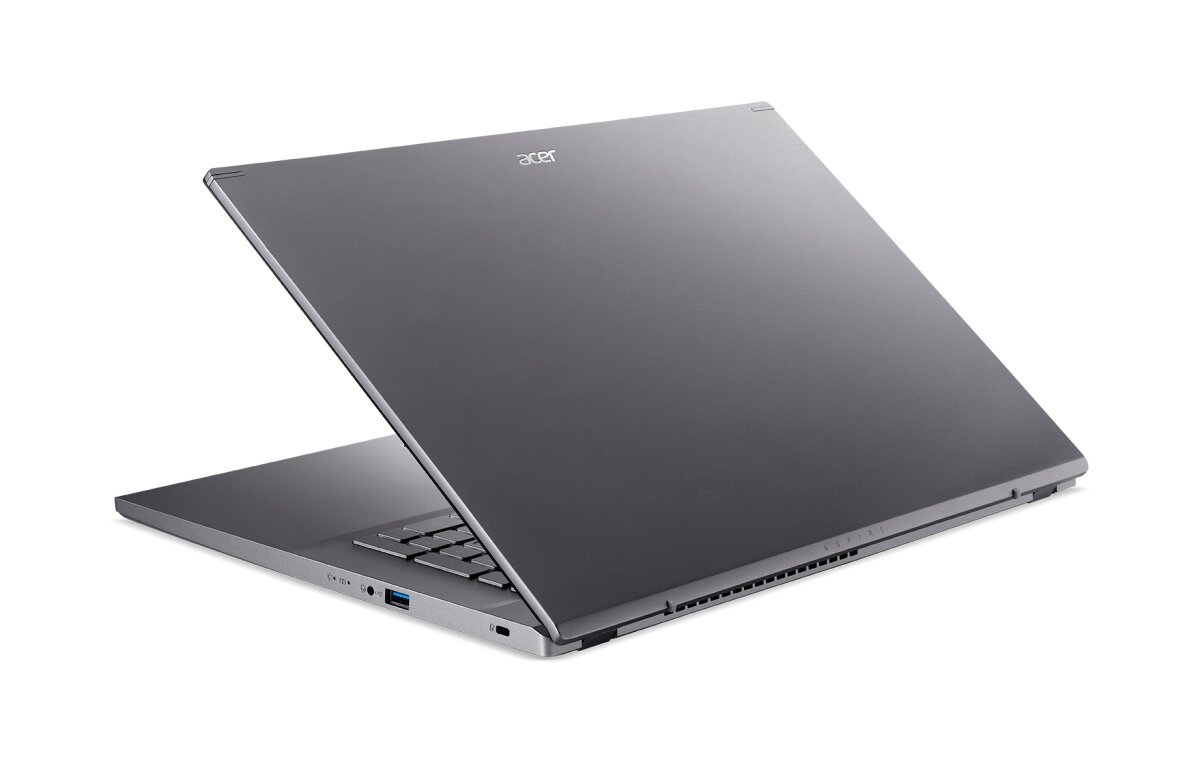
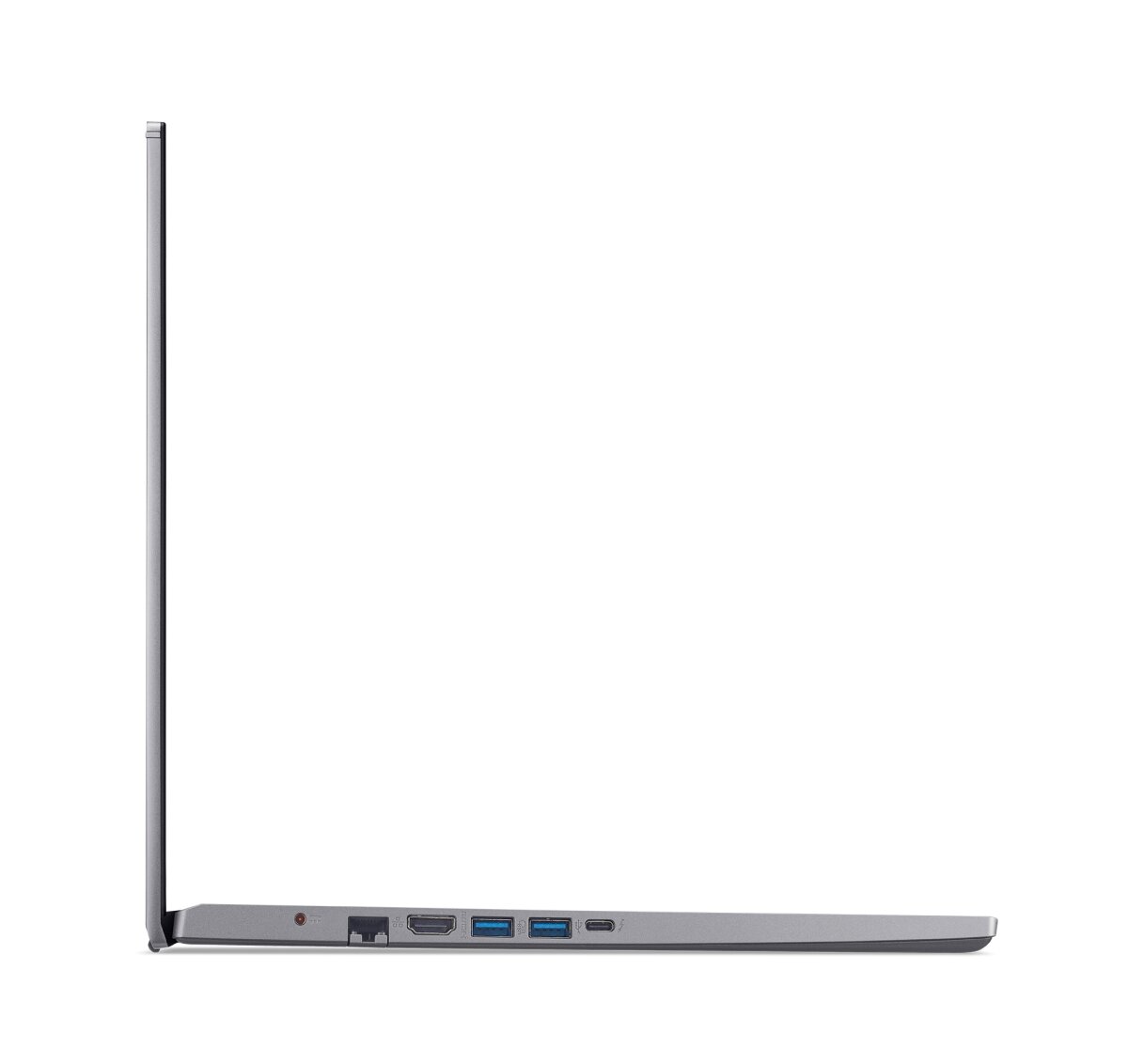
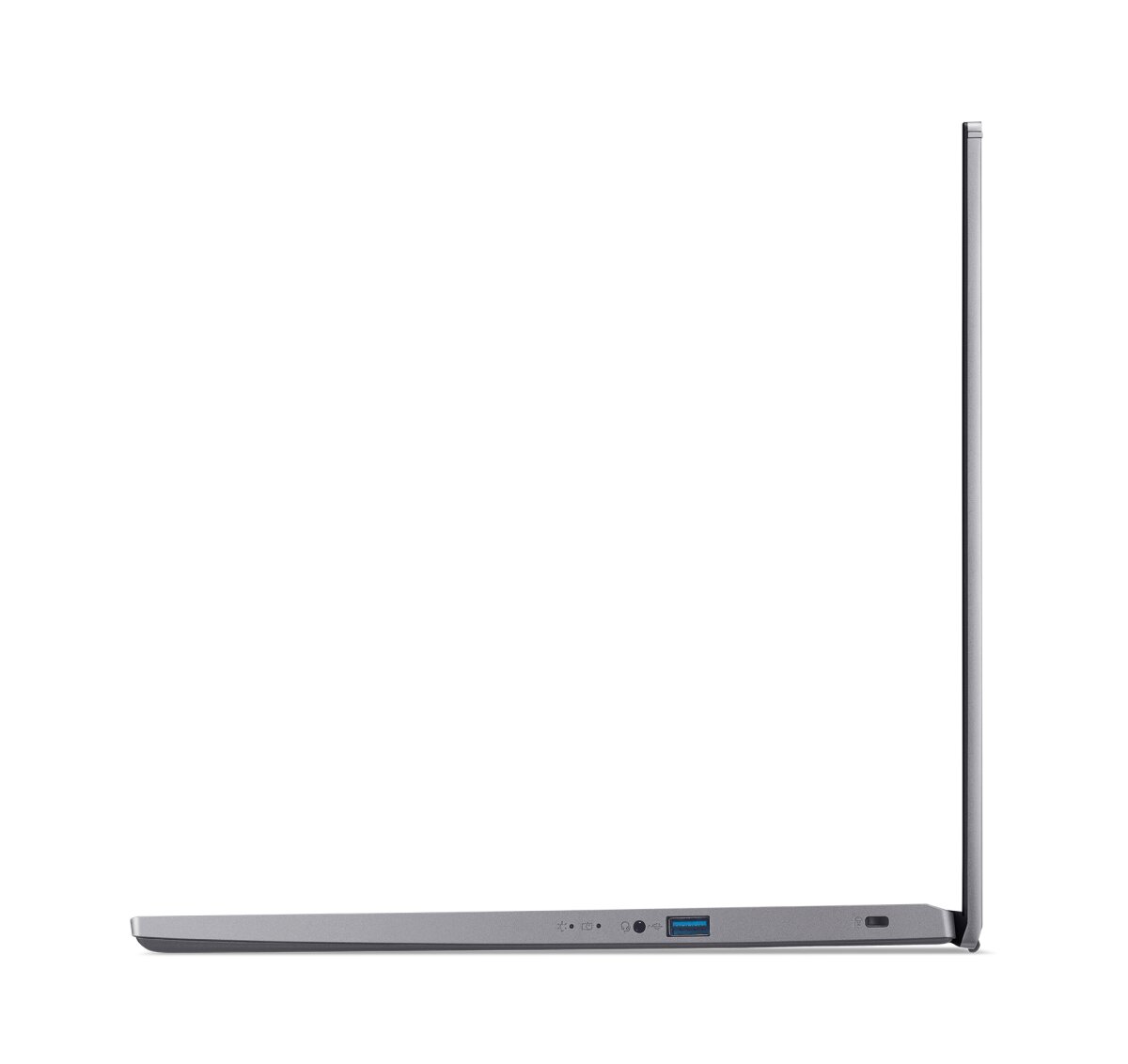
The ACER Aspire Series 5 A517-53-72XD laptop features DDR4-SDRAM memory specifications compatible with SO-DIMM form factor modules. The device contains two memory slots supporting maximum RAM capacity of 32 GB total. Upgrade specifications require DDR4 modules operating at 3200 MHz frequency. Compatible memory upgrades for this model support configurations up to 32 GB across the two available SO-DIMM slots, enabling users to expand system memory from factory specifications.
Memory Upgrade Specifications
| Specification | Value |
|---|---|
| Memory slots | 2x SO-DIMM |
| Form factor | SO-DIMM |
| Memory type | DDR4-SDRAM |
| Frequency | 3200 MHz |
| Maximum RAM | 32 GB |
| Voltage | 1.2V |
| Number of pins | 260-pin |
| Interface | PC4 |
| PC Speed Rating | PC4-3200 (PC4-25600) |
| Bandwidth | 25.6 GB/s |
| Laptop Release date | 26 January 2023 |
Additional Notes
- The ACER Aspire A517-53-72XD accepts only DDR4 SO-DIMM modules, excluding compatibility with DDR3, DDR3L, or DDR5 technologies regardless of physical adapter use.
- Both memory slots must remain accessible without motherboard removal, though some manufacturers position one slot beneath the keyboard assembly rather than under a single bottom panel.
- The 3200 MHz native frequency requires CPU and chipset support for operation at advertised speed; older or budget processors may limit actual performance to 2933 MHz or 2666 MHz.
- Achieving the 32 GB maximum capacity necessitates installing two 16 GB modules, as single 32 GB SO-DIMM modules exceed the per-slot density limit of this platform.
- Mixing different capacity modules between slots will function but forces all memory to operate in single-channel mode for the capacity exceeding the smaller module, reducing theoretical bandwidth by half for that portion.
- Installing modules with differing voltage specifications (standard 1.2V versus low-voltage 1.05V variants) may cause POST failure or force all modules to the higher voltage specification.
- The dual-channel architecture delivers optimal performance only when identical capacity modules occupy both slots, maintaining symmetrical memory interleaving across channels.
- XMP or overclocked modules rated beyond 3200 MHz will downclock to the maximum supported frequency, offering no performance advantage over standard-rated modules.
- User-accessible memory replacement typically preserves manufacturer warranty coverage, unlike soldered memory systems, though verification of specific regional warranty terms remains advisable.
- CAS latency timings (CL22 versus CL19) at identical frequencies produce measurable latency differences, though real-world application impact rarely justifies premium pricing for tighter timings.