ACER Aspire A715-71G-589W RAM upgrade specifications
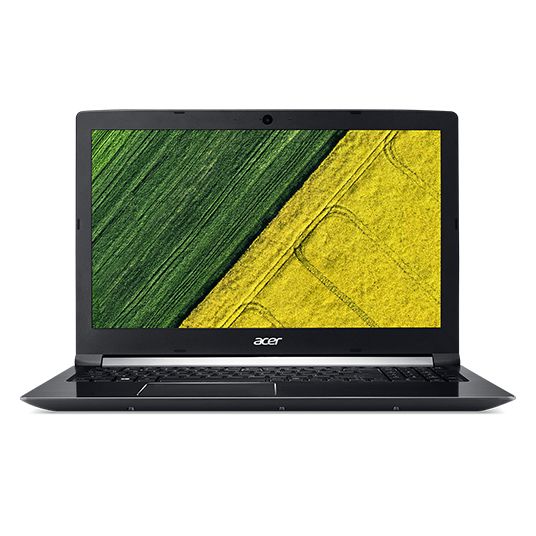
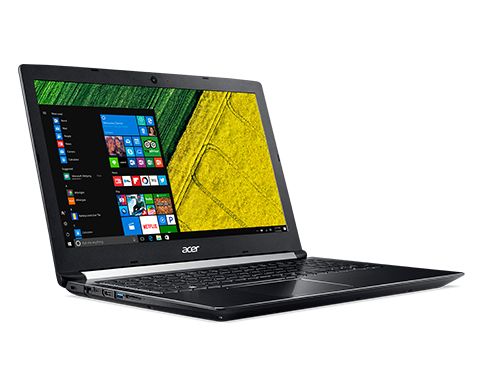
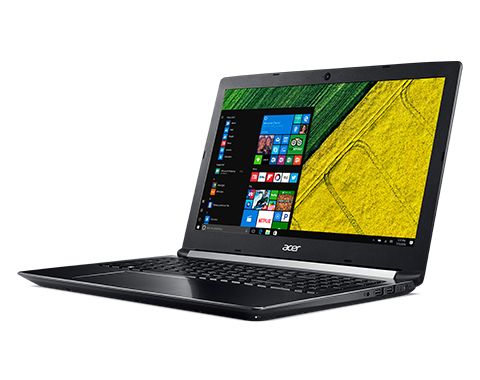
The ACER Aspire 7 Series model A715-71G-589W features two SO-DIMM memory slots supporting DDR4-SDRAM upgrade specifications. The laptop supports a maximum RAM capacity of 32 GB with compatible memory operating at 2400 MHz frequency. Users can upgrade the memory by installing DDR4 SO-DIMM modules in either or both available slots to enhance system performance and multitasking capabilities.
Memory Upgrade Specifications
| Specification | Value |
|---|---|
| Memory slots | 2x SO-DIMM |
| Form factor | SO-DIMM |
| Memory type | DDR4-SDRAM |
| Frequency | 2400 MHz |
| Maximum RAM | 32 GB |
| Voltage | 1.2V |
| Number of pins | 260-pin |
| Interface | PC4 |
| PC Speed Rating | PC4-2400 (PC4-19200) |
| Bandwidth | 19.2 GB/s |
| Laptop Release date | 03 September 2017 |
Additional Notes
- The 2400 MHz frequency limit reflects chipset-level memory controller constraints rather than slot limitations, meaning higher-frequency modules will downclock to 2400 MHz when installed.
- Both memory slots must be populated with matching capacity modules to enable dual-channel operation, which doubles theoretical memory bandwidth from 19.2 GB/s to 38.4 GB/s.
- The 32 GB maximum capacity requires 2 modules of 16 GB each, as single 32 GB SO-DIMM modules exceed the per-slot addressing capability of this generation's memory controller.
- DDR4 SO-DIMM modules operate at 1.2V standard voltage, eliminating compatibility concerns with low-voltage or high-performance variants that require non-standard power delivery.
- Seventh-generation Intel mobile platforms associated with this model series lack native support for DDR4-2666 or faster speeds without BIOS microcode updates that typically remain unavailable for consumer laptops.
- Mixed-capacity configurations like 8 GB plus 16 GB will function but force the memory controller into asymmetric dual-channel mode, creating bandwidth inconsistencies across the address range.
- SO-DIMM module height variations exceeding 30mm may create physical interference with keyboard assemblies or thermal solutions in this chassis design generation.
- The dual-slot configuration permits incremental upgrades without discarding existing modules, unlike soldered or single-slot implementations that require complete memory replacement.
- Non-ECC unbuffered modules represent the only compatible architecture, as the consumer-grade chipset lacks error-correction circuitry and registered DIMM support.
- Memory access from the bottom panel requires complete removal rather than through a dedicated service hatch, affecting warranty seal integrity on units with tamper-evident labels.