ACER Extensa EX215-31-C46G RAM upgrade specifications




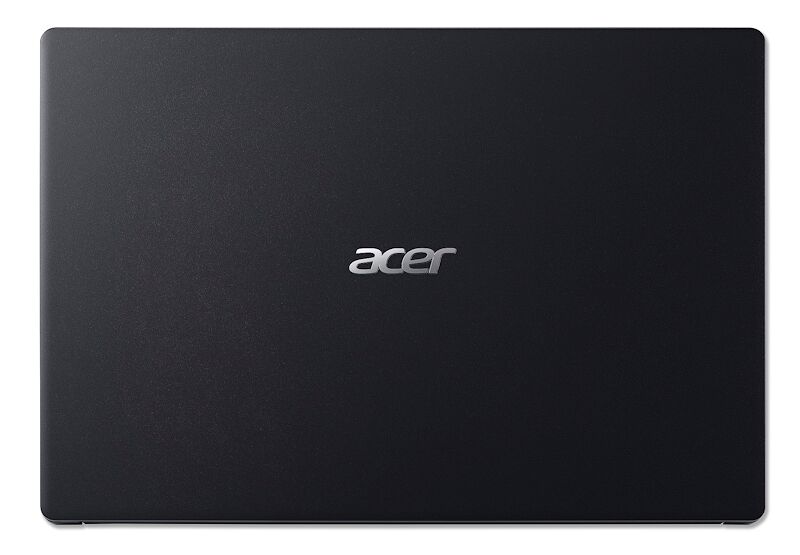
The ACER Extensa 15 Series EX215-31-C46G laptop features DDR4-SDRAM memory specifications with a maximum RAM capacity of 8 GB. The system contains one SO-DIMM upgrade slot available for memory expansion, operating at 2400 MHz frequency. Compatible memory upgrades support DDR4 technology. The machine includes on-board memory integrated with the removable SO-DIMM slot configuration, allowing users to expand total system memory through the single available upgrade slot.
Memory Upgrade Specifications
| Specification | Value |
|---|---|
| Memory slots | 1x SO-DIMM |
| Form factor | On-board + SO-DIMM |
| Memory type | DDR4-SDRAM |
| Frequency | 2400 MHz |
| Maximum RAM | 8 GB |
| Voltage | 1.2V |
| Number of pins | 260-pin |
| Interface | PC4 |
| PC Speed Rating | PC4-2400 (PC4-19200) |
| Bandwidth | 19.2 GB/s |
| Laptop Release date | 10 April 2021 |
Additional Notes
- The presence of a single SO-DIMM slot alongside on-board memory indicates that dual-channel memory architecture is limited to the capacity of the soldered chip.
- The ACER Extensa EX215-31-C46G achieves its maximum capacity by replacing the existing module in the lone expansion slot, as the total addressable memory is capped by the motherboard chipset.
- Installing a module with a frequency higher than 2400 MHz will result in automatic downclocking to match the system bus speed, preventing any realized performance gains from faster memory kits.
- Memory upgrades require matching the voltage specifications of the soldered on-board RAM to ensure system stability and prevent boot failures.
- Structural limitations of the single-slot design mean that increasing memory requires discarding the current removable module rather than adding to it.
- Latency timings will default to the highest common denominator between the integrated memory and the added SO-DIMM, potentially bottlenecking integrated graphics performance.
- The ultra-low power consumption profile of the hardware suggests that high-density modules may face power delivery constraints if they exceed standard DDR4 voltage tiers.