ACER Extensa EX215-31-C65S RAM upgrade specifications



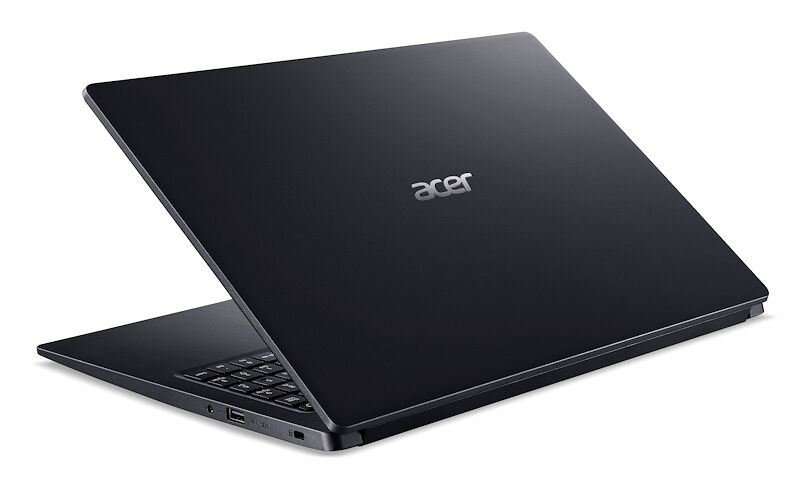
ACER Extensa 15 Series model EX215-31-C65S supports DDR4-SDRAM memory upgrades with specifications including one SO-DIMM slot available for expansion. Maximum compatible RAM capacity reaches 8 GB total, operating at 2400 MHz frequency. Memory configuration combines on-board integrated memory with one upgradeable SO-DIMM slot. Upgrade options limited by single available slot and maximum capacity specifications.
Memory Upgrade Specifications
| Specification | Value |
|---|---|
| Memory slots | 1x SO-DIMM |
| Form factor | On-board + SO-DIMM |
| Memory type | DDR4-SDRAM |
| Frequency | 2400 MHz |
| Maximum RAM | 8 GB |
| Voltage | 1.2V |
| Number of pins | 260-pin |
| Interface | PC4 |
| PC Speed Rating | PC4-2400 (PC4-19200) |
| Bandwidth | 19.2 GB/s |
| Laptop Release date | 10 April 2021 |
Additional Notes
- The on-board plus SO-DIMM configuration in the Acer Extensa EX215-31-C65S indicates permanent soldered memory that cannot be removed or replaced, limiting upgrade flexibility to the single accessible slot.
- The 8 GB maximum capacity constraint applies to the total system memory, meaning the accessible SO-DIMM slot capacity depends on how much RAM is permanently soldered to the motherboard.
- If 4 GB is soldered on-board, the single SO-DIMM slot accepts only a 4 GB module to reach the 8 GB system limit, preventing installation of larger capacity modules.
- DDR4-2400 represents a lower bandwidth specification compared to DDR4-3200, delivering 19.2 GB/s per channel versus 25.6 GB/s, which affects memory-intensive operations.
- Single-channel memory architecture results when only on-board memory is present, while populating the SO-DIMM slot enables dual-channel mode if both modules match in capacity.
- Dual-channel configuration doubles theoretical memory bandwidth from 19.2 GB/s to 38.4 GB/s at 2400 MHz, significantly improving integrated graphics performance and multitasking responsiveness.
- Installing a SO-DIMM module with higher frequency rating than 2400 MHz results in automatic downclocking to match the system specification, wasting the module's higher speed potential.
- The SO-DIMM form factor requires 260-pin modules specific to laptops, as standard 288-pin desktop DIMM modules are physically incompatible with the slot.
- Accessing the single memory slot typically requires bottom panel removal, which may involve breaking warranty seals depending on regional warranty terms and service policies.
- Mixing different memory brands or specifications between the on-board and SO-DIMM module can cause stability issues, though matching speed ratings matters more than matching manufacturers.
- The 8 GB ceiling limits the system's ability to handle professional applications like virtual machines, video editing with high-resolution footage, or running multiple resource-intensive browser tabs simultaneously.
- Non-upgradeable soldered memory means any failure in the on-board component requires motherboard-level repair or replacement rather than simple module swapping.