ACER Extensa EX215-54-53A3 RAM upgrade specifications
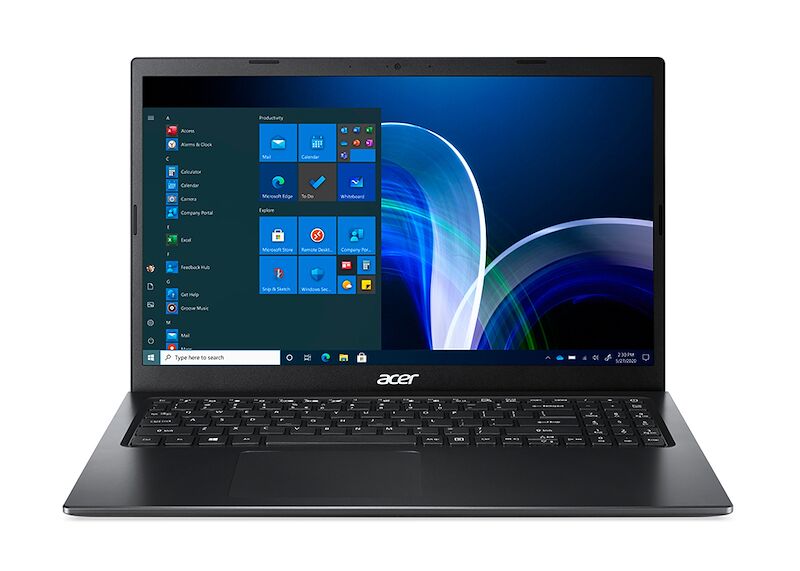
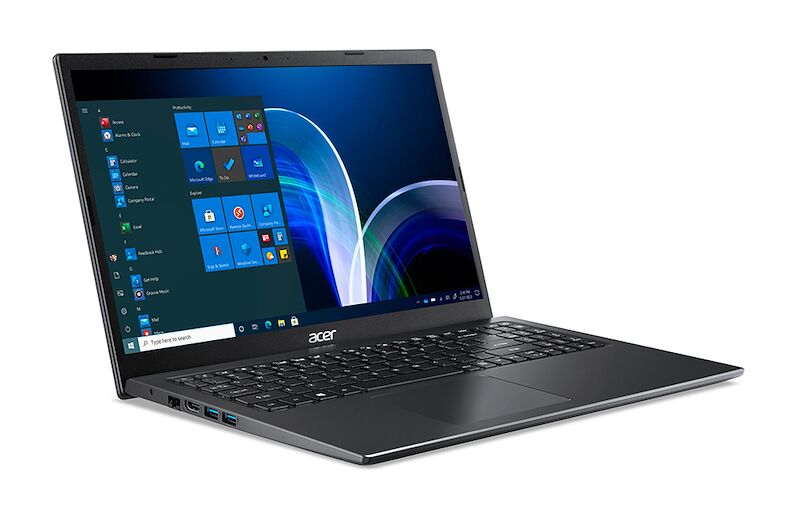
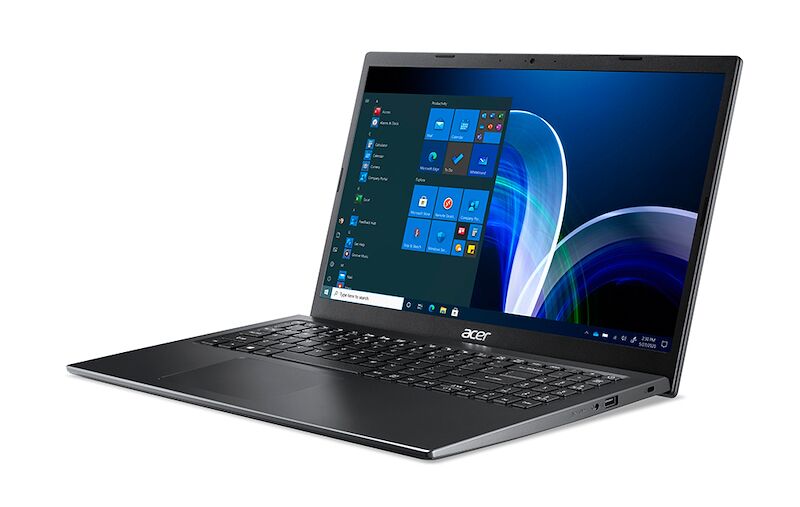
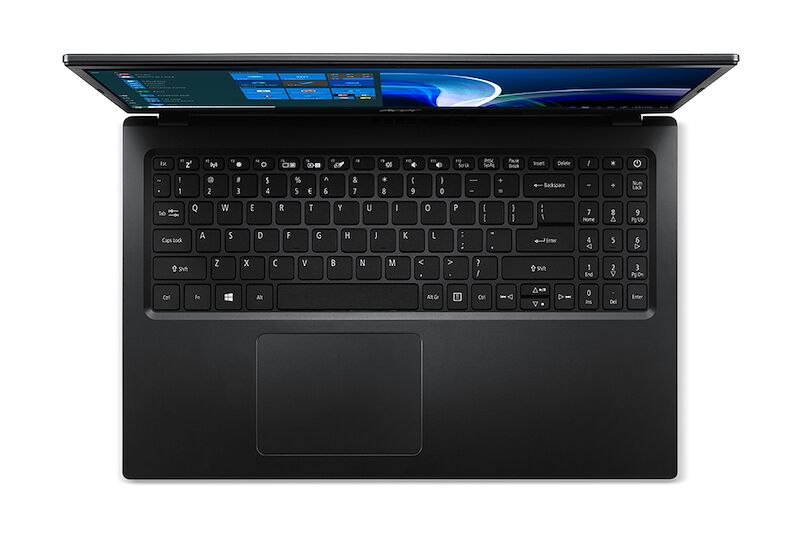
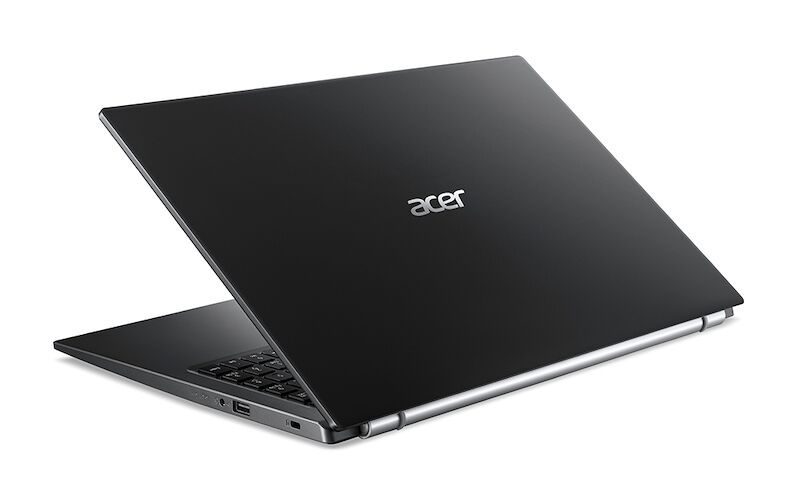
The ACER Extensa 15 EX215-54-53A3 features DDR4-SDRAM memory architecture with upgrade capacity to maximum 12 GB RAM. The laptop contains one SO-DIMM slot for memory expansion, compatible with DDR4-2133 MHz specifications. Upgrade slots accommodate standard SO-DIMM modules, with existing on-board memory complement. Compatible memory upgrades enable expansion of RAM capacity for enhanced system performance specifications.
Memory Upgrade Specifications
| Specification | Value |
|---|---|
| Memory slots | 1x SO-DIMM |
| Form factor | On-board + SO-DIMM |
| Memory type | DDR4-SDRAM |
| Frequency | 2133 MHz |
| Maximum RAM | 12 GB |
| Voltage | 1.2V |
| Number of pins | 260-pin |
| Interface | PC4 |
| PC Speed Rating | PC4-2133 (PC4-17064) |
| Bandwidth | 17.1 GB/s |
| Laptop Release date | 10 April 2021 |
Additional Notes
- The Acer Extensa EX215-54-53A3 contains 1 soldered memory module on the motherboard alongside a single accessible SO-DIMM slot, meaning maximum expandable capacity is limited to 12 GB total rather than doubled slot configurations found in comparable 15.6-inch laptops.
- DDR4-2133 MHz operation represents the lower tier of DDR4 performance standards; upgrading to faster DDR4 modules (2400, 2666, or 3200 MHz) will default to 2133 MHz operation due to BIOS lock-in, resulting in zero performance benefit from premium-speed memory purchases.
- The single SO-DIMM slot creates a capacity ceiling that prevents configurations exceeding 12 GB, making this model unsuitable for memory-intensive workflows such as virtual machine hosting, professional video editing, or large dataset processing that typically require 16 GB or 32 GB configurations.
- Installing aftermarket RAM requires removal of the base panel and careful handling of the SO-DIMM retention clips; accidental damage to these clips during installation voids manufacturer coverage since internal component tampering falls outside warranty scope on this consumer-grade device.
- Hybrid memory architecture (soldered + removable) restricts upgrade flexibility; if the on-board module fails, the entire motherboard requires replacement rather than selective DIMM substitution, concentrating hardware reliability risk on a single solder joint.