ACER Extensa EX215-54-54BN RAM upgrade specifications


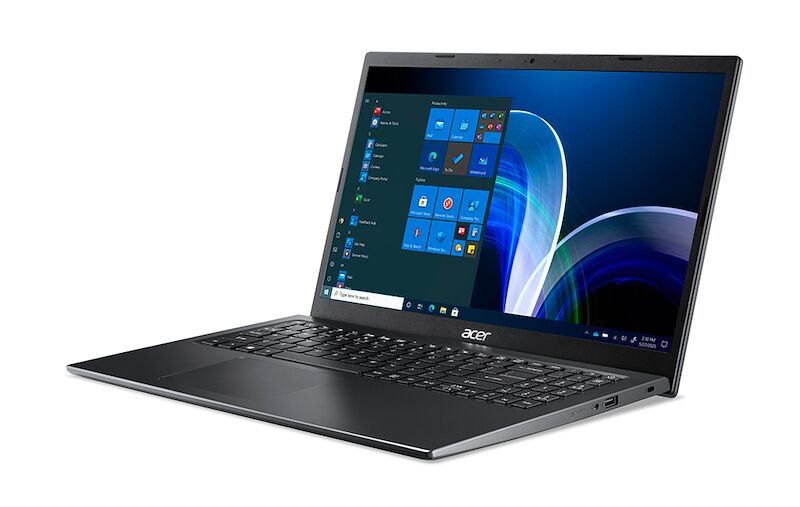


The ACER Extensa 15 Series EX215-54-54BN laptop features DDR4-SDRAM memory with one SO-DIMM slot for upgrade capacity. The system includes onboard memory combined with one expandable slot, supporting a maximum RAM configuration of 12 GB at 2133 MHz frequency. Compatible memory upgrades utilize the SO-DIMM form factor. Current specifications allow for memory expansion through the available upgrade slot to reach the maximum supported capacity for enhanced system performance and multitasking capabilities.
Memory Upgrade Specifications
| Specification | Value |
|---|---|
| Memory slots | 1x SO-DIMM |
| Form factor | On-board + SO-DIMM |
| Memory type | DDR4-SDRAM |
| Frequency | 2133 MHz |
| Maximum RAM | 12 GB |
| Voltage | 1.2V |
| Number of pins | 260-pin |
| Interface | PC4 |
| PC Speed Rating | PC4-2133 (PC4-17064) |
| Bandwidth | 17.1 GB/s |
| Laptop Release date | 10 April 2021 |
Additional Notes
- The Acer Extensa EX215-54-54BN incorporates soldered memory alongside a single expansion slot, creating an asymmetric dual-channel configuration that limits upgrade flexibility compared to systems with 2 accessible slots.
- Achieving the 12 GB ceiling requires installing an 8 GB module, which pairs with the soldered component in a potentially mismatched capacity arrangement that may prevent dual-channel operation across the full memory range.
- The 2133 MHz specification represents DDR4's baseline frequency, resulting in 17.06 GB/s theoretical bandwidth that becomes a constraint for integrated graphics systems relying on shared system memory for video operations.
- Installing modules rated above 2133 MHz will force automatic downclocking to match the native frequency, eliminating any performance advantage from higher-speed memory investments.
- The single accessible slot prevents symmetric memory configurations, meaning graphics-intensive applications may experience reduced performance compared to laptops offering true dual-channel configurations with matched module pairs.
- Warranty preservation depends on using DDR4 SO-DIMM modules with standard JEDEC voltage specifications at 1.2V, as non-standard voltages can trigger compatibility issues with the soldered component.
- Physical installation requires locating the single accessible SO-DIMM slot through the bottom panel service door, while the on-board memory remains permanently integrated into the motherboard substrate.
- Memory bandwidth limitations at 2133 MHz create potential bottlenecks during simultaneous data-intensive operations, particularly when the integrated graphics subsystem competes with the processor for memory access cycles.
- The upgrade path terminates at 12 GB total capacity, imposing a functional ceiling for virtual machine allocation, video editing cache, and other memory-intensive workflows that benefit from higher capacities.
- CAS latency compatibility becomes critical when selecting replacement modules, as timing mismatches between the soldered component and the SO-DIMM can force conservative SPD profiles that reduce effective throughput.