ACER Nitro AN515-45-R0YQ RAM upgrade specifications
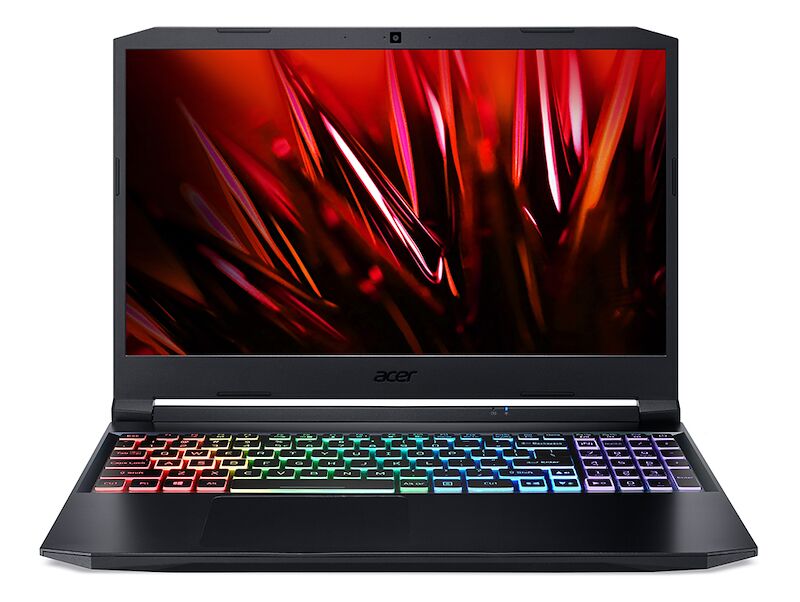
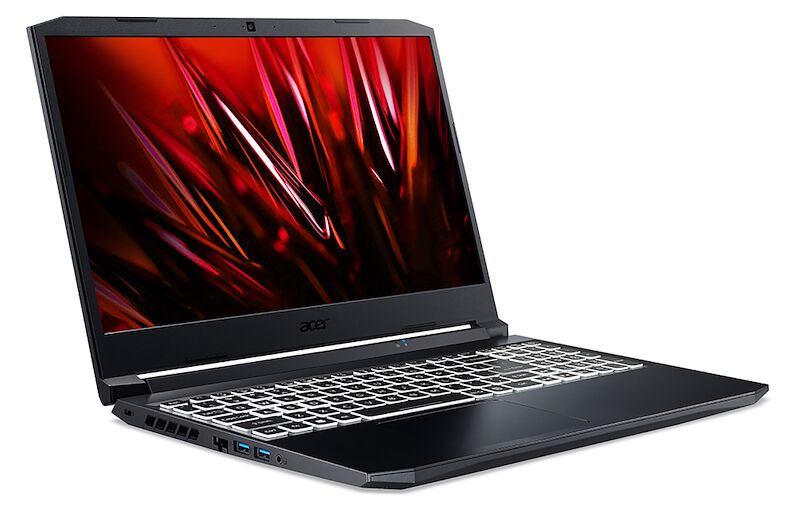
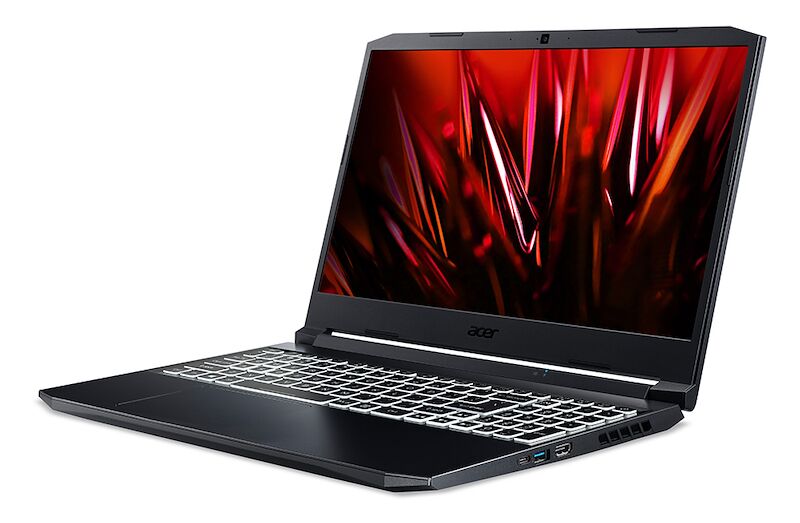
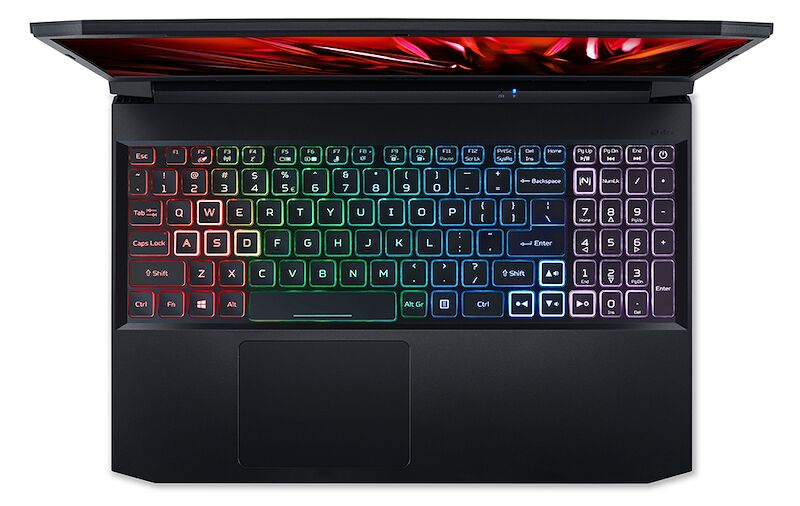
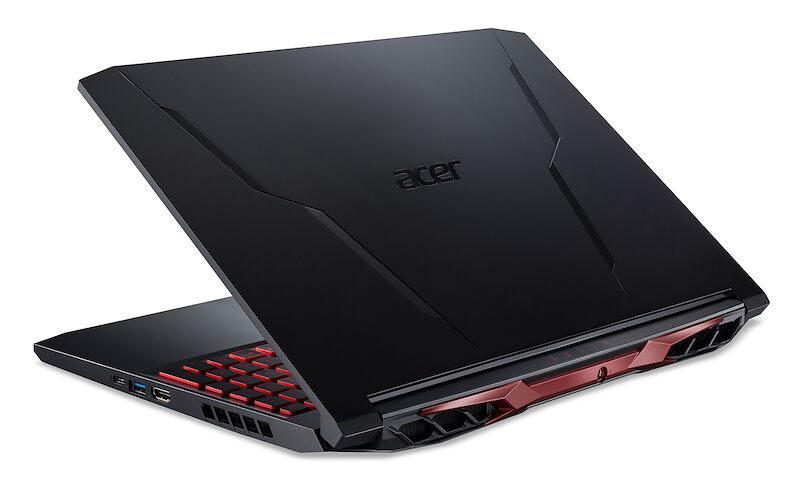
The ACER Nitro 5 series AN515-45-R0YQ laptop features DDR4-SDRAM memory with 2x SO-DIMM slots for RAM upgrades. The memory specifications support a maximum capacity of 32 GB total, operating at 3200 MHz frequency. Compatible RAM modules must use the SO-DIMM form factor. The upgrade configuration allows for flexible memory expansion to enhance system performance on this gaming-focused laptop model.
Memory Upgrade Specifications
| Specification | Value |
|---|---|
| Memory slots | 2x SO-DIMM |
| Form factor | SO-DIMM |
| Memory type | DDR4-SDRAM |
| Frequency | 3200 MHz |
| Maximum RAM | 32 GB |
| Voltage | 1.2V |
| Number of pins | 260-pin |
| Interface | PC4 |
| PC Speed Rating | PC4-3200 (PC4-25600) |
| Bandwidth | 25.6 GB/s |
| Laptop Release date | 12 March 2021 |
Additional Notes
- The Acer Nitro AN515-45-R0YQ contains 2 SO-DIMM slots, meaning both memory modules must be replaced simultaneously to achieve the 32 GB maximum capacity. Upgrading a single slot leaves the system operating in single-channel mode, reducing memory bandwidth by approximately 50% and degrading gaming and content creation performance.
- DDR4-3200 modules function as the specification ceiling. Installing faster DDR4 variants (3600 MHz or higher) will automatically downclock to 3200 MHz through JEDEC enforcement, providing no performance benefit and generating unnecessary expense.
- The SO-DIMM form factor occupies minimal physical space beneath the keyboard deck. Thermal management around upgraded modules depends on existing heatspreader design; aluminum-finned aftermarket modules may contact internal components if the original clearance margin was minimal.
- Warranty preservation requires purchasing DDR4-SDRAM modules from manufacturers maintaining compatibility certification with this platform. Third-party memory lacking explicit Acer qualification carries elevated risk of system instability, even if specifications align identically.
- The 2-slot architecture prevents staged upgrades. Transitioning from 16 GB to 32 GB requires discarding the existing module set entirely, as mismatched frequencies or latencies across different product batches introduce compatibility failure risk despite nominal DDR4-3200 designation.
- Memory bandwidth saturation occurs at 8 GB capacity with this processor generation. Upgrading beyond 16 GB yields diminishing returns for standard applications but remains necessary for parallel workloads (virtual machines, video encoding, 3D rendering) where marginal gains accumulate across sustained operations.