ACER Nitro AN515-52-550N RAM upgrade specifications


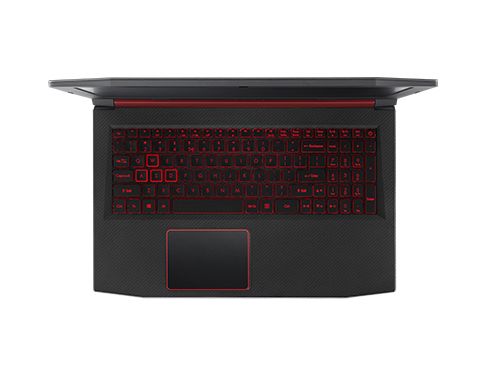
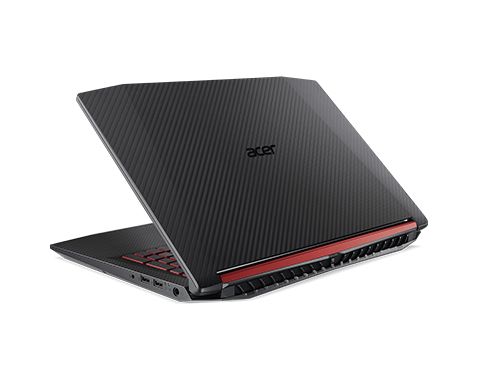

The ACER Nitro 5 Series AN515-52-550N laptop features two SO-DIMM slots for DDR4-SDRAM memory upgrade. The system supports a maximum RAM capacity of 32 GB, with compatible memory operating at 2666 MHz frequency. Current specifications identify the memory form factor as SO-DIMM, enabling users to expand or replace existing RAM modules according to manufacturer compatibility requirements. The upgrade slots accommodate standard DDR4 memory configurations, allowing for system memory expansion up to the maximum supported capacity. Specifications confirm the laptop's memory upgrade potential within stated parameters.
Memory Upgrade Specifications
| Specification | Value |
|---|---|
| Memory slots | 2x SO-DIMM |
| Form factor | SO-DIMM |
| Memory type | DDR4-SDRAM |
| Frequency | 2666 MHz |
| Maximum RAM | 32 GB |
| Voltage | 1.2V |
| Number of pins | 260-pin |
| Interface | PC4 |
| PC Speed Rating | PC4-2666 (PC4-21328) |
| Bandwidth | 21.3 GB/s |
| Laptop Release date | 19 March 2020 |
Additional Notes
- The Acer Nitro AN515-52-550N accepts only DDR4 SO-DIMM modules, excluding all desktop-oriented DIMM form factors regardless of electrical compatibility.
- Both memory slots must be populated with identical specifications to enable dual-channel operation, which doubles theoretical memory bandwidth to 42.6 GB/s compared to single-channel configurations.
- The 32 GB maximum capacity constraint requires either 2x16 GB modules or accepting lower total capacity with smaller module pairs, as 3 or 4 slot configurations are not available.
- Memory speeds exceeding 2666 MHz will downclock to the supported frequency, wasting the cost premium of higher-speed modules rated at 3000 MHz or 3200 MHz.
- Single-rank versus dual-rank module architecture affects memory interleaving performance, with dual-rank modules potentially offering 5-15% better performance in memory-intensive workloads despite identical frequency ratings.
- The SO-DIMM form factor limits thermal headroom compared to desktop memory, making modules with heat spreaders functionally unnecessary and potentially problematic for chassis clearance.
- Mixing modules of different capacities between slots maintains functionality but disables performance-optimal dual-channel mode for the non-matched portion of memory address space.
- JEDEC standard DDR4-2666 operates at 1.2V, while overclocked or non-standard modules requiring voltage adjustments may not function correctly without BIOS support for XMP profiles, which mobile platforms typically lack.
- The chipset memory controller enforces the 2666 MHz limitation regardless of CPU capabilities, making this a platform-level rather than processor-level restriction.
- Non-ECC unbuffered modules represent the only compatible memory type, as SO-DIMM ECC or registered variants target server platforms with incompatible electrical signaling.