ACER Nitro AN517-54-54KS RAM upgrade specifications
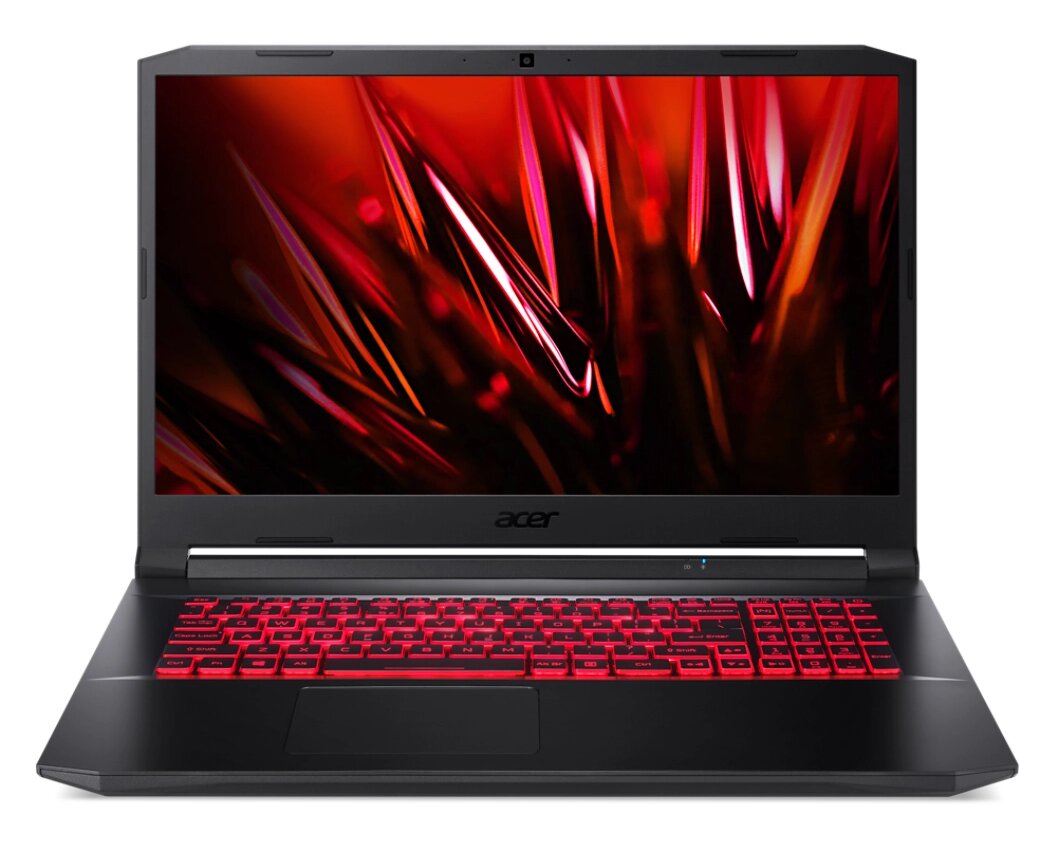
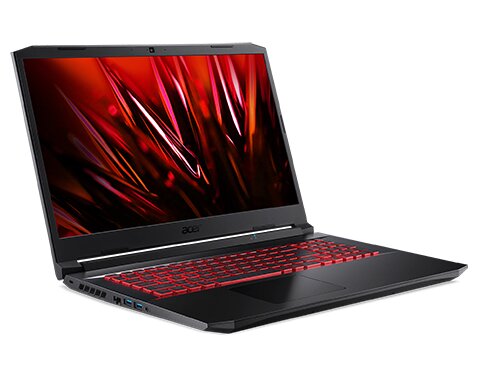
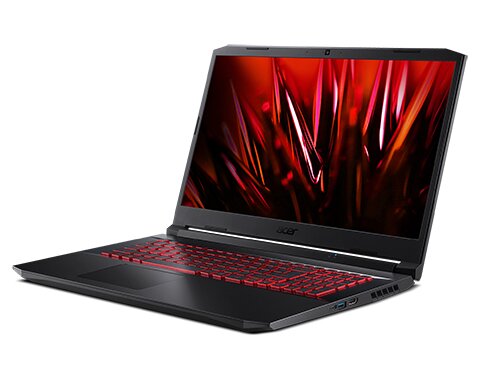
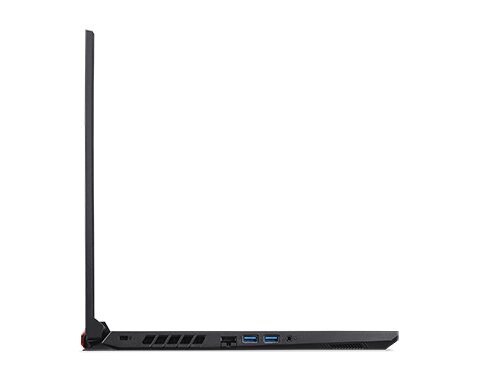
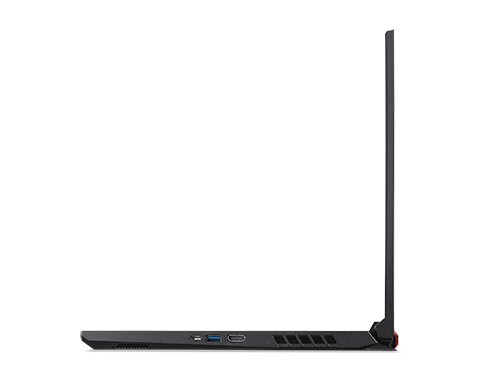
ACER Nitro 5 series model AN517-54-54KS compatible RAM upgrade specifications include DDR4-SDRAM memory operating at 3200 MHz frequency. The laptop contains 2x SO-DIMM memory slots supporting maximum RAM capacity of 32 GB total. Upgrade specifications indicate SO-DIMM form factor compatibility for memory module installation. DDR4 memory upgrade compatibility enables system enhancement to specifications maximum capacity allocation.
Memory Upgrade Specifications
| Specification | Value |
|---|---|
| Memory slots | 2x SO-DIMM |
| Form factor | SO-DIMM |
| Memory type | DDR4-SDRAM |
| Frequency | 3200 MHz |
| Maximum RAM | 32 GB |
| Voltage | 1.2V |
| Number of pins | 260-pin |
| Interface | PC4 |
| PC Speed Rating | PC4-3200 (PC4-25600) |
| Bandwidth | 25.6 GB/s |
| Laptop Release date | 28 August 2022 |
Additional Notes
- The ACER Nitro AN517-54-54KS requires 260-pin SO-DIMM modules rather than standard desktop 288-pin DIMMs, eliminating compatibility with most consumer DDR4 inventory.
- The 32 GB ceiling restricts maximum configuration to dual 16 GB modules, preventing future expansion beyond this threshold regardless of workload demands.
- Native 3200 MHz operation depends on CPU memory controller support; older or budget processors may downclock modules to 2933 MHz or 2666 MHz, negating advertised frequency advantages.
- Dual-channel architecture requires matched module pairs for optimal bandwidth utilization; mixing capacities or speeds will force the system to operate at the lowest common specification.
- The 2-slot configuration eliminates incremental upgrade paths, as reaching 32 GB necessitates discarding both existing modules when upgrading from 16 GB total capacity.
- SO-DIMM density limitations at DDR4-3200 speed grade may restrict availability to specific manufacturers, narrowing vendor options compared to standard 2666 MHz offerings.
- Module height clearance beneath the service panel depends on chassis design; aftermarket heat spreaders exceeding JEDEC standards risk physical interference during installation.
- Warranty preservation typically requires non-destructive installation using the designated service access panel rather than full bottom cover removal.
- ECC memory modules remain incompatible despite physical form factor match, as consumer chipsets lack error correction functionality.
- Latency timings beyond CL22 may induce stability issues under sustained loads even when XMP profiles exist, requiring manual timing adjustments in BIOS.