ACER Nitro AN517-55-77MX RAM upgrade specifications
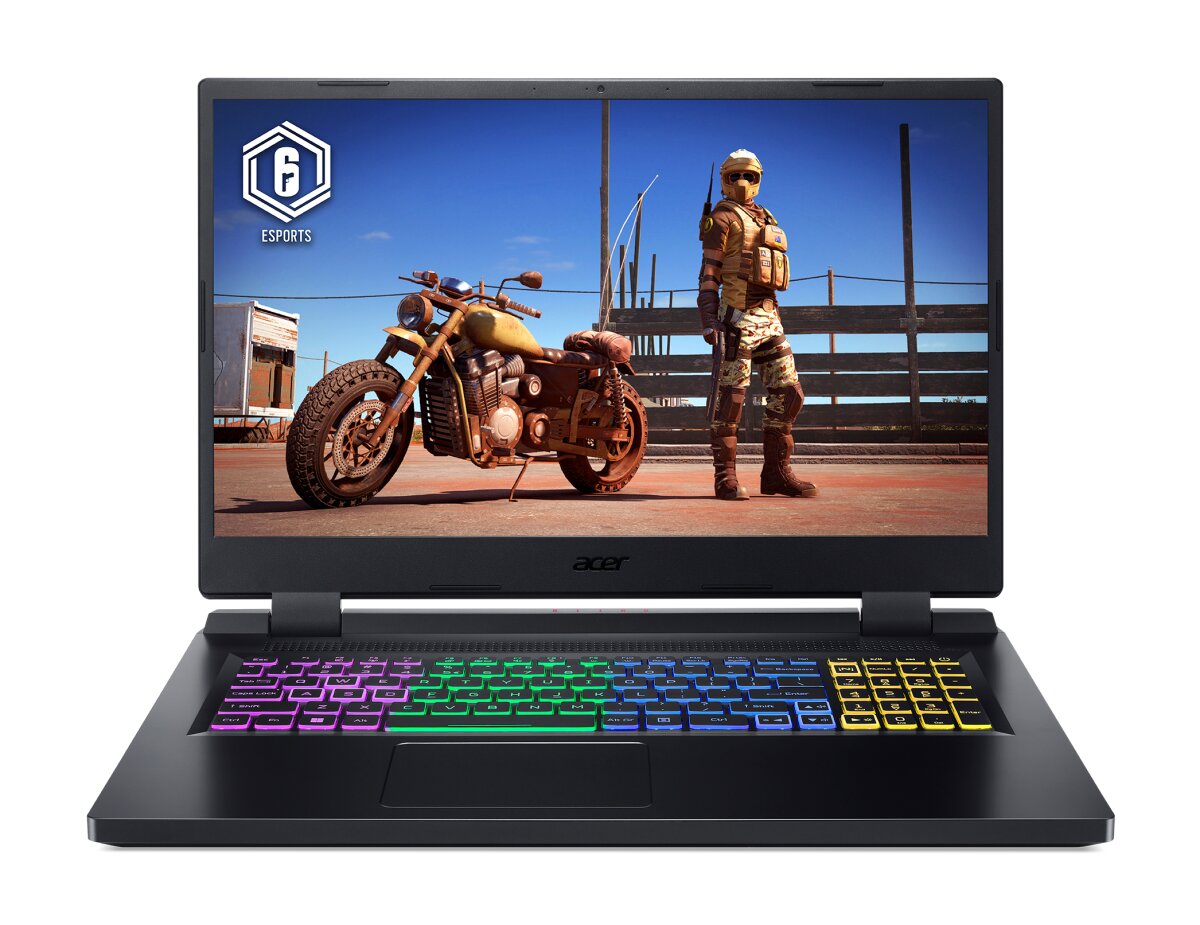
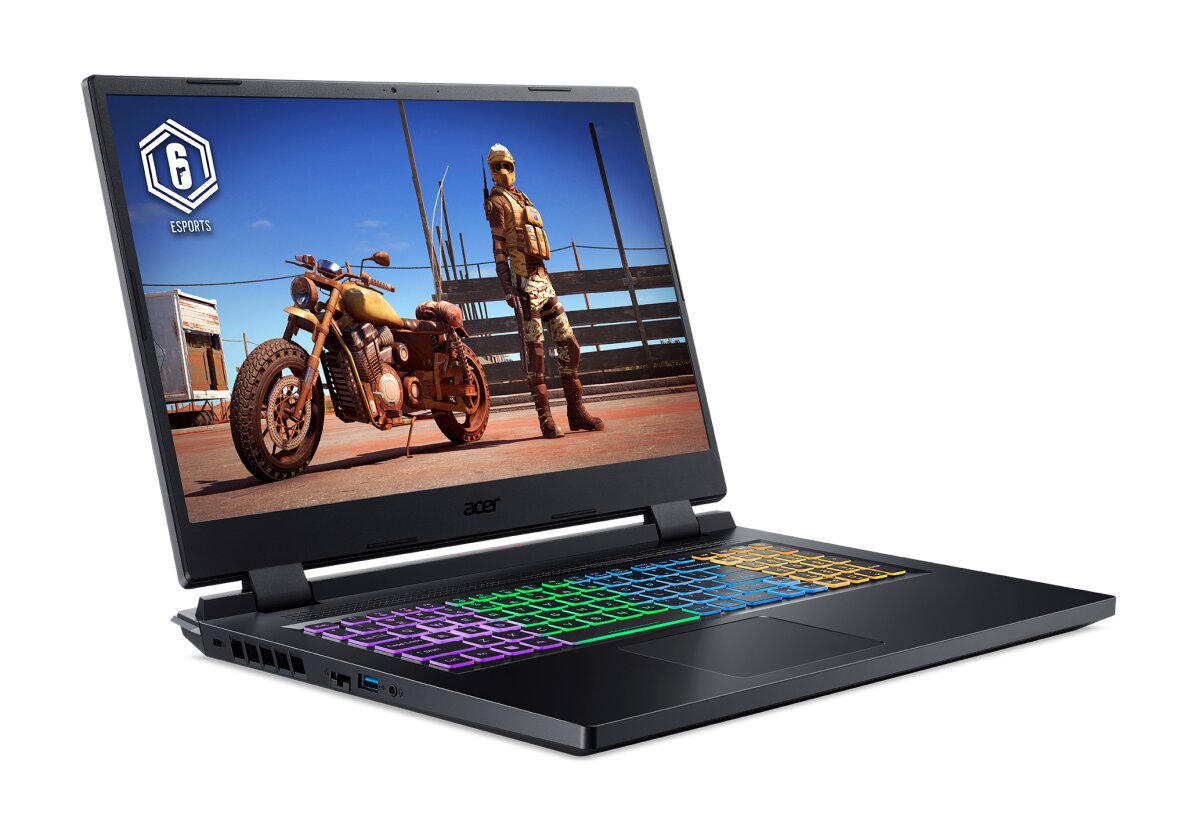
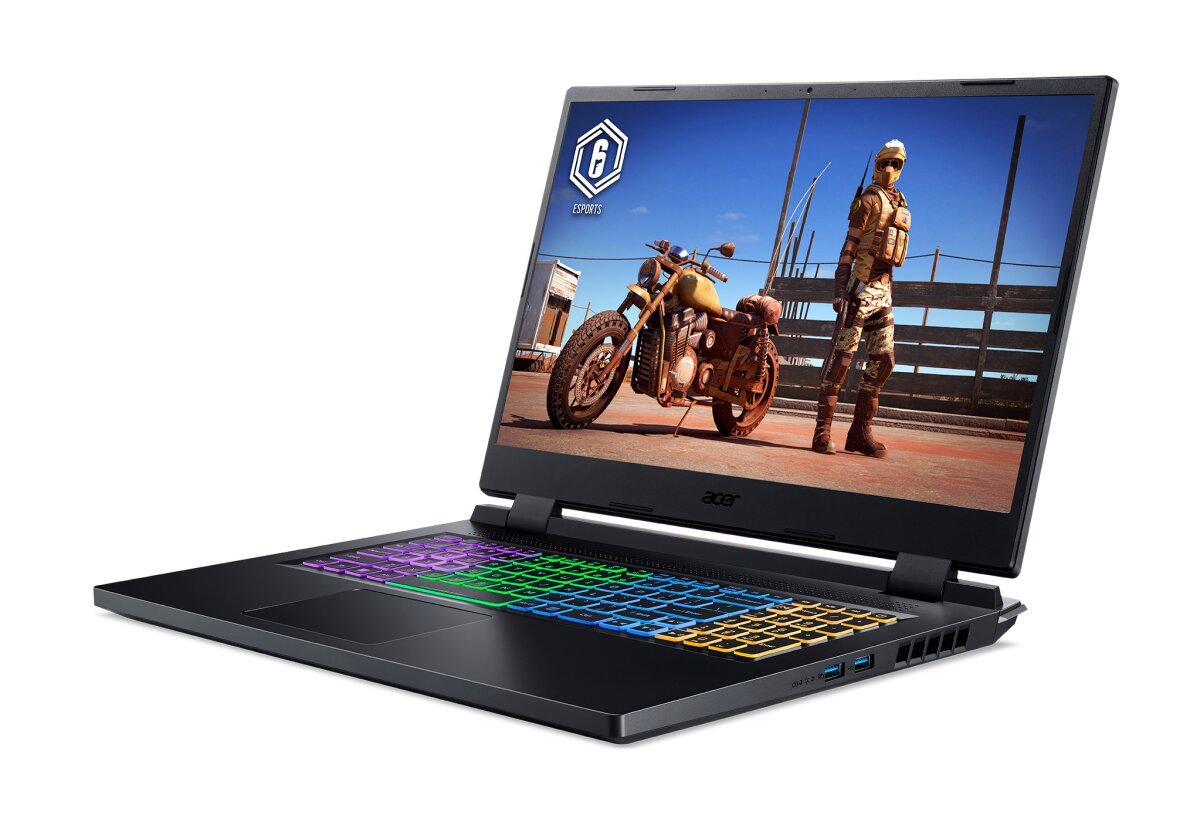
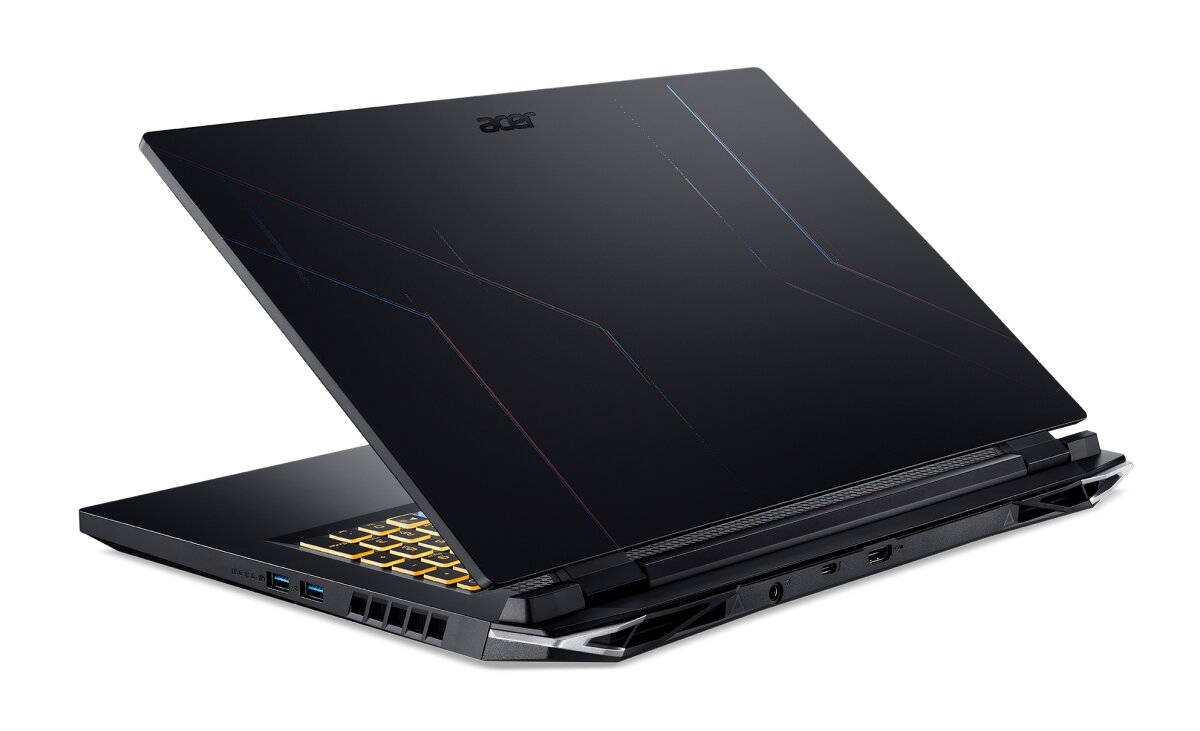
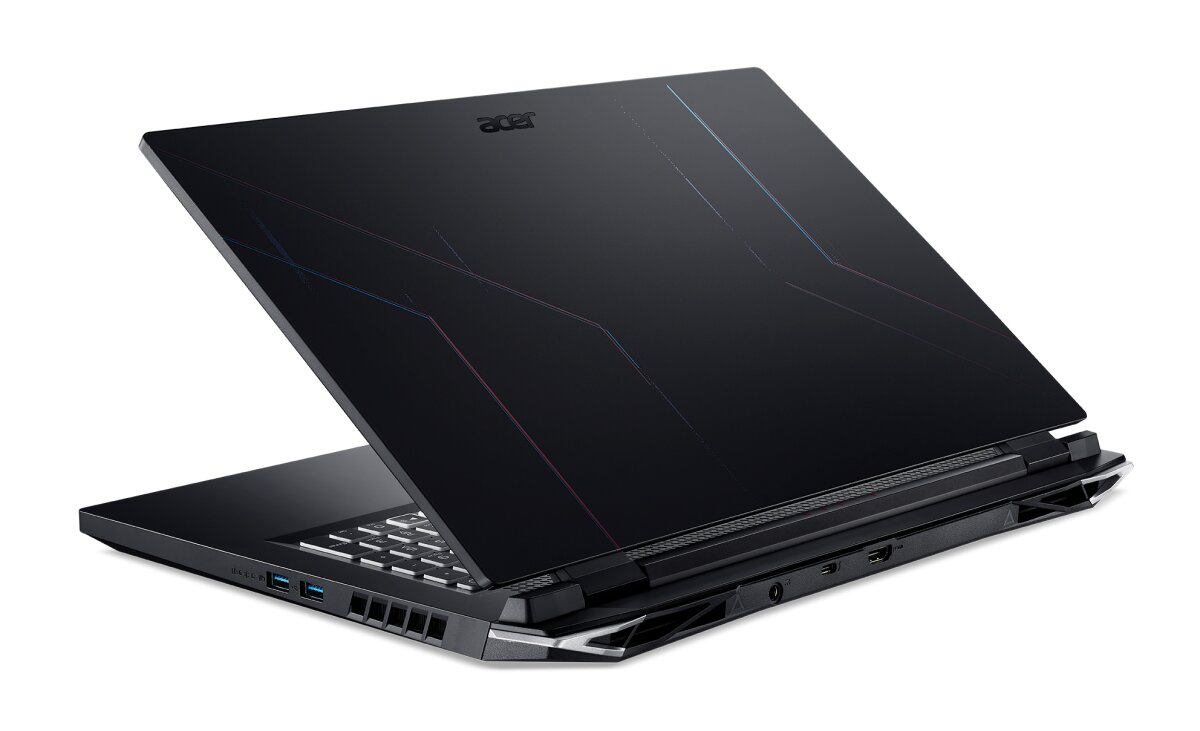
ACER Nitro 5 series model AN517-55-77MX contains two SO-DIMM memory slots supporting DDR4-SDRAM specifications. Maximum RAM capacity reaches 32 GB total. Compatible memory operates at 3200 MHz frequency. Upgrade specifications enable installation of higher-capacity DDR4 modules within slot compatibility parameters. Standard configuration accommodates memory expansion through available SO-DIMM slots on the laptop motherboard.
Memory Upgrade Specifications
| Specification | Value |
|---|---|
| Memory slots | 2x SO-DIMM |
| Form factor | SO-DIMM |
| Memory type | DDR4-SDRAM |
| Frequency | 3200 MHz |
| Maximum RAM | 32 GB |
| Voltage | 1.2V |
| Number of pins | 260-pin |
| Interface | PC4 |
| PC Speed Rating | PC4-3200 (PC4-25600) |
| Bandwidth | 25.6 GB/s |
| Laptop Release date | 04 February 2022 |
Additional Notes
- The Acer Nitro AN517-55-77MX uses dual SO-DIMM slots, meaning both existing modules must be removed simultaneously to access either slot, increasing installation time compared to laptops with more accessible configurations.
- DDR4-3200 memory operates within standard laptop parameters, but upgrading to faster DDR4 modules (3600 MHz or higher) will not improve performance on this platform as the system is locked to 3200 MHz operation by the motherboard controller.
- The 32 GB maximum capacity ceiling creates a hard limit; configurations beyond 2x16 GB are not supported, making this system unsuitable for future workloads requiring 64 GB or greater memory pools.
- SO-DIMM installation requires removal of the system's bottom panel or access hatch, which typically voids certain warranty components unless the procedure is performed by authorized service centers; users should verify warranty terms before self-service upgrades.
- Upgrade from stock configuration to maximum capacity (32 GB) will not eliminate memory bandwidth bottlenecks if the processor lacks sufficient cache or if other system components operate at lower speeds, potentially resulting in modest real-world performance gains in non-memory-intensive applications.
- The DDR4 platform indicates a 10th or 11th generation Intel processor; this generation lacks native support for DDR5, meaning memory upgrades are confined to DDR4 stock, with no future upgrade pathway to faster memory standards without motherboard replacement.