ACER Nitro N515-55-78CW RAM upgrade specifications



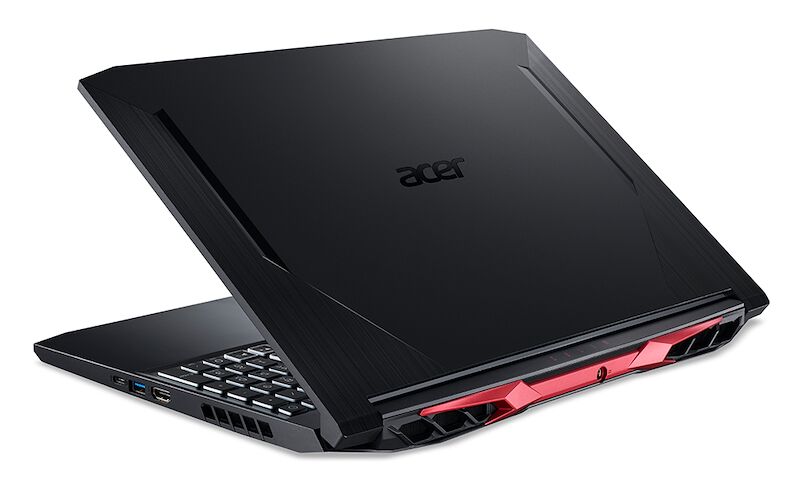
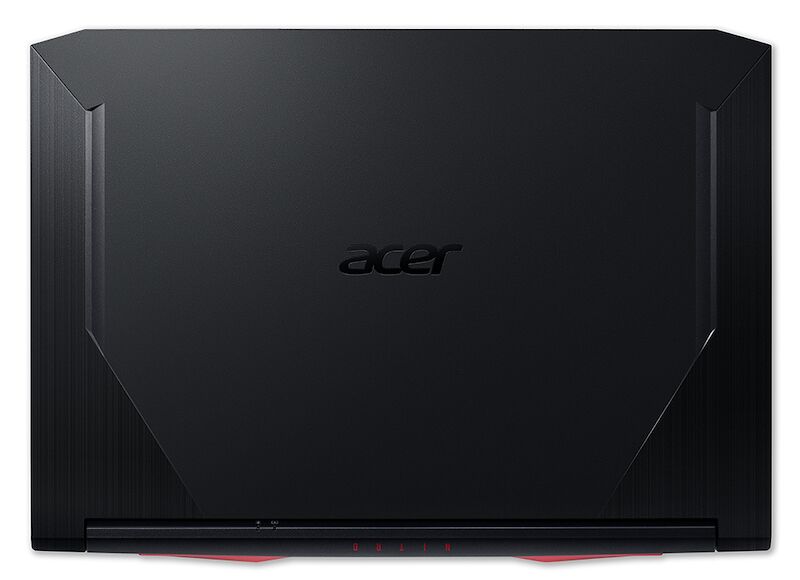
The ACER Nitro 5 series model N515-55-78CW features two SO-DIMM memory slots supporting DDR4-SDRAM upgrade specifications. Compatible RAM modules operate at 2933 MHz frequency with maximum capacity of 32 GB total memory. The laptop supports RAM upgrades through dual SO-DIMM slots, allowing users to expand system memory up to the specified maximum capacity. Upgrade specifications include DDR4 memory type with SO-DIMM form factor for compatible module installation.
Memory Upgrade Specifications
| Specification | Value |
|---|---|
| Memory slots | 2x SO-DIMM |
| Form factor | SO-DIMM |
| Memory type | DDR4-SDRAM |
| Frequency | 2933 MHz |
| Maximum RAM | 32 GB |
| Voltage | 1.2V |
| Number of pins | 260-pin |
| Interface | PC4 |
| PC Speed Rating | PC4-2933 (PC4-23464) |
| Bandwidth | 23.5 GB/s |
| Laptop Release date | 24 May 2021 |
Additional Notes
- The Acer Nitro N515-55-78CW supports DDR4-SDRAM modules exclusively; DDR5 memory remains incompatible despite availability in newer systems, restricting upgrade sources to legacy inventory or secondary markets.
- Dual SO-DIMM slots mean both memory modules must be replaced simultaneously to reach the 32 GB ceiling; single-module upgrades cap at 16 GB and forfeit dual-channel bandwidth benefits.
- The 2933 MHz frequency specification indicates the system controller's rated speed ceiling; matched pairs operating at this frequency are required to prevent speed negotiation downgrades when mixed with slower modules.
- SO-DIMM form factor demands laptop-specific modules rather than desktop DDR4 variants, creating higher per-gigabyte costs and requiring vendor verification before purchase to avoid return logistics.
- Upgrading from factory configuration to 32 GB removes the last accessible user-serviceable memory component; subsequent capacity expansion becomes impossible without motherboard replacement.
- The 2-slot architecture eliminates redundancy; a single module failure leaves no fallback configuration and forces complete replacement rather than selective module repair.