ACER Predator G3-572-74FZ RAM upgrade specifications
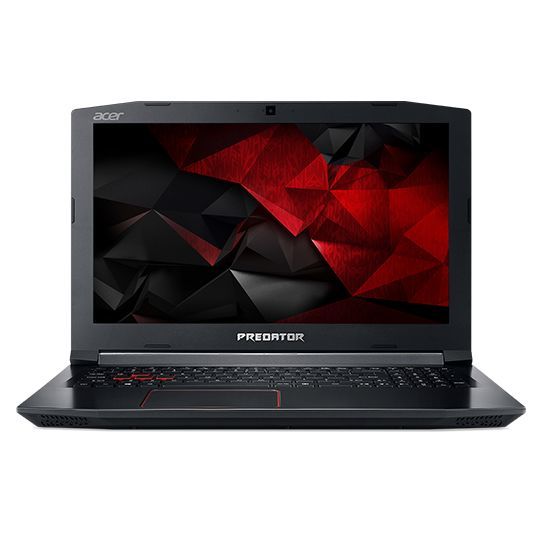
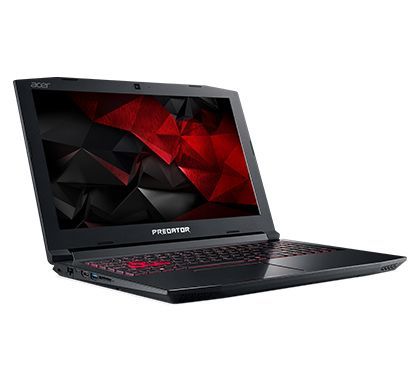
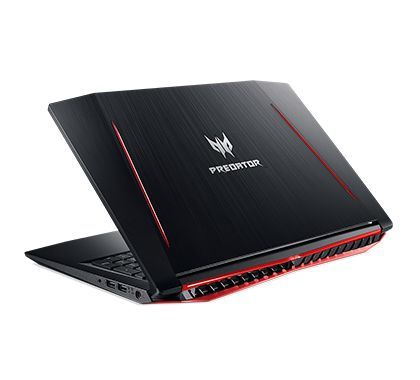
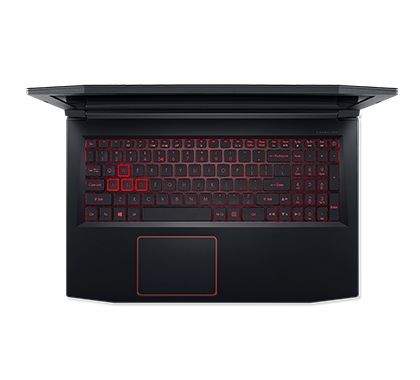
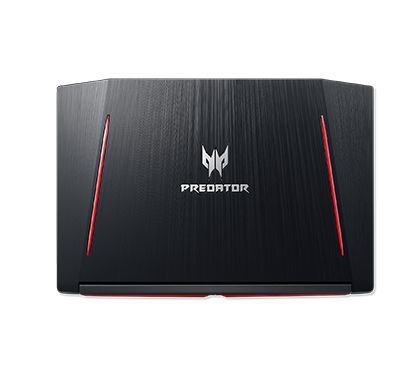
The Acer Predator Helios 300 G3-572-74FZ laptop features two SO-DIMM memory slots supporting DDR4-SDRAM upgrade capacity. The RAM specifications indicate maximum memory capacity of 32 GB total, with compatible modules operating at 2400 MHz frequency. Upgrade options allow for dual-channel memory configuration to enhance system performance. The SO-DIMM form factor ensures compatibility with standard laptop memory modules. DDR4 technology provides efficient power consumption and improved bandwidth for gaming and multitasking applications on the Helios 300 series platform.
Memory Upgrade Specifications
| Specification | Value |
|---|---|
| Memory slots | 2x SO-DIMM |
| Form factor | SO-DIMM |
| Memory type | DDR4-SDRAM |
| Frequency | 2400 MHz |
| Maximum RAM | 32 GB |
| Voltage | 1.2V |
| Number of pins | 260-pin |
| Interface | PC4 |
| PC Speed Rating | PC4-2400 (PC4-19200) |
| Bandwidth | 19.2 GB/s |
| Laptop Release date | 10 August 2017 |
Additional Notes
- Dual-channel memory architecture is accessible only when both slots are occupied by matching modules, which doubles the theoretical bandwidth compared to single-stick configurations.
- The chipset imposes a hard upper limit on memory addressing that prevents the use of 32 GB modules, restricting the maximum capacity per slot to 16 GB.
- Installation of memory modules with frequencies exceeding 2400 MHz will result in automatic downclocking to match the system bus speed defined by the processor controller.
- The SO-DIMM form factor necessitates 260-pin modules and excludes the use of standard desktop DIMM hardware or older DDR3 components due to physical notch misalignment.
- Upgrading to the 32 GB threshold requires the replacement of existing factory modules because the motherboard lacks additional vacant expansion headers.
- Latencies are determined by the slowest installed module, meaning mixing modules with different CAS latency ratings will force the system to operate at the least efficient timing profile.
- Non-ECC unbuffered memory is required because the motherboard circuitry lacks the extra data lines necessary for Error Correction Code functionality.
- Physical access to the memory slots involves removing the base enclosure, which may require specific tools to avoid damaging the plastic clips or stripping the chassis screws.