ACER Predator PH315-54-778U RAM upgrade specifications




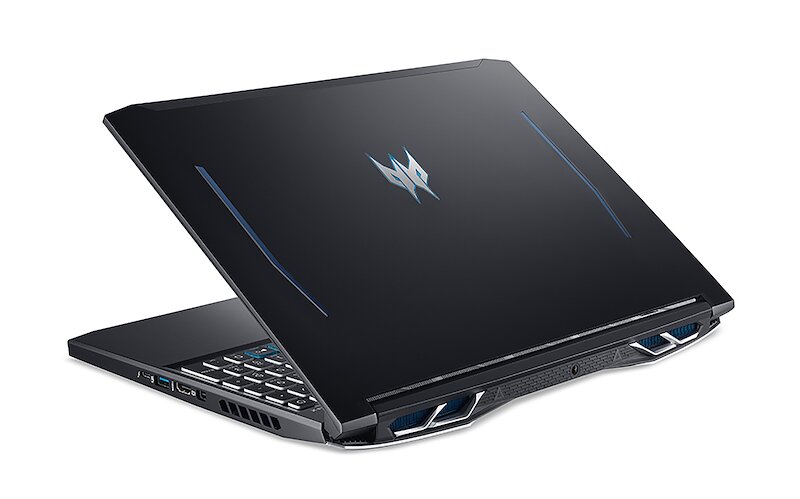
The ACER Predator Helios 300 model PH315-54-778U features two SO-DIMM slots supporting DDR4-SDRAM memory upgrades. The laptop specifications indicate maximum RAM capacity of 32 GB total, with compatible memory operating at 3200 MHz frequency. Current upgrade options allow installation of DDR4 SO-DIMM modules in both available slots to achieve the maximum supported capacity. Memory compatibility requires DDR4-SDRAM form factor modules matching the specified frequency and slot configuration for optimal performance with the Helios 300 series specifications.
Memory Upgrade Specifications
| Specification | Value |
|---|---|
| Memory slots | 2x SO-DIMM |
| Form factor | SO-DIMM |
| Memory type | DDR4-SDRAM |
| Frequency | 3200 MHz |
| Maximum RAM | 32 GB |
| Voltage | 1.2V |
| Number of pins | 260-pin |
| Interface | PC4 |
| PC Speed Rating | PC4-3200 (PC4-25600) |
| Bandwidth | 25.6 GB/s |
| Laptop Release date | 28 September 2021 |
Additional Notes
- The ACER Predator PH315-54-778U supports a total capacity of 32 GB across both slots, limiting configurations to either 2x16 GB modules or asymmetric pairings that may sacrifice dual-channel bandwidth efficiency.
- DDR4-3200 represents the maximum JEDEC-standard speed supported by the platform, meaning modules rated for higher frequencies will downclock to 3200 MHz regardless of XMP/DOCP profile capabilities.
- Installing modules with mismatched speeds across slots forces both to operate at the lowest common frequency, creating a performance penalty in memory-intensive workloads.
- SO-DIMM form factor modules typically cost more per gigabyte than desktop DIMM equivalents while offering identical DDR4 specifications, affecting upgrade budget planning.
- Single-rank versus dual-rank module architecture impacts memory bandwidth, with dual-rank configurations often providing 5-10% higher throughput in applications that saturate memory channels.
- The 2-slot limitation prevents future expansion beyond 32 GB without replacing existing modules entirely, eliminating incremental upgrade paths once both slots are populated.
- Non-matching capacity modules installed simultaneously will operate in dual-channel mode only up to the capacity of the smaller module, reverting to single-channel for the excess capacity on the larger stick.
- CAS latency variations between otherwise identical frequency modules create timing synchronization issues, potentially causing POST failures or forcing the system to apply conservative timings that degrade performance.
- Installation requires accessing the bottom panel of the chassis, where warranty seal placement varies by region and may affect coverage validity depending on local consumer protection regulations.
- DDR4 voltage tolerance ranges from 1.2V to 1.35V, with non-standard voltages potentially causing thermal throttling in compact laptop cooling designs or triggering protective shutdowns under sustained loads.