ACER Predator PH317-51-766W RAM upgrade specifications



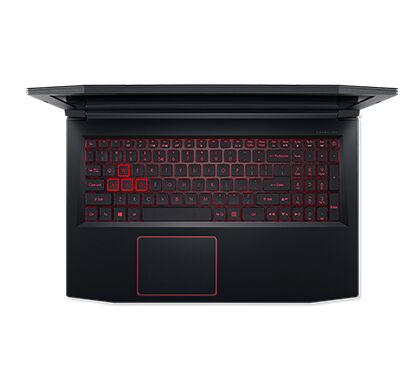
The ACER Predator Helios 300 PH317-51-766W features DDR4-SDRAM memory upgrades with two SO-DIMM slots supporting maximum capacity of 32 GB. Compatible memory modules operate at 2400 MHz frequency. The laptop specifications indicate dual SO-DIMM form factor slots, allowing for RAM upgrade configurations up to 32 GB total capacity. Memory upgrade options for the Predator Helios 300 series support DDR4-SDRAM technology with standard SO-DIMM compatibility.
Memory Upgrade Specifications
| Specification | Value |
|---|---|
| Memory slots | 2x SO-DIMM |
| Form factor | SO-DIMM |
| Memory type | DDR4-SDRAM |
| Frequency | 2400 MHz |
| Maximum RAM | 32 GB |
| Voltage | 1.2V |
| Number of pins | 260-pin |
| Interface | PC4 |
| PC Speed Rating | PC4-2400 (PC4-19200) |
| Bandwidth | 19.2 GB/s |
| Laptop Release date | 05 January 2018 |
Additional Notes
- The ACER Predator PH317-51-766W accepts only DDR4 modules, excluding compatibility with older DDR3 or DDR3L memory due to voltage and pin configuration differences.
- The 2400 MHz frequency represents the maximum officially supported speed, meaning higher-frequency modules will automatically downclock to this specification.
- The 32 GB maximum capacity requires a 16 GB module in each slot, as 2 slots cannot accommodate 32 GB through any other configuration.
- SO-DIMM form factor indicates this platform uses laptop-sized modules approximately 67.6 mm in length, incompatible with standard desktop DIMM modules that measure 133.35 mm.
- Dual-channel memory architecture becomes possible when identical capacity modules occupy both slots, doubling theoretical memory bandwidth compared to single-module configurations.
- Memory voltage specifications for DDR4 standard require 1.2V modules, while non-standard high-performance modules requiring 1.35V or higher may cause instability or boot failure.
- The 2-slot limitation means capacity upgrades require replacing existing modules rather than adding to them when both slots are already populated.
- CAS latency timings interact with the 2400 MHz frequency to determine actual memory access speeds, with CL17 being typical for this speed grade.
- Non-ECC unbuffered modules represent the only compatible type, as SO-DIMM slots in consumer laptops lack support for registered or error-correcting memory.
- Mixing modules with different specifications across the 2 slots may force the system to operate at the lowest common denominator for speed and timings.