ACER Predator PH317-53-727B RAM upgrade specifications



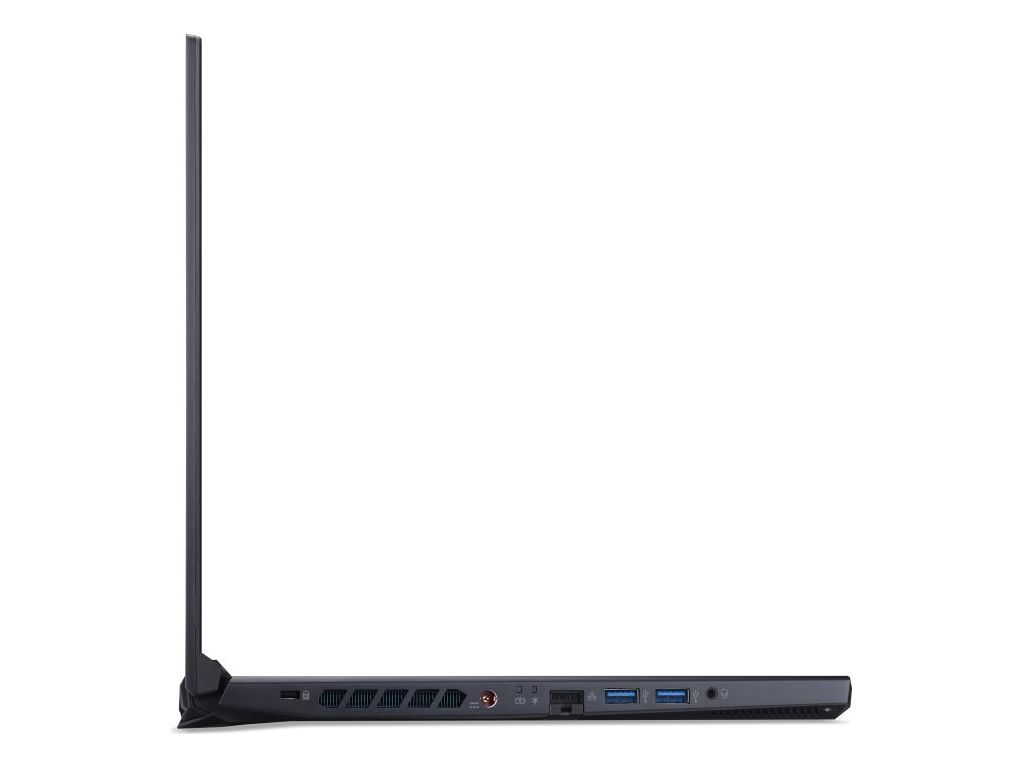
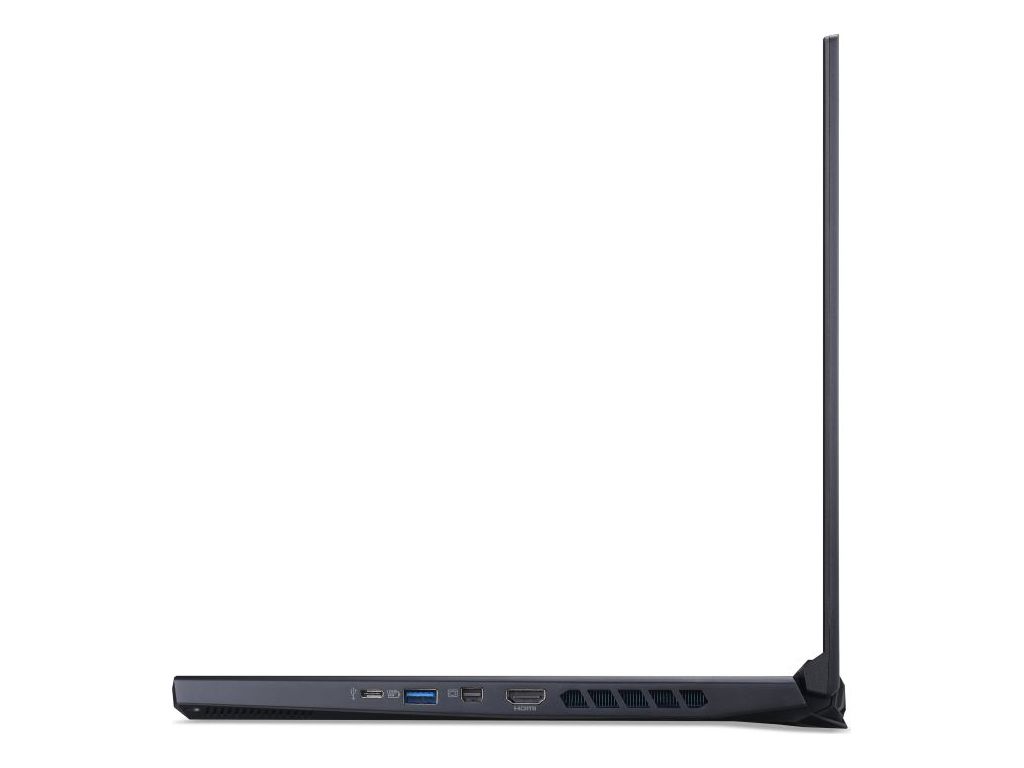
ACER Predator Helios 300 model PH317-53-727B features DDR4-SDRAM memory upgrade capacity with 2x SO-DIMM slots. Specifications indicate maximum RAM expansion to 32 GB total capacity. Compatible SO-DIMM modules operate at 2666 MHz frequency. Upgrade slots accommodate standard DDR4 memory modules meeting Predator Helios 300 specifications for enhanced system performance.
Memory Upgrade Specifications
| Specification | Value |
|---|---|
| Memory slots | 2x SO-DIMM |
| Form factor | SO-DIMM |
| Memory type | DDR4-SDRAM |
| Frequency | 2666 MHz |
| Maximum RAM | 32 GB |
| Voltage | 1.2V |
| Number of pins | 260-pin |
| Interface | PC4 |
| PC Speed Rating | PC4-2666 (PC4-21328) |
| Bandwidth | 21.3 GB/s |
| Laptop Release date | 19 May 2019 |
Additional Notes
- The ACER Predator PH317-53-727B accepts only SO-DIMM modules, which means standard desktop DIMM memory modules are physically incompatible due to different pin counts and physical dimensions.
- The 32 GB maximum capacity limitation is a chipset-enforced constraint, meaning installing higher-capacity modules may result in unrecognized memory or system instability regardless of module quality.
- Mixing modules with different speeds will force all installed memory to operate at the lowest common frequency, potentially reducing effective bandwidth below the 2666 MHz specification.
- Single-channel configuration resulting from populating only 1 slot halves the theoretical memory bandwidth compared to dual-channel operation, creating potential performance bottlenecks in memory-intensive applications.
- DDR4-2666 modules with CAS latencies above CL19 may introduce additional access delays that compound with existing system latency, affecting applications sensitive to memory responsiveness.
- Non-JEDEC standard voltage modules requiring XMP profiles may fail to initialize properly if the system firmware lacks manual voltage adjustment options, limiting compatibility to JEDEC-compliant 1.2V modules.
- Modules exceeding standard SO-DIMM height specifications may create physical interference with thermal management components in compact laptop chassis designs.
- Installing unbuffered modules is mandatory since the SO-DIMM form factor and consumer chipset architecture do not support registered or load-reduced memory types.
- Warranty preservation typically requires avoiding disassembly of units with tamper-evident seals over memory compartment access panels, necessitating verification of seal placement before upgrade attempts.
- Asymmetric memory configurations pairing modules of different capacities can disable dual-channel mode or limit it to the size of the smaller module, reducing effective bandwidth utilization.