ACER Predator PH317-53-75C1 RAM upgrade specifications



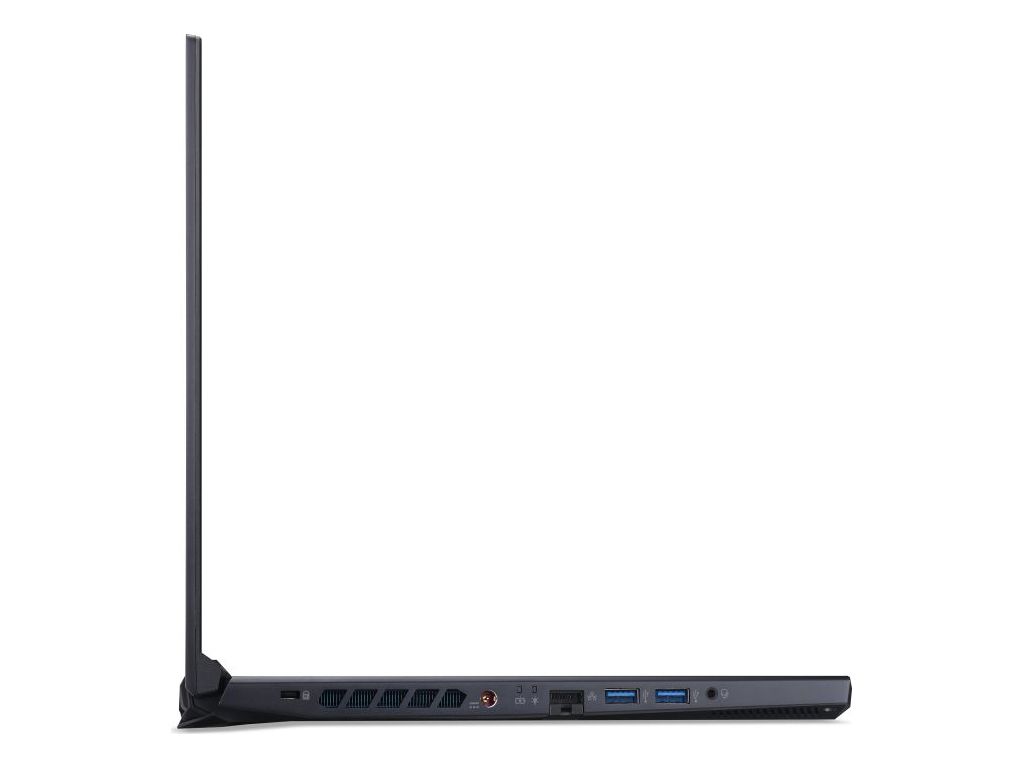
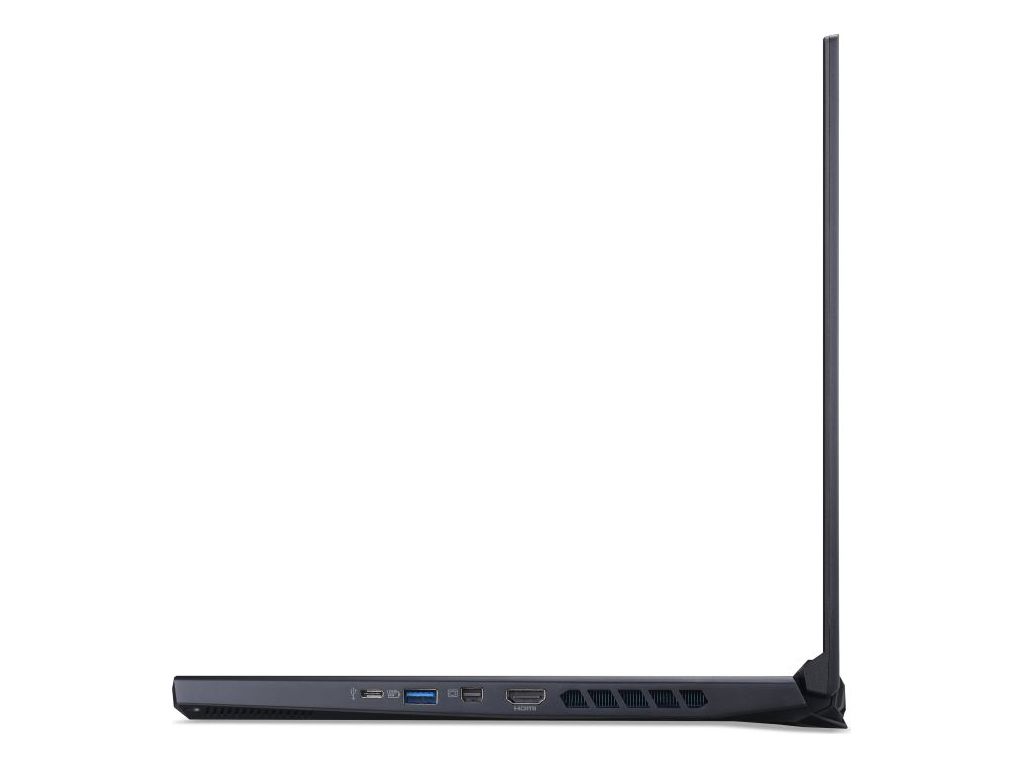
ACER Predator Helios 300 model PH317-53-75C1 features DDR4-SDRAM memory with 2 SO-DIMM upgrade slots. Maximum RAM capacity reaches 32 GB total. Memory specifications include 2666 MHz frequency operation. Compatible RAM upgrades utilize SO-DIMM form factor modules. Current memory configuration and available slot capacity determine upgrade options for this laptop model.
Memory Upgrade Specifications
| Specification | Value |
|---|---|
| Memory slots | 2x SO-DIMM |
| Form factor | SO-DIMM |
| Memory type | DDR4-SDRAM |
| Frequency | 2666 MHz |
| Maximum RAM | 32 GB |
| Voltage | 1.2V |
| Number of pins | 260-pin |
| Interface | PC4 |
| PC Speed Rating | PC4-2666 (PC4-21328) |
| Bandwidth | 21.3 GB/s |
| Laptop Release date | 19 May 2019 |
Additional Notes
- The Acer Predator PH317-53-75C1 accepts only SO-DIMM modules, which excludes standard desktop DIMM memory physically incompatible with laptop motherboard sockets.
- DDR4-SDRAM compatibility requires voltage regulation at 1.2V, preventing installation of DDR3 or DDR3L modules that operate at different electrical specifications.
- The 32 GB maximum capacity enforces a 16 GB per slot configuration limit, rejecting recognition of higher-density modules even when physically installed.
- Native 2666 MHz frequency support allows installation of faster modules rated at 3200 MHz or higher, though the system will downclock them to the supported specification.
- Dual-slot architecture enables dual-channel operation when matching modules occupy both sockets, doubling memory bandwidth compared to single-channel configurations.
- Mismatched module speeds across slots trigger automatic downclocking to the slower module's frequency, reducing potential bandwidth gains.
- Processor and chipset compatibility determines whether ECC or registered memory functions, though most consumer laptops reject these enterprise-grade module types.
- SO-DIMM rank configuration affects compatibility, with some systems refusing quad-rank modules despite meeting capacity and speed specifications.
- Removal of factory-installed modules typically preserves manufacturer warranty terms, unlike soldered memory systems where upgrades void coverage entirely.
- Heat dissipation constraints in laptop chassis make modules without excessive heat spreaders preferable for maintaining thermal specifications during sustained workloads.