ACER Predator PT515-52-79U3 RAM upgrade specifications



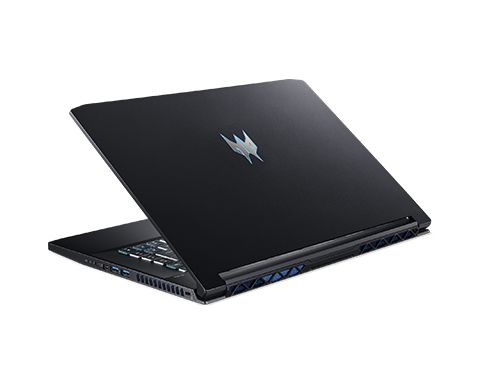
The ACER Predator Triton 500 PT515-52-79U3 laptop features DDR4-SDRAM memory with dual SO-DIMM slots for RAM upgrades. The system supports a maximum capacity of 32 GB total memory, operating at 2933 MHz frequency. Memory specifications indicate compatible SO-DIMM form factor modules for upgrade configurations. The two available slots enable flexible memory expansion to optimize the laptop's maximum performance capabilities and multitasking capacity.
Memory Upgrade Specifications
| Specification | Value |
|---|---|
| Memory slots | 2x SO-DIMM |
| Form factor | SO-DIMM |
| Memory type | DDR4-SDRAM |
| Frequency | 2933 MHz |
| Maximum RAM | 32 GB |
| Voltage | 1.2V |
| Number of pins | 260-pin |
| Interface | PC4 |
| PC Speed Rating | PC4-2933 (PC4-23464) |
| Bandwidth | 23.5 GB/s |
| Laptop Release date | 22 May 2020 |
Additional Notes
- The 32 GB ceiling requires 2 matching 16 GB modules since only 2 SO-DIMM slots exist, eliminating the option to preserve existing memory during upgrades.
- DDR4-2933 operates below the maximum theoretical bandwidth of DDR4-3200, limiting peak memory throughput to approximately 23.5 GB/s per channel in dual-channel configuration.
- SO-DIMM form factor restricts thermal headroom compared to desktop UDIMM modules, potentially affecting sustained performance under prolonged high-memory workloads typical in gaming or content creation.
- The ACER Predator PT515-52-79U3 accepts standard JEDEC DDR4-2933 voltage specifications at 1.2V, preventing compatibility with low-voltage or overclocked modules that may void system stability guarantees.
- Dual-channel architecture requires symmetric module pairing for optimal bandwidth utilization; mismatched capacities force the controller into asymmetric or single-channel modes, reducing effective throughput by up to 50%.
- Accessing SO-DIMM slots typically requires bottom panel removal and potential warranty seal disruption, depending on regional service policies and manufacture date.
- CAS latency tolerances at 2933 MHz (typically CL21 for JEDEC standard) directly impact minimum memory access times, with approximately 14.3 nanoseconds latency floor affecting latency-sensitive applications.
- Non-ECC unbuffered modules remain the only compatible architecture, as SO-DIMM registered or ECC variants exceed the platform's memory controller specifications.
- Module height exceeding 30mm may create clearance conflicts with adjacent cooling assemblies or chassis components in compact gaming laptop designs.
- The 2933 MHz native frequency prevents utilizing higher-speed rated modules at their advertised specifications, as the memory controller enforces downclocking to supported speeds.