ACER Predator PT715-51-75U1 RAM upgrade specifications


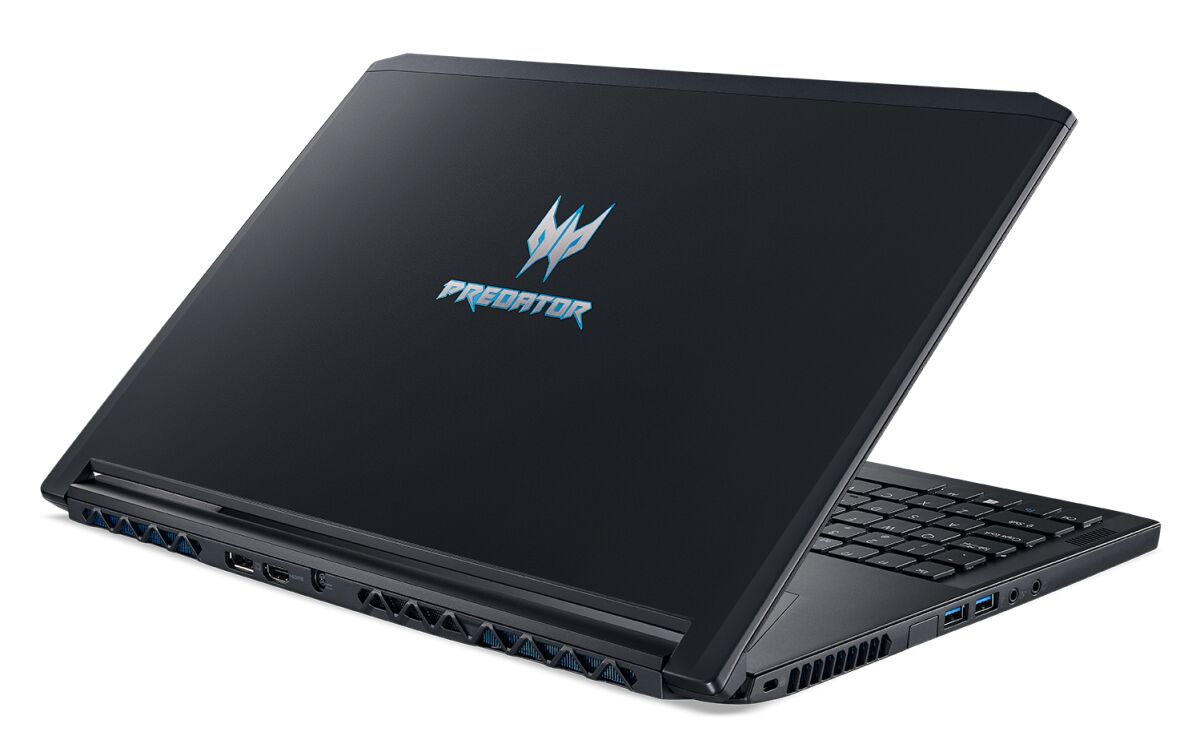
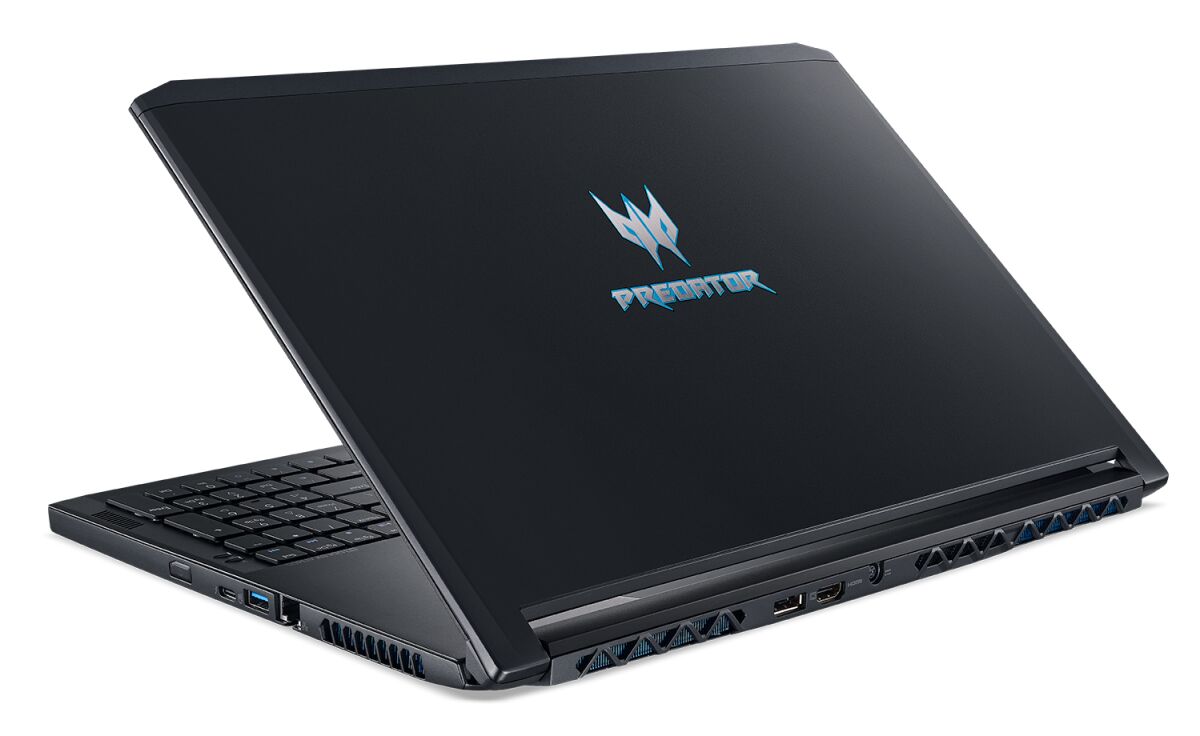

The ACER Predator Triton 700 PT715-51-75U1 laptop features DDR4-SDRAM memory architecture with dual SO-DIMM slots supporting maximum RAM capacity of 32 GB. Memory upgrade specifications indicate SO-DIMM form factor modules operating at 2400 MHz frequency. The system accommodates compatible DDR4 memory modules for performance enhancement. Existing memory configuration allows replacement and expansion through available slots, enabling users to reach the maximum supported capacity of 32 GB RAM for enhanced multitasking and processing capabilities.
Memory Upgrade Specifications
| Specification | Value |
|---|---|
| Memory slots | 2x SO-DIMM |
| Form factor | SO-DIMM |
| Memory type | DDR4-SDRAM |
| Frequency | 2400 MHz |
| Maximum RAM | 32 GB |
| Voltage | 1.2V |
| Number of pins | 260-pin |
| Interface | PC4 |
| PC Speed Rating | PC4-2400 (PC4-19200) |
| Bandwidth | 19.2 GB/s |
| Laptop Release date | 09 January 2019 |
Additional Notes
- The ACER Predator PT715-51-75U1 accepts only non-ECC unbuffered modules, as standard SO-DIMM DDR4 configurations exclude registered or error-correcting memory types used in server environments.
- Modules must operate at 1.2V to comply with DDR4 power specifications, as higher voltage DDR3L or DDR3 modules physically incompatible despite similar pin counts.
- The 2400 MHz specification represents the maximum validated frequency, meaning faster modules will downclock automatically to this speed regardless of their rated capability.
- Dual-channel architecture requires matched modules in both slots to achieve maximum memory bandwidth of 38.4 GB/s, while mismatched configurations force single-channel operation at half that throughput.
- The 32 GB ceiling limits individual module capacity to 16 GB per slot, preventing use of newer 32 GB SO-DIMMs that exceed chipset addressing capabilities.
- CAS latency ratings between CL15 and CL17 maintain compatibility with the integrated memory controller, while higher latencies may introduce stability issues during POST.
- Modules exceeding 31mm height risk physical interference with keyboard assemblies in slim gaming chassis designs common to this product line.
- Installing non-standard memory speeds outside the 2133-2400 MHz range may void manufacturer warranty coverage despite physical compatibility.
- Single-rank modules improve compatibility with high-density configurations, whereas dual-rank modules may restrict total capacity depending on chipset rank limitations.
- Memory training during boot sequences extends startup time by 3-5 seconds when installing new modules as the system validates timing parameters.