ACER TravelMate P238-M-70FL RAM upgrade specifications
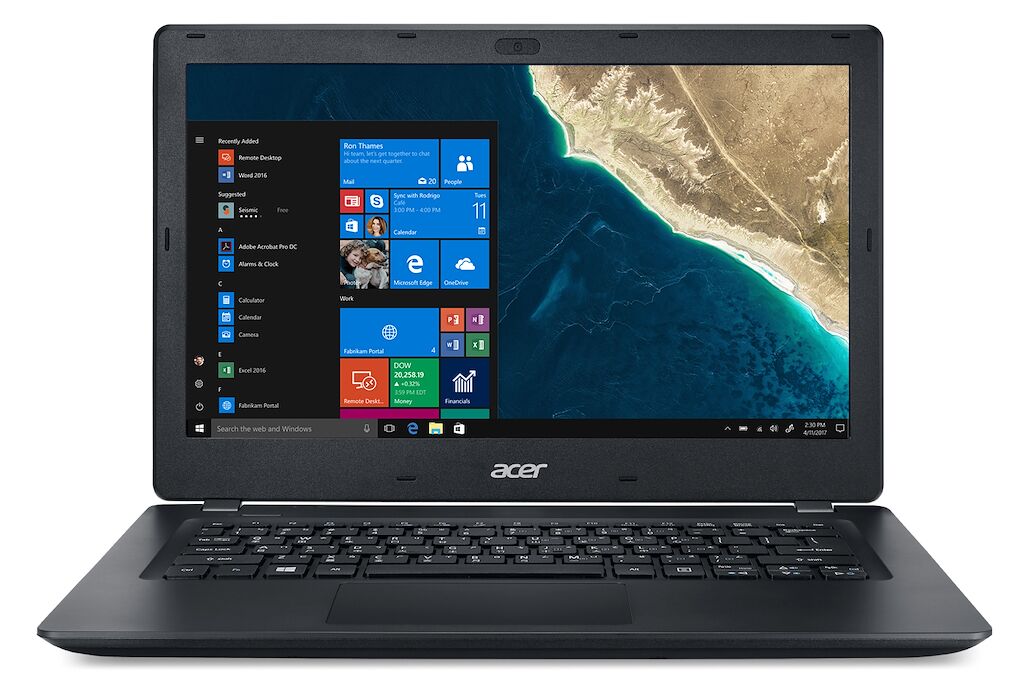
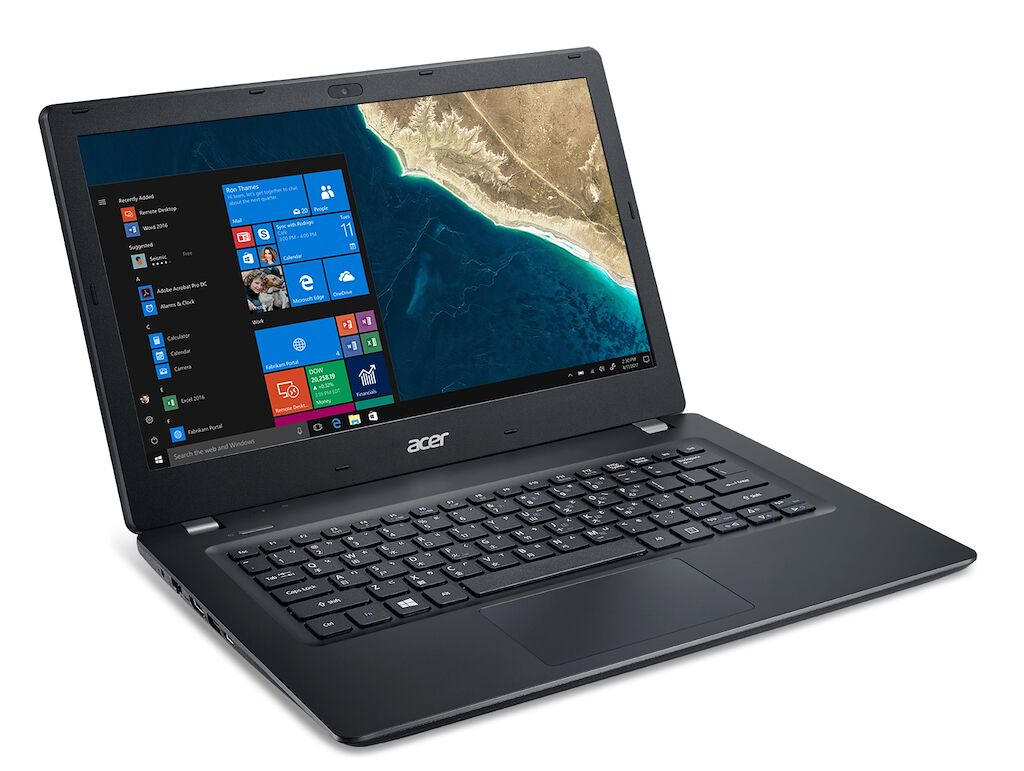
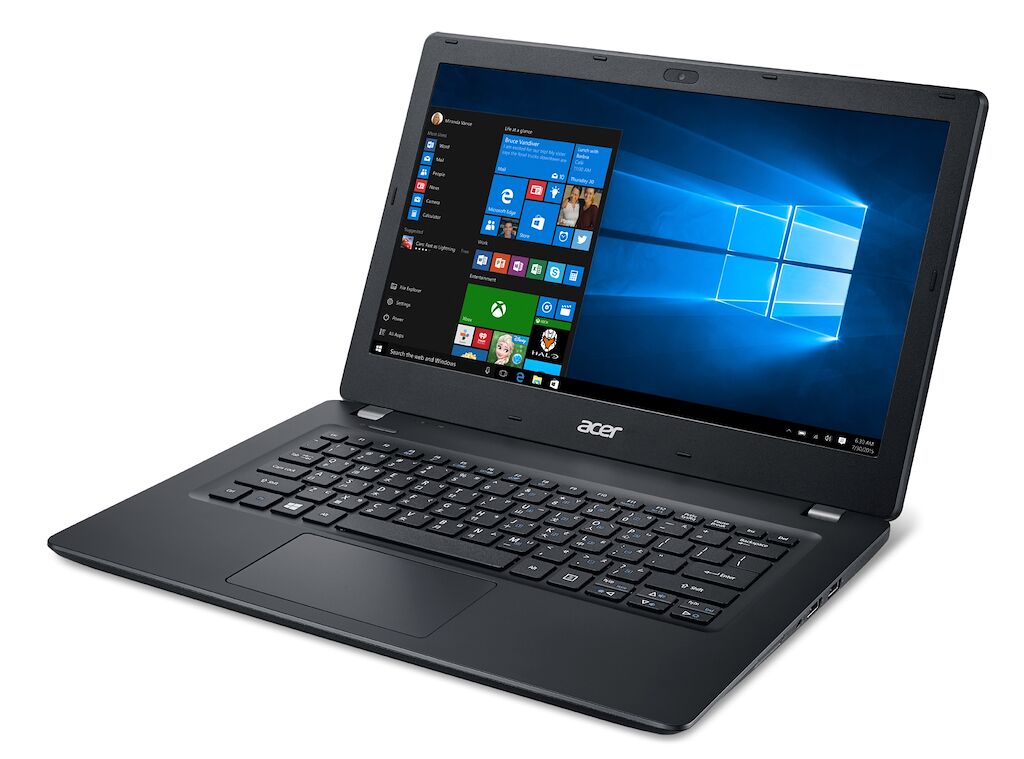


The ACER TravelMate P2 series model P238-M-70FL features DDR3L-SDRAM memory upgrade specifications. The laptop contains 2x SO-DIMM slots for RAM expansion. Maximum supported memory capacity reaches 16 GB total. Compatible memory modules operate at 1600 MHz frequency. SO-DIMM form factor modules are required for upgrade compatibility. The P238-M-70FL specifications support memory upgrades to enhance multitasking performance and system responsiveness for the TravelMate P2 family.
Memory Upgrade Specifications
| Specification | Value |
|---|---|
| Memory slots | 2x SO-DIMM |
| Form factor | SO-DIMM |
| Memory type | DDR3L-SDRAM |
| Frequency | 1600 MHz |
| Maximum RAM | 16 GB |
| Voltage | 1.35V (Low Voltage) |
| Number of pins | 204-pin |
| Interface | PC3L |
| PC Speed Rating | PC3L-1600 (PC3L-12800) |
| Bandwidth | 12.8 GB/s |
| Laptop Release date | 17 January 2019 |
Additional Notes
- The DDR3L-SDRAM requirement mandates low-voltage modules operating at 1.35V, as standard 1.5V DDR3 modules may cause boot failures or system instability in the ACER TravelMate P238-M-70FL.
- The 1600 MHz frequency specification represents PC3-12800 or PC3L-12800 memory, where higher-frequency modules will automatically downclock to this speed without performance benefit.
- Dual-channel memory architecture requires matched pairs in both SO-DIMM slots to achieve maximum bandwidth of 25.6 GB/s, compared to 12.8 GB/s in single-channel configuration.
- The 16 GB maximum capacity splits into either 2x8 GB modules or asymmetric configurations like 4 GB plus 12 GB, though symmetric pairs maintain optimal interleaving.
- SO-DIMM installation typically requires bottom panel removal and potential warranty seal breakage, depending on manufacturer service policies.
- Pre-2015 mobile chipsets often impose per-slot density limits, potentially restricting single 16 GB modules even when total capacity allows dual 8 GB sticks.
- Mixed-capacity configurations cause the memory controller to partition channels, where only the matched portion operates in dual-channel mode while excess capacity runs single-channel.
- CAS latency variations within DDR3L-1600 specification (CL9, CL10, CL11) produce minimal real-world impact as the system BIOS typically enforces conservative timings for stability.
- Unbuffered (non-ECC) modules are required for this consumer platform, as registered or error-correcting memory remains incompatible with mobile consumer chipsets.
- Heat dissipation in compact laptop chassis makes low-profile SO-DIMM designs without aftermarket heatspreaders preferable to avoid physical interference with keyboard assemblies or thermal solutions.