ACER TravelMate TMP215-53-75F6 RAM upgrade specifications




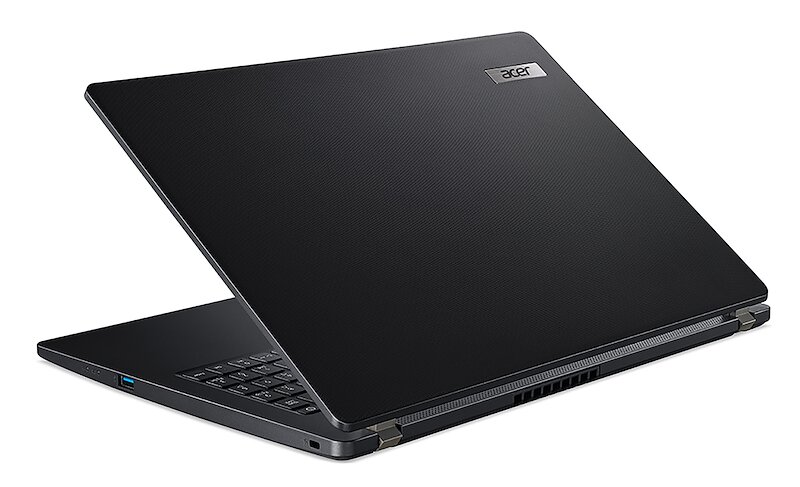
The ACER TravelMate P2 Series model TMP215-53-75F6 supports DDR4-SDRAM memory upgrades with specifications including two SO-DIMM slots for RAM installation. The upgrade capacity reaches a maximum of 32 GB total memory, operating at 2666 MHz frequency. Compatible memory modules must utilize the SO-DIMM form factor standard. The laptop's specifications accommodate memory expansion through both available slots to achieve maximum RAM configuration.
Memory Upgrade Specifications
| Specification | Value |
|---|---|
| Memory slots | 2x SO-DIMM |
| Form factor | SO-DIMM |
| Memory type | DDR4-SDRAM |
| Frequency | 2666 MHz |
| Maximum RAM | 32 GB |
| Voltage | 1.2V |
| Number of pins | 260-pin |
| Interface | PC4 |
| PC Speed Rating | PC4-2666 (PC4-21328) |
| Bandwidth | 21.3 GB/s |
| Laptop Release date | 22 December 2021 |
Additional Notes
- The 32 GB ceiling reflects chipset limitations rather than physical slot constraints, preventing installation of higher-capacity modules that may physically fit.
- The 2666 MHz specification represents the maximum supported frequency, meaning faster modules will downclock to this speed and waste their performance potential.
- Dual SO-DIMM configuration enables channel interleaving when populated with matched capacity modules, doubling theoretical bandwidth compared to single-module installations.
- DDR4 voltage operates at 1.2V standard, making DDR3 or DDR3L modules physically incompatible despite similar SO-DIMM form factors.
- Both slots must remain accessible without motherboard removal for the ACER TravelMate TMP215-53-75F6 to qualify as user-serviceable under most warranty terms.
- Mixing modules with different CAS latencies forces the memory controller to adopt the slower timing across both channels, degrading overall responsiveness.
- The 260-pin SO-DIMM standard prevents installation of desktop 288-pin DIMM modules regardless of matching DDR4 specifications.
- Asymmetric capacity configurations maintain dual-channel operation only up to the capacity of the smaller module, reverting excess capacity to single-channel mode.
- Non-ECC unbuffered modules are required, as registered or error-correcting variants introduce incompatible signaling protocols for mobile platforms.
- Single-rank versus dual-rank module architecture affects compatibility with maximum capacity targets, as some chipsets enforce rank limitations per channel.