ACER TravelMate TMP215-53-78VL RAM upgrade specifications
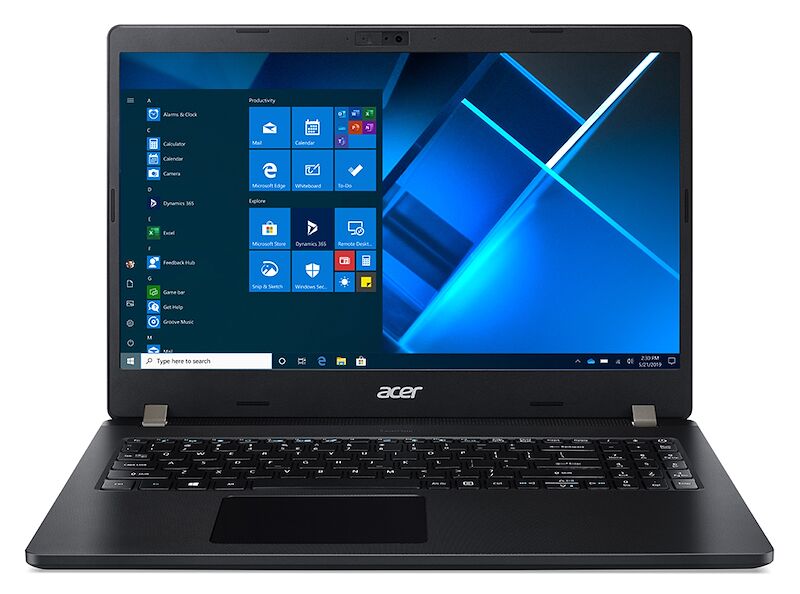
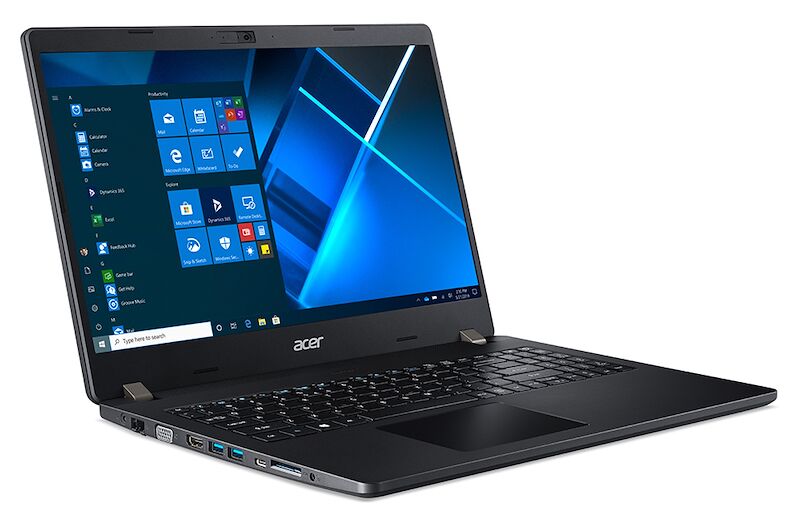

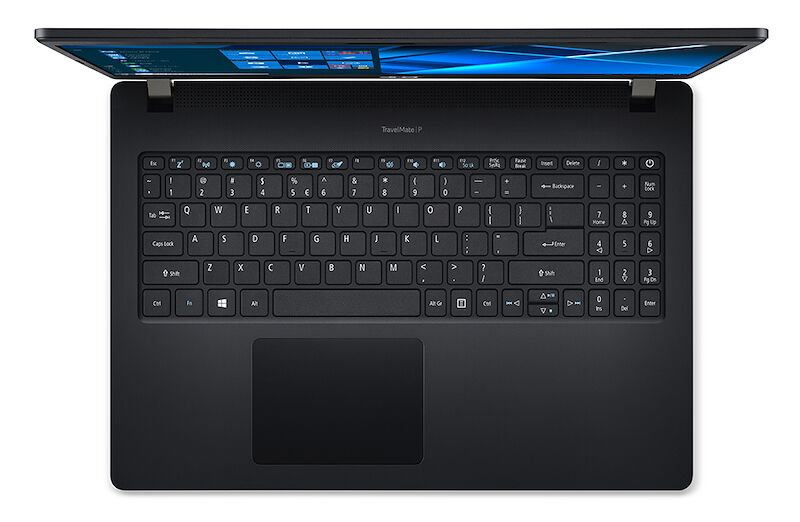
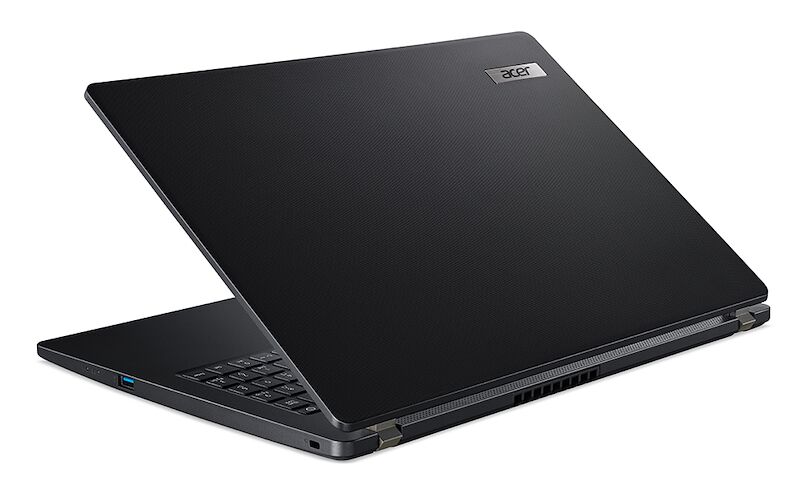
ACER TravelMate P2 Series TMP215-53-78VL laptop features two SO-DIMM memory slots supporting DDR4-SDRAM upgrades. Maximum RAM capacity reaches 32 GB total. Compatible memory operates at 2133 MHz frequency. RAM upgrade specifications enable users to expand the system's memory configuration beyond factory default capacity by installing additional DDR4-SDRAM modules in available slots.
Memory Upgrade Specifications
| Specification | Value |
|---|---|
| Memory slots | 2x SO-DIMM |
| Form factor | SO-DIMM |
| Memory type | DDR4-SDRAM |
| Frequency | 2133 MHz |
| Maximum RAM | 32 GB |
| Voltage | 1.2V |
| Number of pins | 260-pin |
| Interface | PC4 |
| PC Speed Rating | PC4-2133 (PC4-17064) |
| Bandwidth | 17.1 GB/s |
| Laptop Release date | 31 January 2021 |
Additional Notes
- The ACER TravelMate TMP215-53-78VL accepts standard 260-pin SO-DIMM modules, which differ physically from desktop DIMM formats and cannot be interchanged.
- Both memory slots support dual-channel architecture when populated with matched capacity modules, potentially doubling theoretical memory bandwidth compared to single-channel configurations.
- The 2133 MHz frequency specification represents JEDEC standard DDR4 speed, meaning higher-frequency modules will downclock to this baseline when installed.
- Maximum capacity per slot calculates to 16 GB, as the 32 GB system ceiling divides across the 2 available SO-DIMM positions.
- Accessing internal memory slots typically requires bottom panel removal, which may involve warranty seal consideration depending on regional consumer protection regulations.
- DDR4 SO-DIMM modules operate at 1.2 volts standard, providing compatibility advantages over DDR3L (1.35v) or DDR3 (1.5v) technologies that share similar physical dimensions but incompatible notch positions.
- Memory bandwidth peaks at approximately 17 GB/s in dual-channel mode at 2133 MHz, which may become a limiting factor for integrated graphics performance or memory-intensive applications.
- Single-rank versus dual-rank module topology can affect stability at maximum capacity, though both configurations remain within JEDEC specifications for this frequency class.
- ECC (Error-Correcting Code) SO-DIMM modules will not function in this configuration, as consumer-grade chipsets lack the memory controller features required for error correction operation.
- Mixing different capacity modules across slots remains possible while maintaining dual-channel operation through flex mode, though symmetric configurations deliver optimal performance consistency.