ASUS ASUSPRO PU551LD-CN042G RAM upgrade specifications

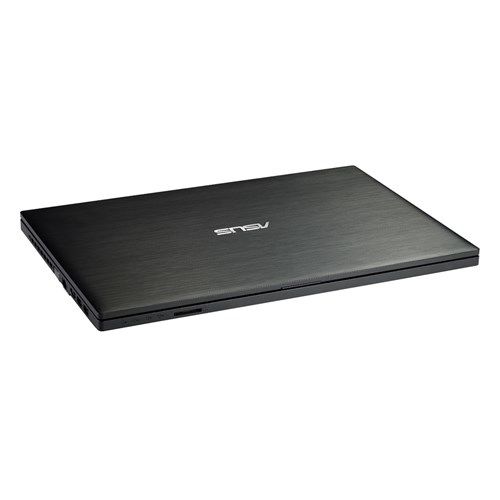
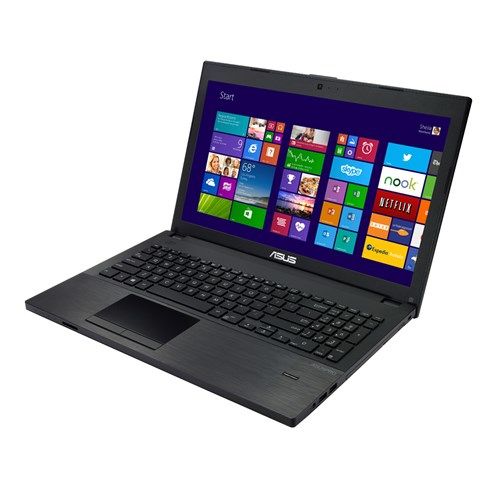


ASUS ASUSPRO PU551LD-CN042G laptop features two SO-DIMM memory slots supporting DDR3L-SDRAM modules at 1600 MHz frequency. The upgrade specifications indicate maximum RAM capacity of 16 GB total. Compatible memory modules must match DDR3L-SDRAM technology and SO-DIMM form factor for proper installation. This configuration allows users to expand existing memory capacity up to the 16 GB maximum limit across both available slots.
Memory Upgrade Specifications
| Specification | Value |
|---|---|
| Memory slots | 2x SO-DIMM |
| Form factor | SO-DIMM |
| Memory type | DDR3L-SDRAM |
| Frequency | 1600 MHz |
| Maximum RAM | 16 GB |
| Voltage | 1.35V (Low Voltage) |
| Number of pins | 204-pin |
| Interface | PC3L |
| PC Speed Rating | PC3L-1600 (PC3L-12800) |
| Bandwidth | 12.8 GB/s |
| Laptop Release date | 03 February 2018 |
Additional Notes
- The DDR3L designation requires low-voltage modules operating at 1.35V rather than standard 1.5V DDR3, making standard DDR3 modules incompatible or potentially unstable despite identical physical dimensions.
- SO-DIMM form factor limits module height to 30mm, excluding taller desktop DIMM modules and certain server-grade components with extended heat spreaders.
- The 16 GB maximum capacity constraint means each slot supports a maximum 8 GB module, preventing installation of higher-density 16 GB SO-DIMMs even if physically compatible.
- The 1600 MHz frequency specification represents DDR3L-1600 (PC3L-12800) standard, delivering theoretical bandwidth of 12.8 GB/s per channel in dual-channel configuration.
- Installing a single module forces single-channel operation, halving memory bandwidth and potentially creating performance bottlenecks in graphics-intensive applications utilizing integrated GPU resources.
- Mixing modules with different frequencies will downclock all modules to match the slowest installed module, negating any speed advantage of higher-rated memory.
- The chipset likely supports only non-ECC unbuffered memory, excluding registered or error-correcting modules common in workstation environments.
- Access to memory slots typically requires bottom panel removal, potentially voiding manufacturer warranty seals depending on regional service policies.
- The ASUSPRO designation suggests business-oriented firmware that may require BIOS updates for optimal compatibility with newer module revisions or density configurations.
- Thermal constraints in the laptop chassis may prevent sustained operation at JEDEC-specified speeds if ambient temperatures exceed 35°C or cooling systems accumulate debris.