ASUS ASUSPRO P5440FA-BM0154R RAM upgrade specifications


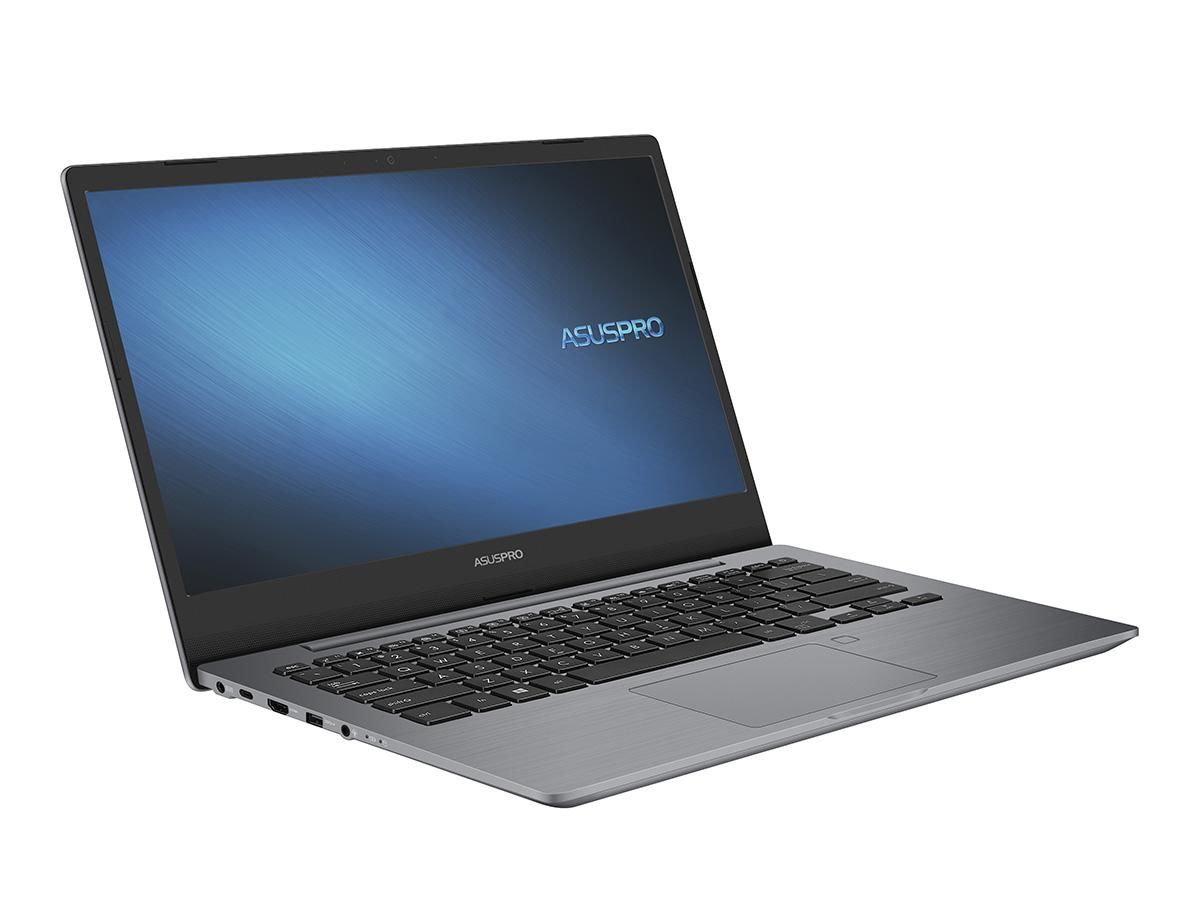
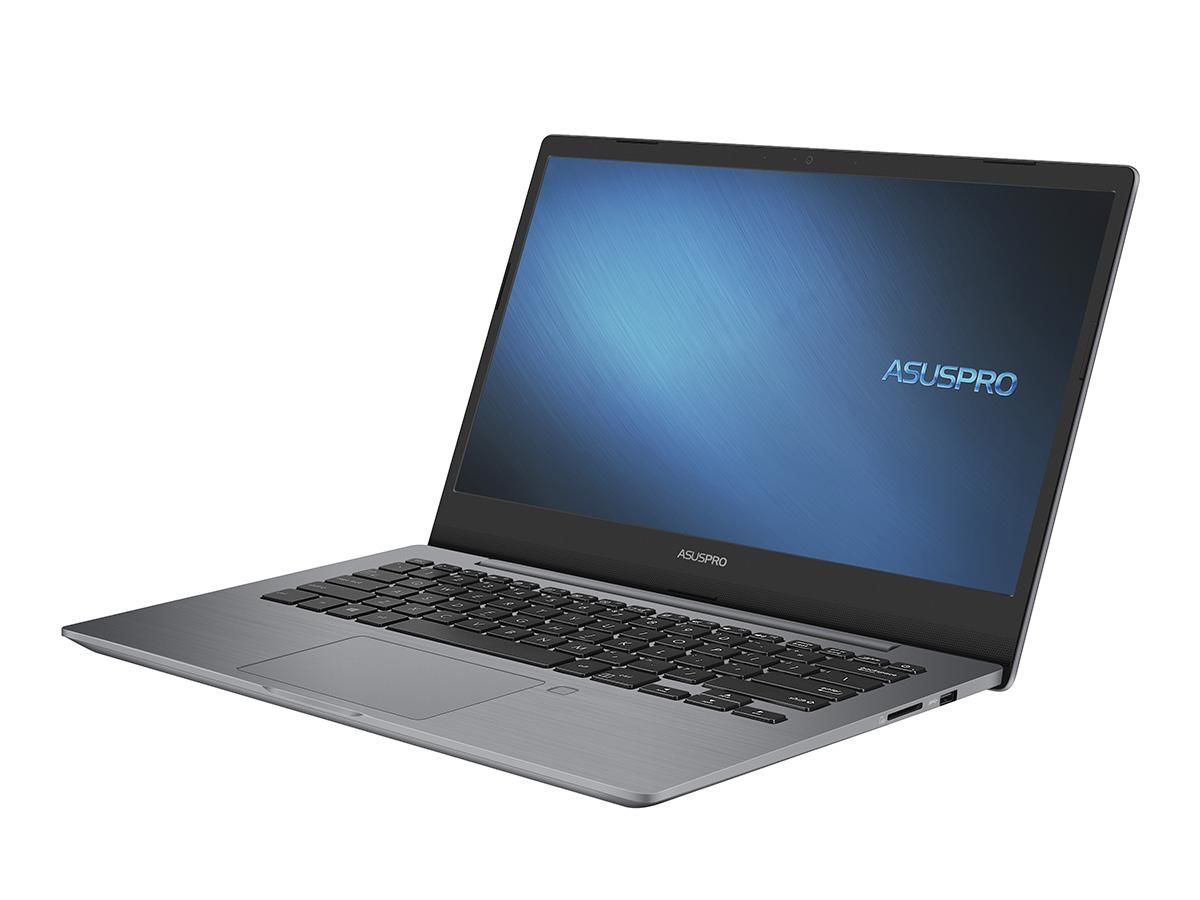

ASUS ASUSPRO P Series P5440FA-BM0154R laptop memory upgrade specifications indicate DDR4-SDRAM compatibility with maximum RAM capacity of 16 GB. The system features one SO-DIMM slot for memory expansion, operating at 2400 MHz frequency. Memory configuration comprises on-board components plus one replaceable SO-DIMM module. Compatible upgrades support DDR4-SDRAM technology meeting specifications for the P5440FA-BM0154R model.
Memory Upgrade Specifications
| Specification | Value |
|---|---|
| Memory slots | 1x SO-DIMM |
| Form factor | On-board + SO-DIMM |
| Memory type | DDR4-SDRAM |
| Frequency | 2400 MHz |
| Maximum RAM | 16 GB |
| Voltage | 1.2V |
| Number of pins | 260-pin |
| Interface | PC4 |
| PC Speed Rating | PC4-2400 (PC4-19200) |
| Bandwidth | 19.2 GB/s |
| Laptop Release date | 28 March 2019 |
Additional Notes
- The ASUS ASUSPRO P5440FA-BM0154R features a hybrid memory architecture with soldered RAM alongside the accessible SO-DIMM slot, preventing complete memory replacement and requiring users to work within the constraints of the permanently installed module.
- The single SO-DIMM slot limitation means memory upgrades require complete replacement of the existing module rather than incremental expansion through dual-channel population.
- The 16 GB maximum capacity ceiling indicates an 8 GB module is soldered to the motherboard, restricting the SO-DIMM slot to an additional 8 GB module to reach the system limit.
- The 2400 MHz frequency specification establishes a strict compatibility boundary where faster modules will downclock to match this speed, eliminating any performance benefit from higher-rated memory.
- The on-board plus SO-DIMM configuration enables dual-channel operation only when the installed SO-DIMM module matches the capacity of the soldered memory, creating an asymmetric performance profile if mismatched.
- DDR4-2400 represents an older generation specification with higher latency characteristics compared to DDR4-3200 systems, limiting memory-intensive application responsiveness regardless of capacity upgrades.
- The soldered component introduces a permanent failure point where motherboard-level repair becomes necessary if the integrated memory develops defects, unlike fully modular systems where replacement is straightforward.
- Installing a module smaller than 8 GB results in total system capacity below the potential maximum while maintaining dual-channel operation, whereas larger modules enable higher capacity but may force single-channel mode for the excess capacity.
- The SO-DIMM form factor requires notebook-specific modules with different physical dimensions than desktop DIMM memory, necessitating verification of the 260-pin standard for DDR4 laptop modules.
- Warranty preservation requires non-destructive access to the SO-DIMM slot, typically through a removable service panel rather than full chassis disassembly that might void manufacturer coverage.