ASUS ROG G512LV-HN193T RAM upgrade specifications
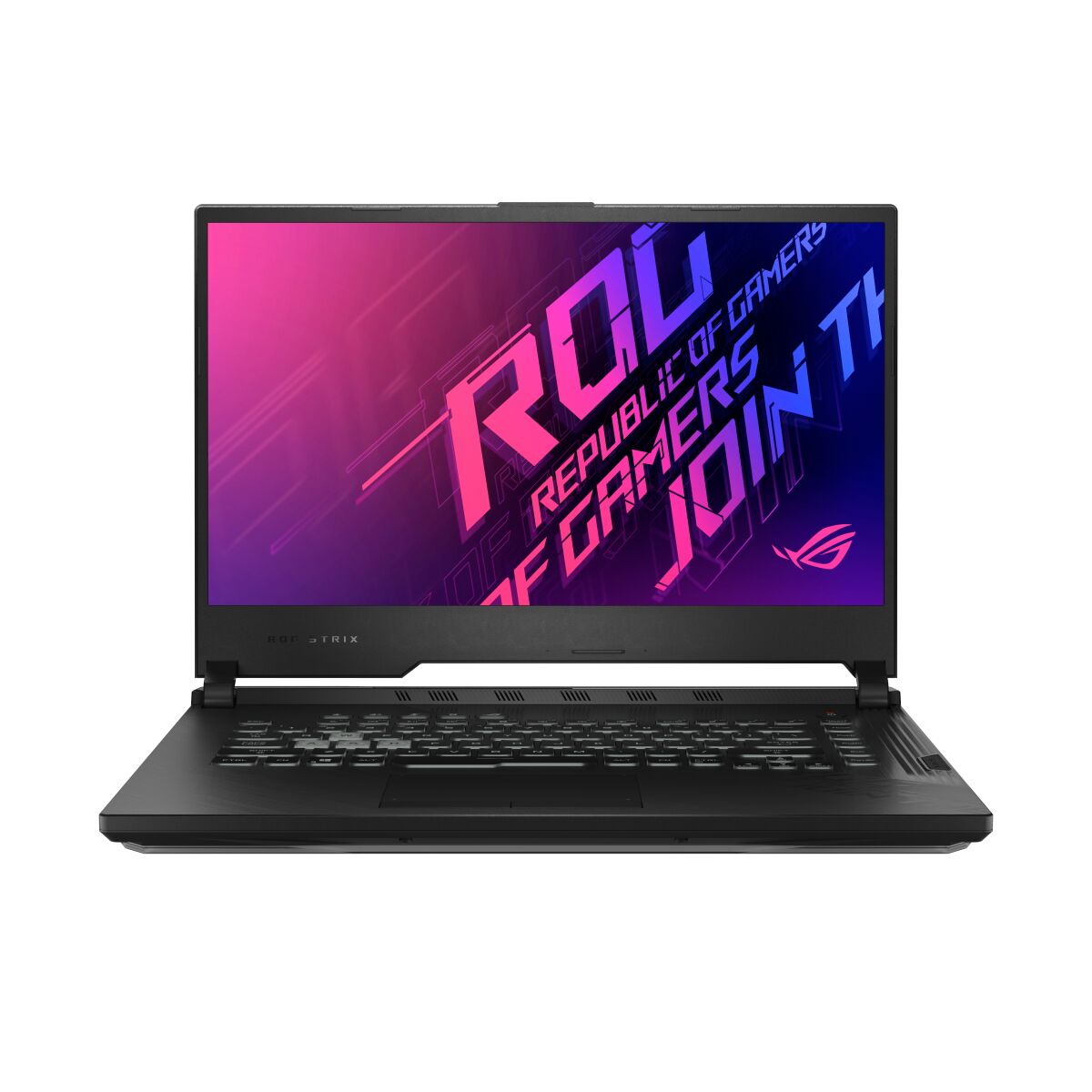
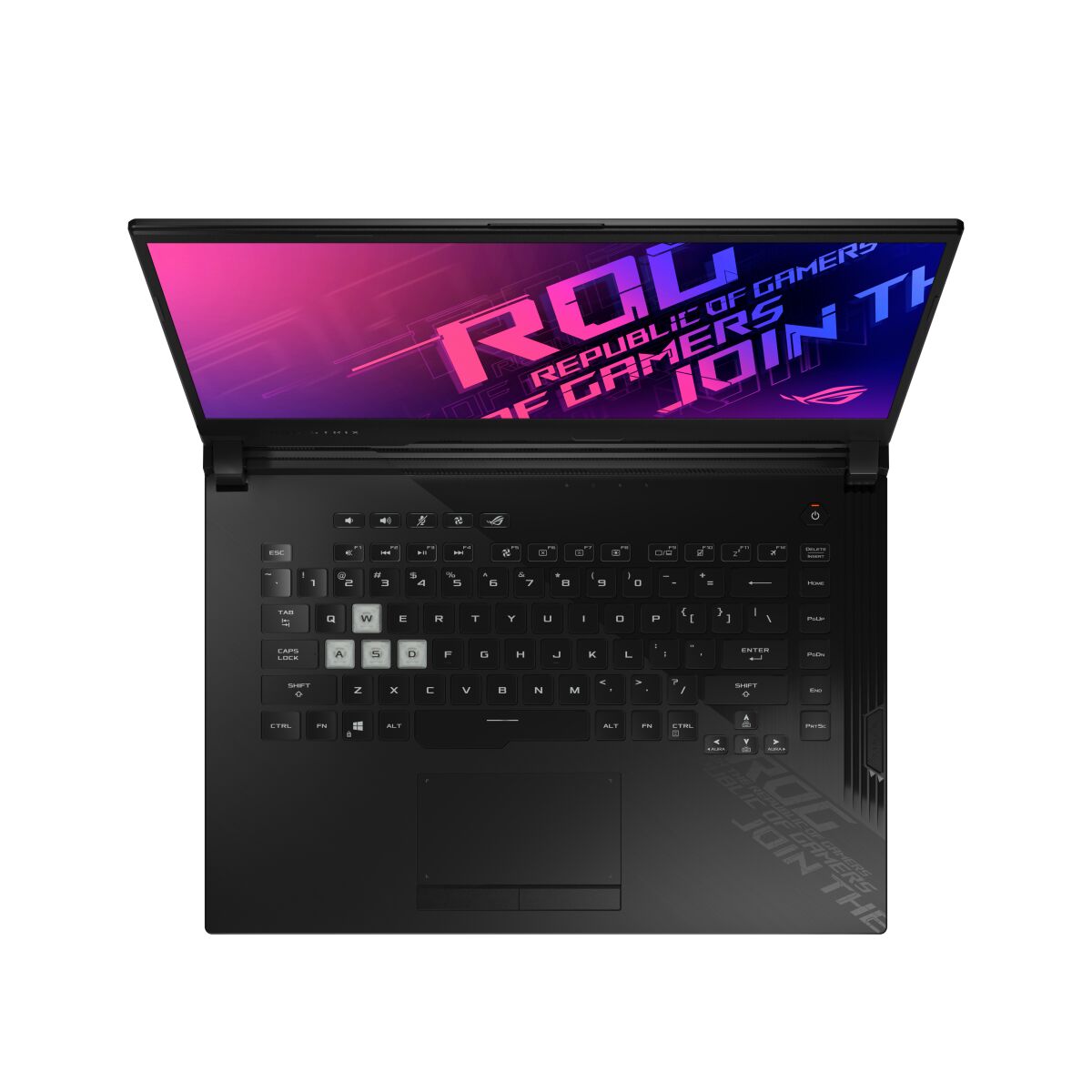
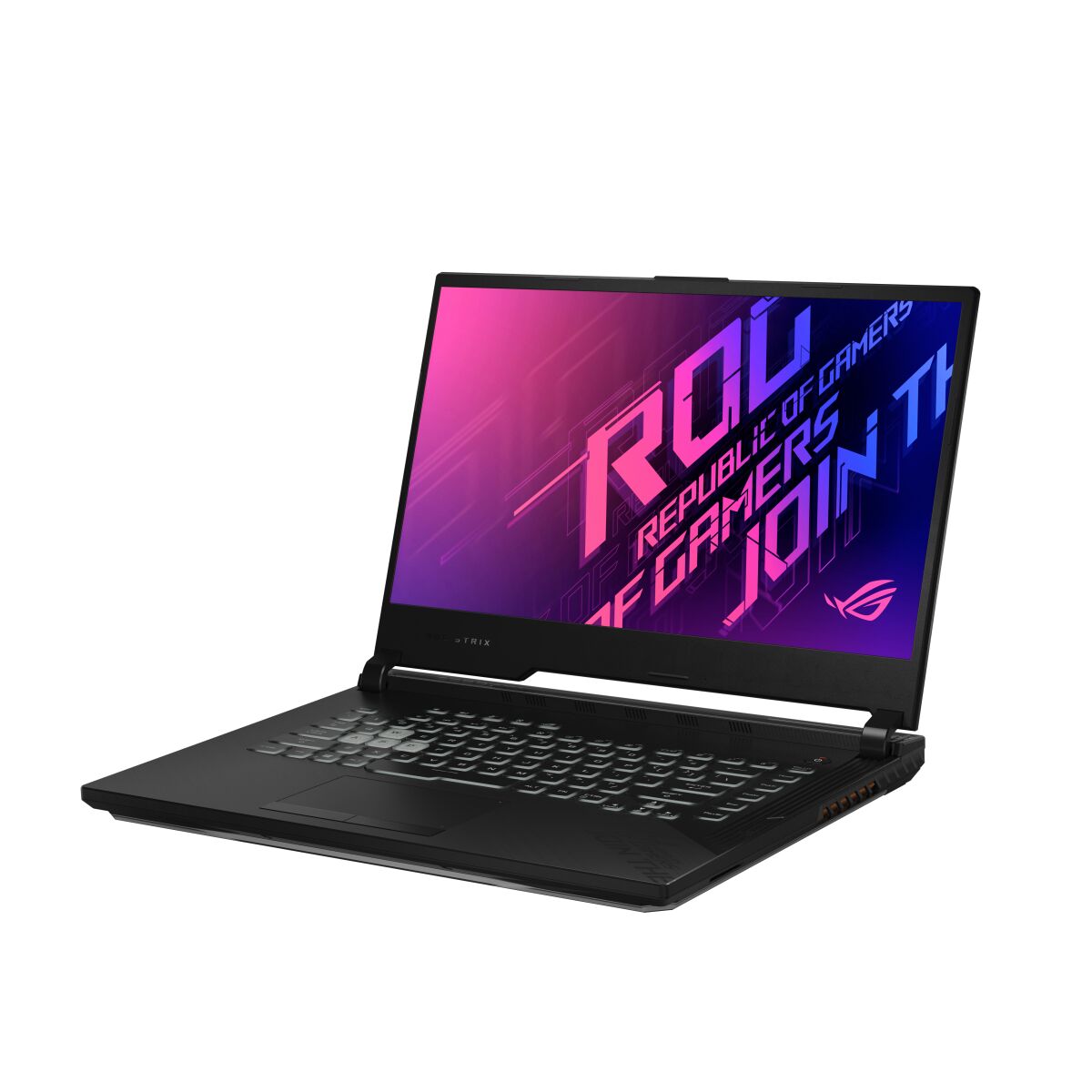
ASUS ROG Strix G15 G512LV-HN193T memory upgrade specifications include DDR4-SDRAM compatibility with 2x SO-DIMM slots supporting maximum capacity of 32 GB total RAM. Memory modules operate at 2933 MHz frequency. Compatible DDR4 SO-DIMM upgrades are available to increase system memory beyond factory configuration. Specifications indicate each slot accommodates single memory module installation for optimal performance within the laptop's memory architecture.
Memory Upgrade Specifications
| Specification | Value |
|---|---|
| Memory slots | 2x SO-DIMM |
| Form factor | SO-DIMM |
| Memory type | DDR4-SDRAM |
| Frequency | 2933 MHz |
| Maximum RAM | 32 GB |
| Voltage | 1.2V |
| Number of pins | 260-pin |
| Interface | PC4 |
| PC Speed Rating | PC4-2933 (PC4-23464) |
| Bandwidth | 23.5 GB/s |
| Laptop Release date | 13 May 2020 |
Additional Notes
- The ASUS ROG G512LV-HN193T supports dual-channel memory architecture through its 2 SO-DIMM configuration, enabling doubled theoretical bandwidth compared to single-channel operation when both slots contain matched modules.
- DDR4-2933 represents the maximum validated speed for this platform, meaning modules rated at higher frequencies such as 3200 MHz will downclock to 2933 MHz through SPD profile selection.
- The 32 GB ceiling requires 16 GB modules per slot, as installing a single 32 GB module would sacrifice dual-channel bandwidth benefits despite reaching maximum capacity.
- SO-DIMM form factor compliance is non-negotiable, as standard desktop DIMM modules are physically incompatible with the 260-pin SO-DIMM slots used in this chassis.
- Mixing memory modules with different speeds, timings, or capacities may force the system to operate all modules at the lowest common denominator specifications or fail POST entirely.
- Access to memory slots typically requires bottom panel removal, where warranty seal integrity may depend on regional consumer protection laws rather than manufacturer preference.
- DDR4 voltage standards default to 1.2V for JEDEC compliance, though XMP profiles requiring higher voltages may not activate if the platform BIOS lacks corresponding support.
- Memory bandwidth scaling beyond 2933 MHz remains locked by chipset and processor memory controller specifications, regardless of installed module capabilities.
- Upgrading from single-rank to dual-rank modules at maximum capacity may introduce minor latency variations, though total bandwidth remains governed by the 2933 MHz frequency limit.
- The 2 slot limitation prevents incremental upgrades beyond 32 GB total, requiring complete module replacement rather than additive expansion for capacity increases.