ASUS ROG G512LV-AZ262T RAM upgrade specifications

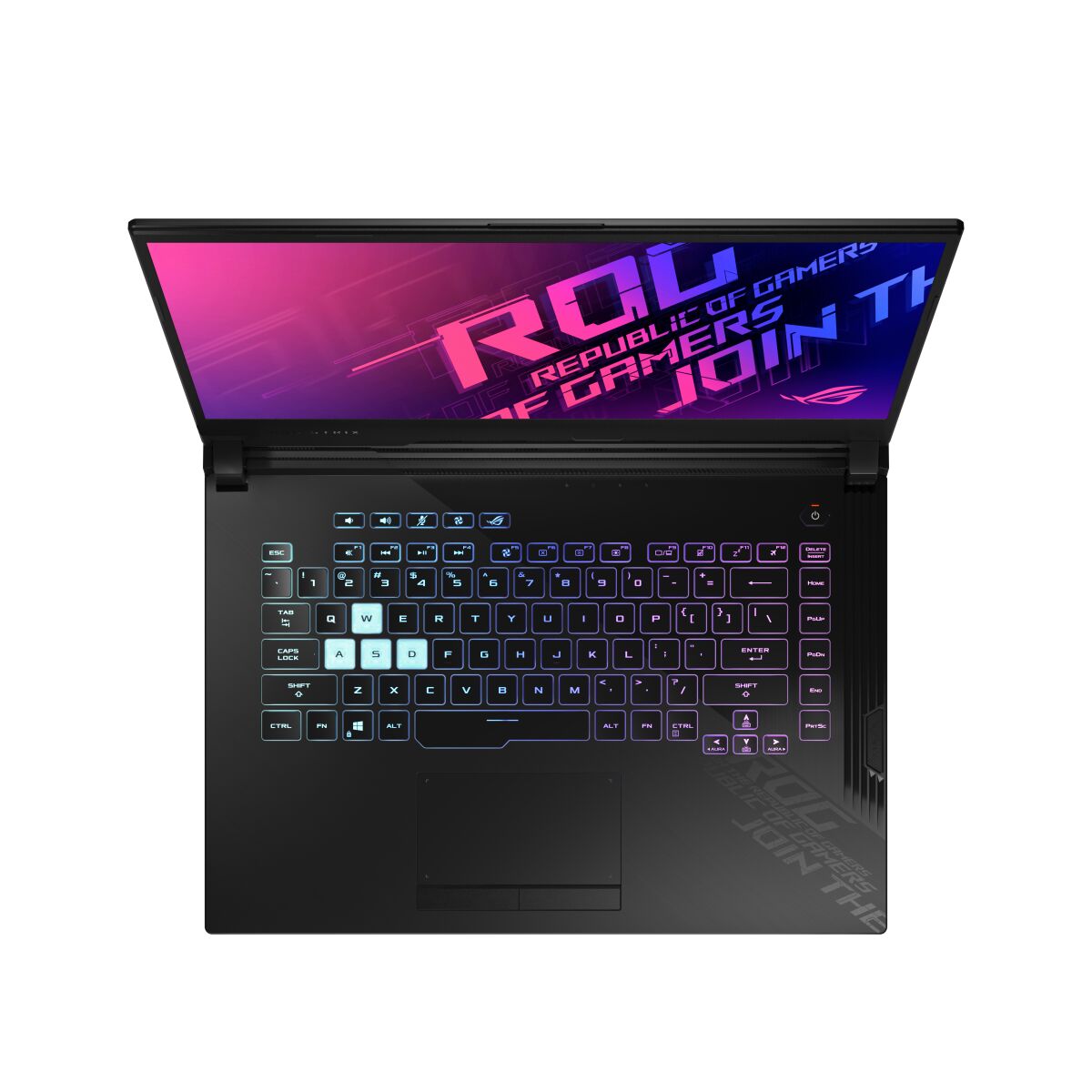



ASUS ROG Strix G15 model G512LV-AZ262T specifications indicate DDR4-SDRAM memory upgrade capacity. The laptop contains 2x SO-DIMM slots for RAM expansion. Maximum memory capacity reaches 32 GB total. Compatible DDR4-SDRAM modules operate at 3200 MHz frequency. SO-DIMM form factor specifications apply to all RAM upgrades for this model. Memory upgrade slots support standard laptop memory configurations aligned with ASUS ROG specifications for the G512LV-AZ262T gaming platform.
Memory Upgrade Specifications
| Specification | Value |
|---|---|
| Memory slots | 2x SO-DIMM |
| Form factor | SO-DIMM |
| Memory type | DDR4-SDRAM |
| Frequency | 3200 MHz |
| Maximum RAM | 32 GB |
| Voltage | 1.2V |
| Number of pins | 260-pin |
| Interface | PC4 |
| PC Speed Rating | PC4-3200 (PC4-25600) |
| Bandwidth | 25.6 GB/s |
| Laptop Release date | 31 July 2020 |
Additional Notes
- The ASUS ROG G512LV-AZ262T contains 2 SO-DIMM slots with a 32 GB aggregate ceiling, establishing a maximum of 16 GB per module for full capacity utilization.
- DDR4-3200 specification indicates that memory modules operating above 3200 MHz will clock down to this native frequency, eliminating performance gains from faster rated RAM and wasting upgrade expenditure on premium-bin modules.
- SO-DIMM form factor requires laptop-specific memory modules rather than desktop DDR4 variants; standard UDIMM sticks are physically incompatible and cannot be installed regardless of electrical compatibility.
- Dual-slot architecture means both existing memory modules must be removed to access either SO-DIMM socket, preventing mixed-capacity configurations that preserve pre-installed RAM during partial upgrades.
- The 32 GB maximum establishes a hard capacity boundary imposed by BIOS/firmware; modules rated for 16 GB or 8 GB per slot remain the only warranty-safe options and will not exceed this threshold through overclocking.
- DDR4-3200 operation at this generation suggests the memory controller may exhibit latency sensitivity; modules with CAS latency ratings above 16-18 could produce measurable performance regression despite meeting frequency specifications.
- SO-DIMM modules generate tighter thermal constraints than desktop equivalents within the laptop's enclosed chassis; heat-spreader height and passive cooling may become problematic factors during sustained multi-threaded workloads.