ASUS ROG G512LV-HN360T RAM upgrade specifications
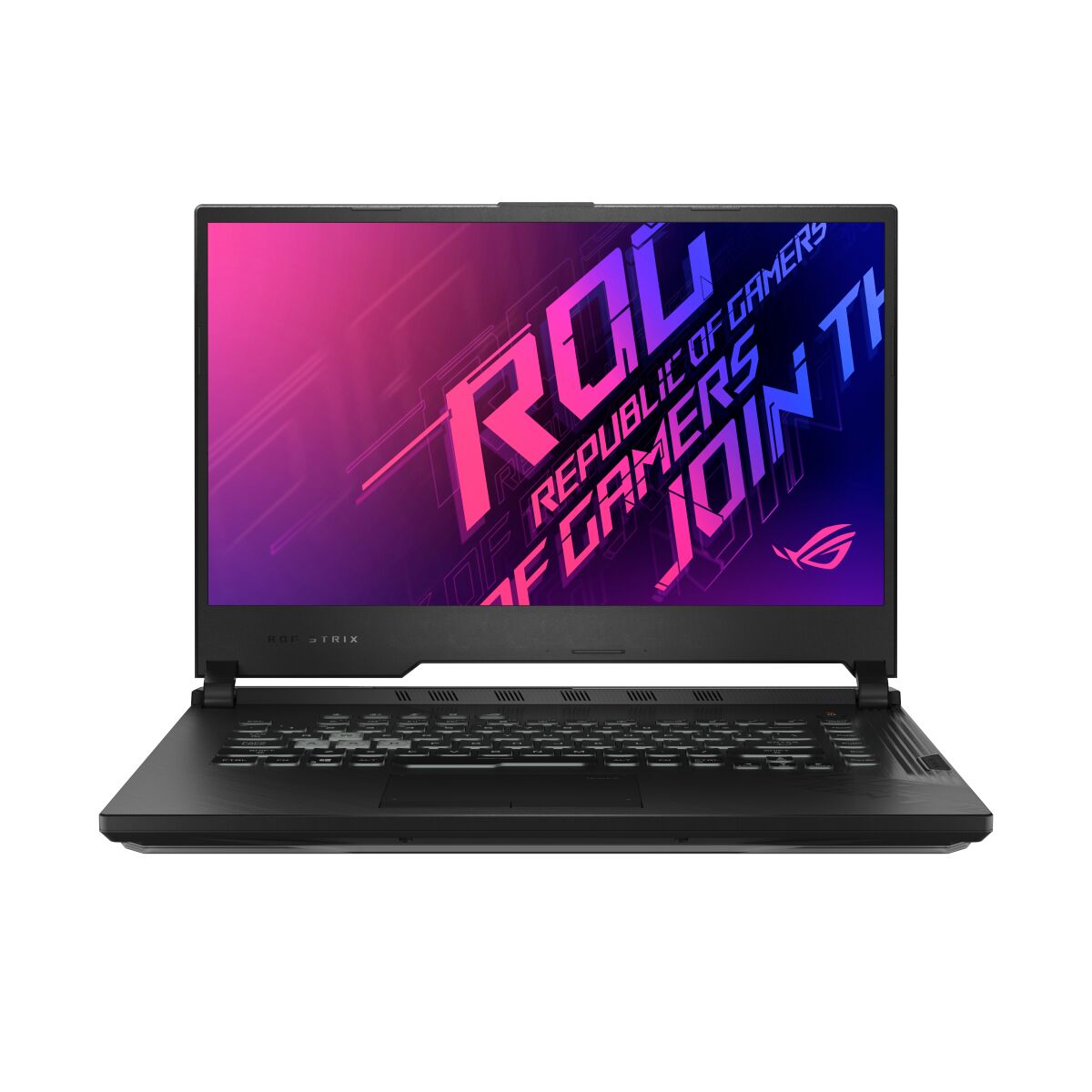



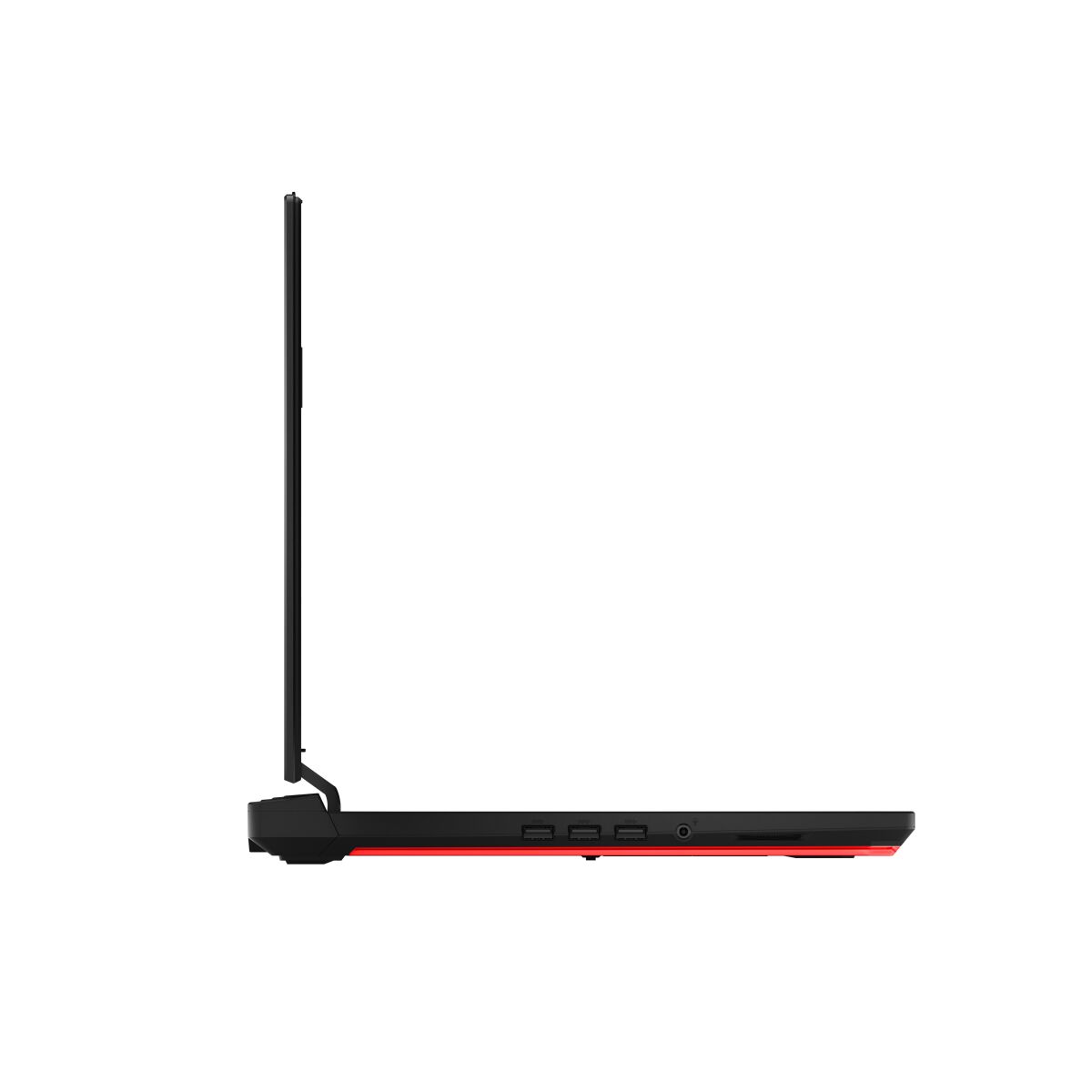
ASUS ROG Strix G15 G512LV-HN360T laptop supports DDR4-SDRAM memory upgrades through two SO-DIMM slots. Maximum compatible RAM capacity reaches 32 GB total. Specifications indicate SO-DIMM form factor modules operating at 3200 MHz frequency. Upgrade options accommodate standard DDR4 memory modules within these compatibility parameters for enhanced system performance.
Memory Upgrade Specifications
| Specification | Value |
|---|---|
| Memory slots | 2x SO-DIMM |
| Form factor | SO-DIMM |
| Memory type | DDR4-SDRAM |
| Frequency | 3200 MHz |
| Maximum RAM | 32 GB |
| Voltage | 1.2V |
| Number of pins | 260-pin |
| Interface | PC4 |
| PC Speed Rating | PC4-3200 (PC4-25600) |
| Bandwidth | 25.6 GB/s |
| Laptop Release date | 22 March 2021 |
Additional Notes
- The ASUS ROG G512LV-HN360T contains 2 SO-DIMM slots operating in dual-channel configuration, meaning memory bandwidth doubles when both slots are populated versus single-module operation.
- DDR4-3200 modules are commodity components with broad manufacturer support; however, Intel 10th-generation processors in this chassis typically validate 2933 MHz or 3200 MHz depending on BIOS revision, creating potential for JEDEC downclocking if non-validated modules are installed.
- The 32 GB ceiling prevents upgrade beyond a single 32 GB module per slot; this hard limit means the system cannot accommodate future memory requirements beyond this threshold regardless of DDR4 availability.
- SO-DIMM form factor requires low-profile modules; standard desktop DDR4 UDIMM components are physically incompatible and will not seat in the notebook's memory slots.
- Populating both slots with matched 16 GB modules reaches maximum capacity while maintaining symmetrical channel configuration; mismatched capacities introduce asymmetric latency pathways that may degrade performance under sustained multi-threaded workloads.
- Warranty implications depend on ASUS service policies; most gaming notebook manufacturers permit RAM upgrades without voiding coverage, but installation should follow OEM documentation to preserve thermal pad contact and prevent accidental component damage during SO-DIMM extraction.
- The 3200 MHz specification represents maximum rated frequency; actual stable operation depends on BIOS settings, CPU microcode version, and module integrated heat spreader (IHS) height, which may interfere with cooling solutions mounted directly above the memory area.