ASUS ROG G512LW-AZ093T RAM upgrade specifications
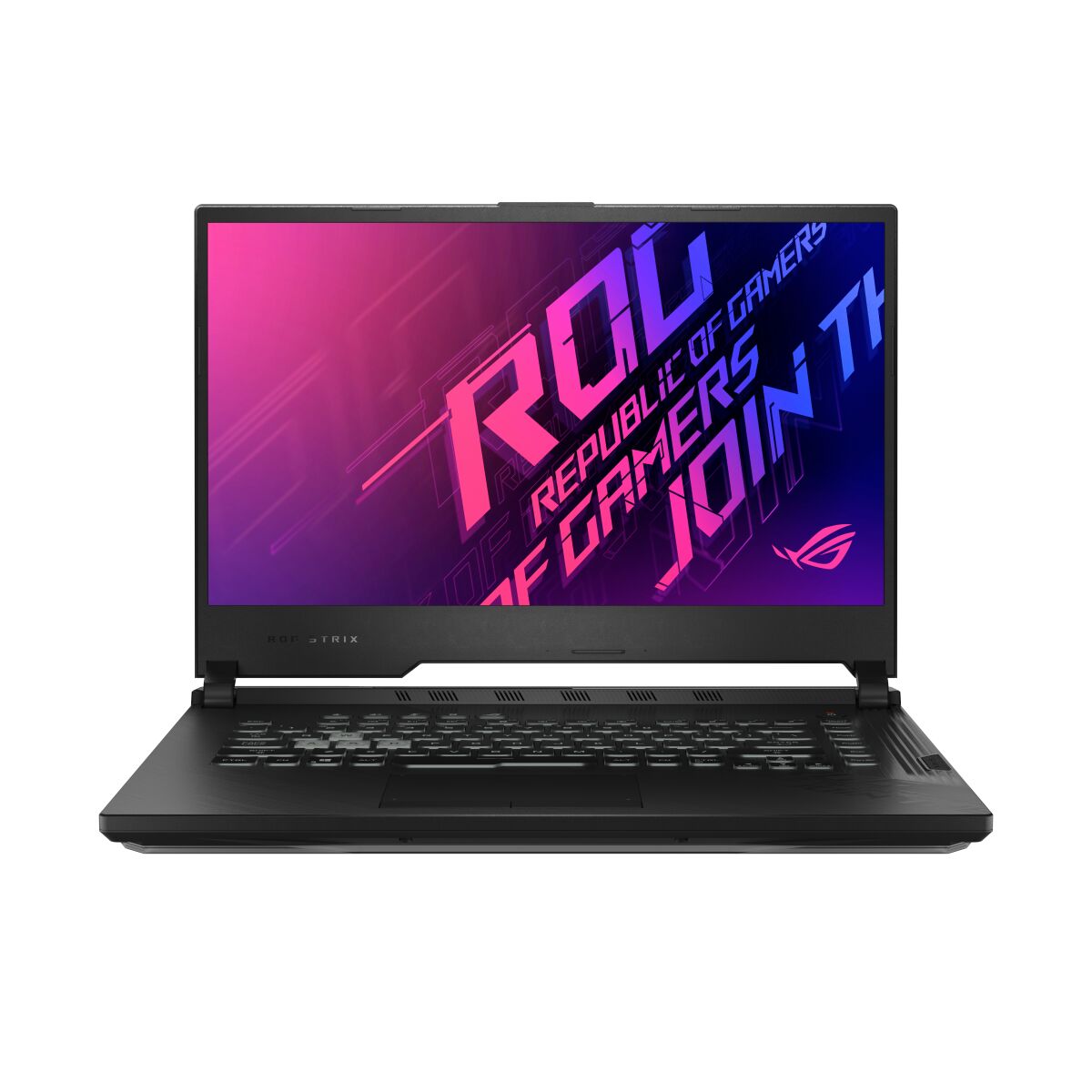
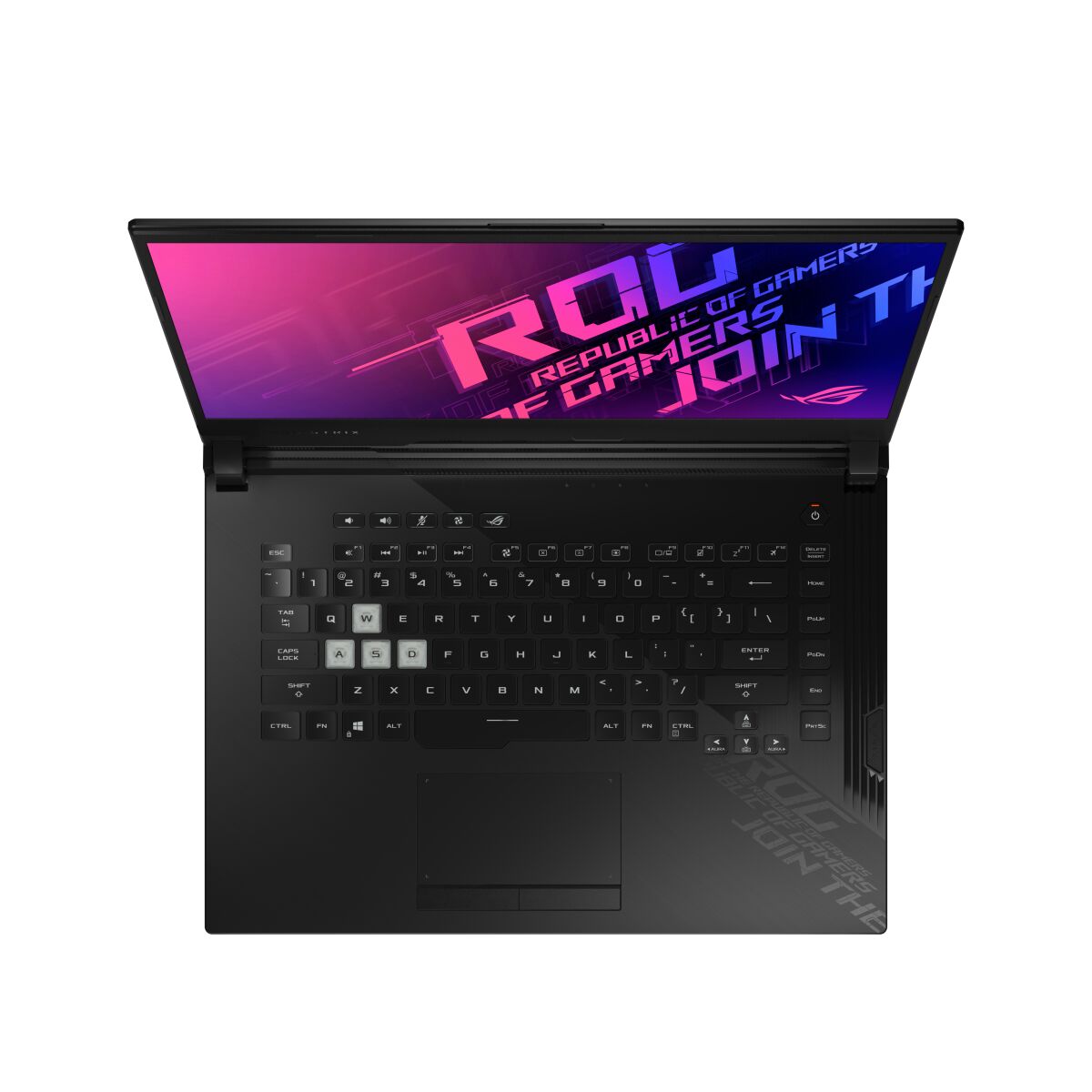
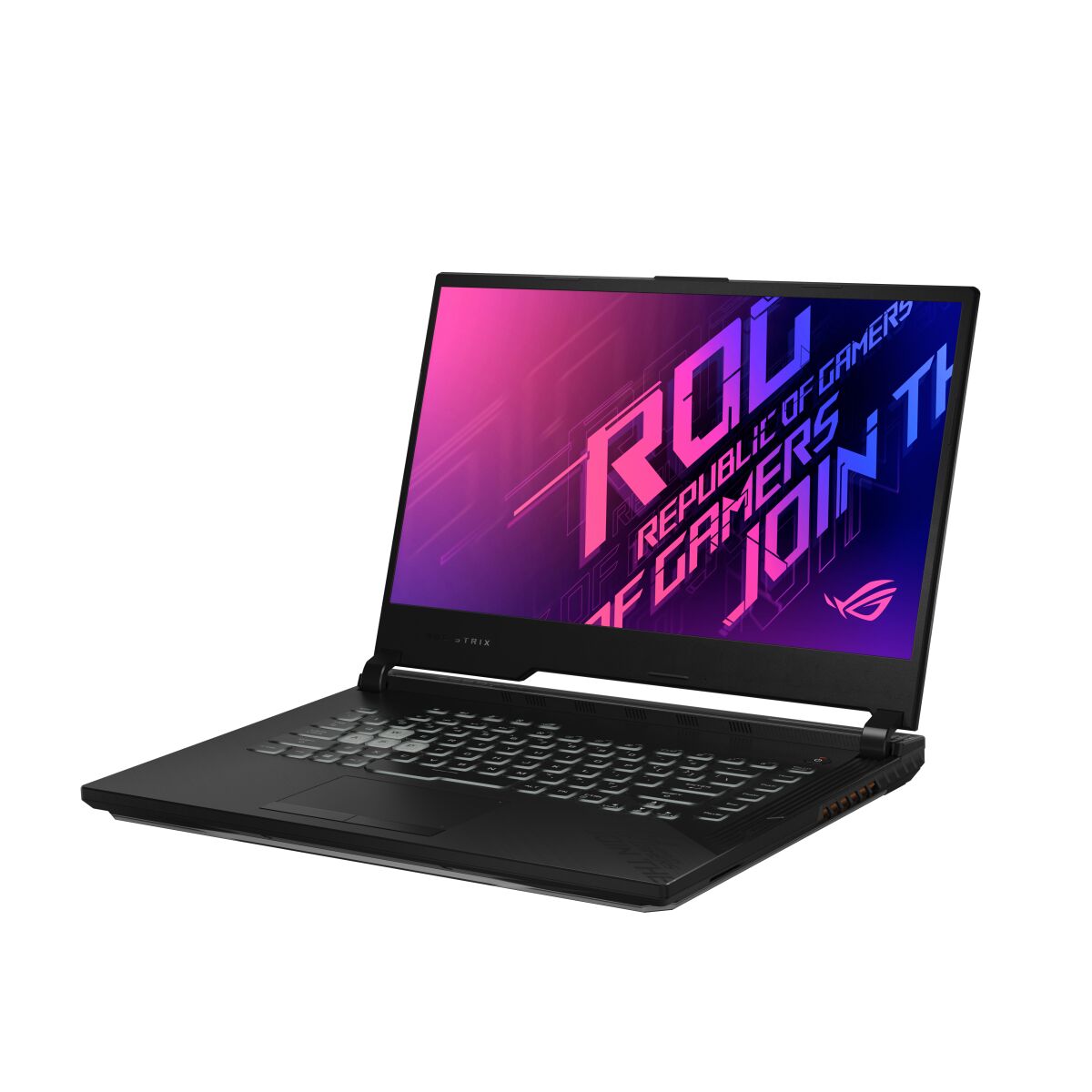
ASUS ROG Strix G15 model G512LW-AZ093T supports DDR4-SDRAM memory upgrades with two SO-DIMM slots. Maximum RAM capacity reaches 32 GB total, accommodating compatible modules operating at 3200 MHz frequency. Upgrade specifications utilize SO-DIMM form factor modules for laptop compatibility. Current memory configuration allows for expansion up to the maximum supported capacity through slot replacement or addition of compatible DDR4-SDRAM memory modules.
Memory Upgrade Specifications
| Specification | Value |
|---|---|
| Memory slots | 2x SO-DIMM |
| Form factor | SO-DIMM |
| Memory type | DDR4-SDRAM |
| Frequency | 3200 MHz |
| Maximum RAM | 32 GB |
| Voltage | 1.2V |
| Number of pins | 260-pin |
| Interface | PC4 |
| PC Speed Rating | PC4-3200 (PC4-25600) |
| Bandwidth | 25.6 GB/s |
| Laptop Release date | 25 November 2020 |
Additional Notes
- The ASUS ROG G512LW-AZ093T supports SO-DIMM modules exclusively, preventing installation of standard DIMM memory despite physically available slots.
- DDR4-3200 operation requires compatible CPU and motherboard controller support, otherwise modules will downclock to lower JEDEC frequencies.
- Dual-channel architecture necessitates matched module pairs for optimal bandwidth utilization, with mismatched capacities forcing asymmetric configuration.
- The 32 GB ceiling limits professional workloads requiring larger memory footprints, such as virtualization with multiple concurrent guest systems.
- SO-DIMM installation requires precise angular insertion at approximately 30 degrees before horizontal seating to avoid connector damage.
- Non-ECC unbuffered DDR4 remains the only compatible topology, as registered or ECC variants will fail POST initialization.
- Mixed-generation DDR4 modules with differing subtimings may force conservative latency profiles, reducing effective throughput below rated specifications.
- Single-rank versus dual-rank module topology affects memory interleaving efficiency, with performance variance reaching 10-15% in bandwidth-sensitive applications.
- Thermal constraints within compact chassis geometry may throttle sustained memory-intensive operations when ambient ventilation proves insufficient.
- XMP profile activation depends on BIOS support availability, with manual timing configuration required when automatic overclocking remains disabled.
- Voltage tolerance typically spans 1.2V standard operation, with higher-voltage enthusiast modules risking stability or hardware protection triggering.
- Warranty preservation mandates user-accessible compartment upgrades only, avoiding full disassembly that exposes sealed manufacturer zones.