ASUS ROG G512LWS-AZ012 RAM upgrade specifications

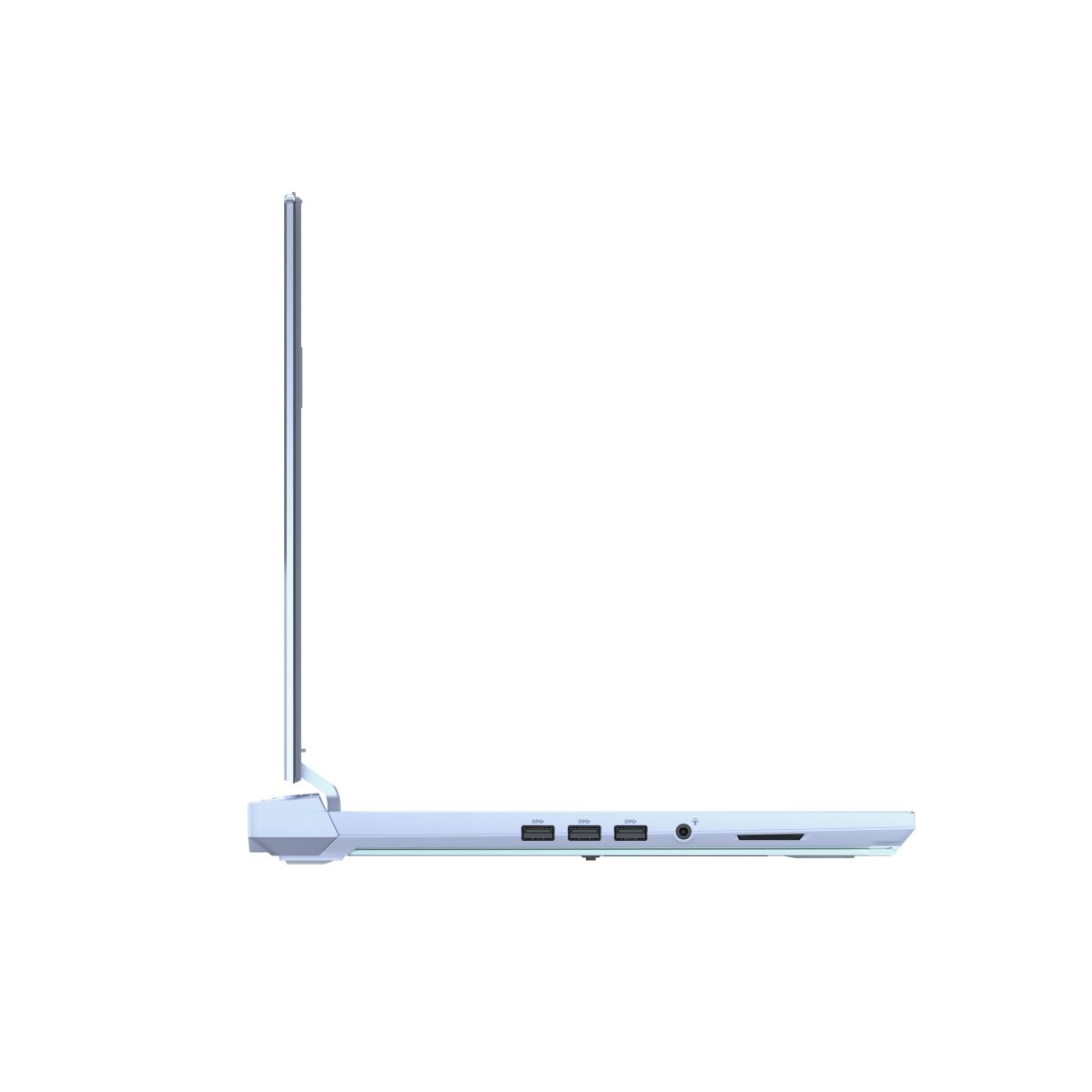
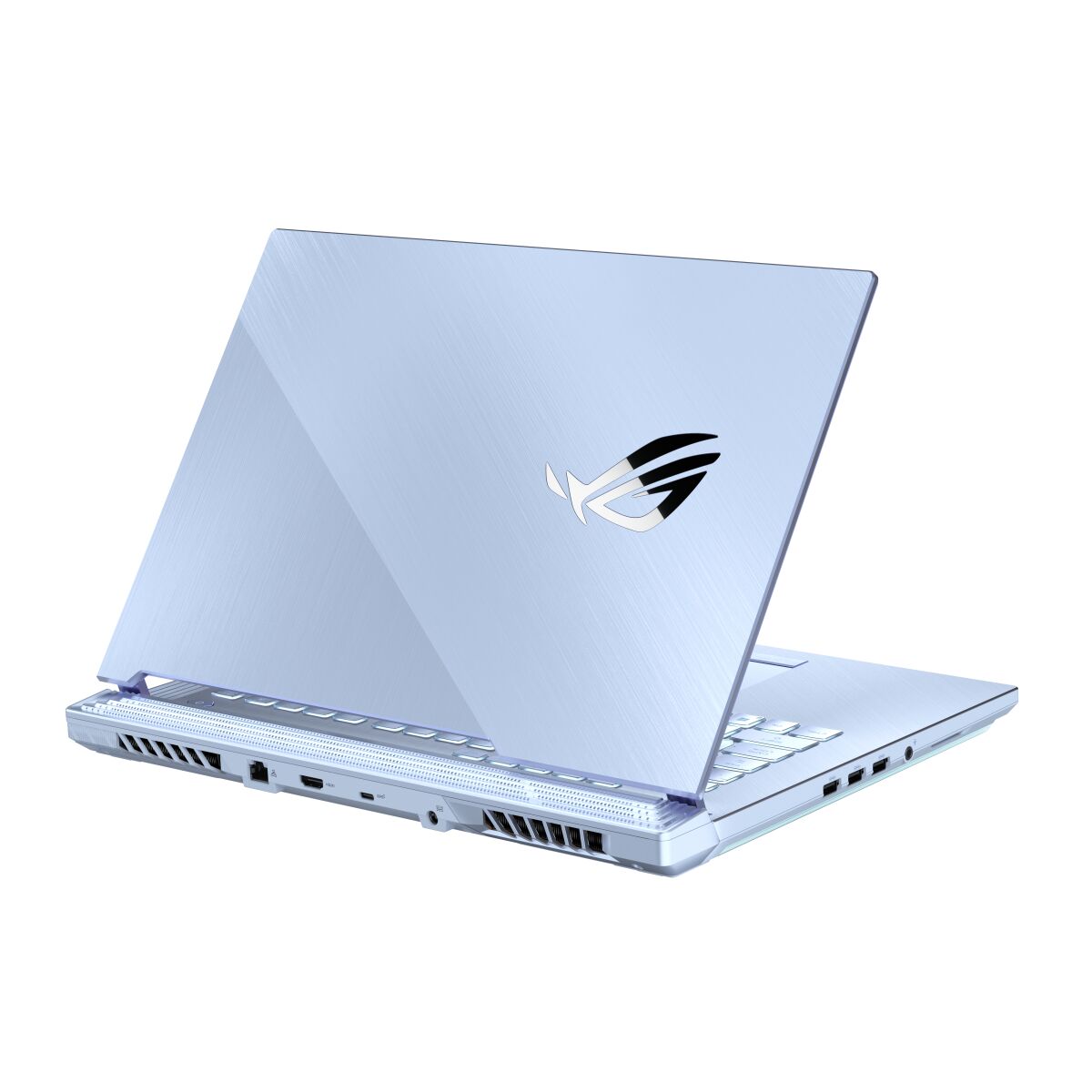
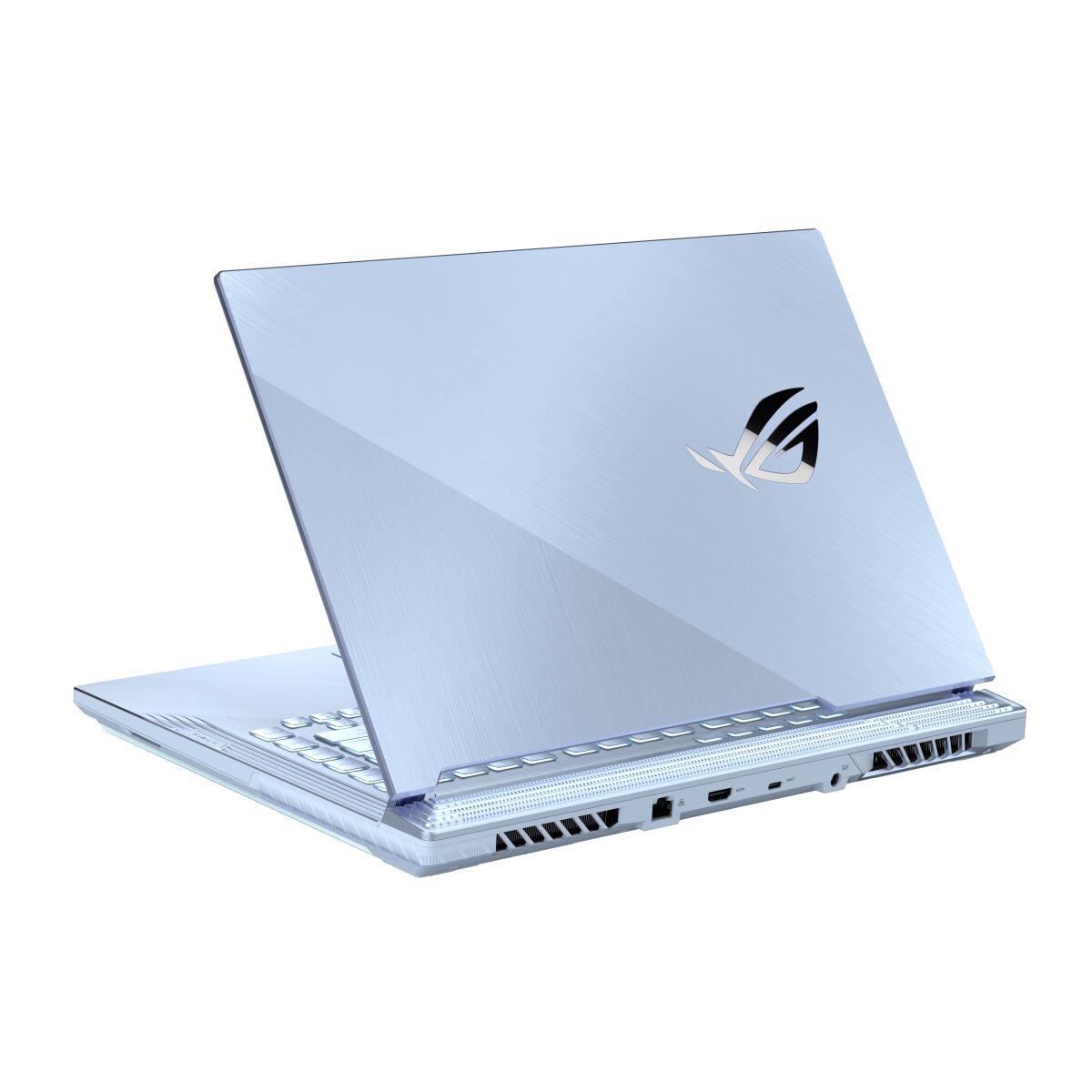

The ASUS ROG Strix G15 G512LWS-AZ012 laptop features two SO-DIMM slots supporting DDR4-SDRAM memory at 2933 MHz frequency. The upgrade specifications indicate maximum RAM capacity of 32 GB. Compatible memory modules must meet SO-DIMM form factor requirements for proper installation in the available slots. The dual-slot configuration allows for flexible memory upgrade options to enhance system performance specifications.
Memory Upgrade Specifications
| Specification | Value |
|---|---|
| Memory slots | 2x SO-DIMM |
| Form factor | SO-DIMM |
| Memory type | DDR4-SDRAM |
| Frequency | 2933 MHz |
| Maximum RAM | 32 GB |
| Voltage | 1.2V |
| Number of pins | 260-pin |
| Interface | PC4 |
| PC Speed Rating | PC4-2933 (PC4-23464) |
| Bandwidth | 23.5 GB/s |
| Laptop Release date | 04 February 2021 |
Additional Notes
- The ASUS ROG G512LWS-AZ012 utilizes a 2-slot SO-DIMM configuration, which means both slots must be populated to achieve the 32 GB maximum capacity. Removing either module or installing a single stick results in single-channel memory operation, reducing bandwidth by approximately 50% and degrading gaming and rendering performance.
- DDR4-2933 MHz represents a conservative frequency specification for this generation. Third-party DDR4 modules rated for 3200 MHz or higher will function in this system but will downclock to the native 2933 MHz specification; users cannot override this through firmware adjustments without voiding warranty coverage.
- The SO-DIMM form factor is physically smaller than standard DIMM modules and requires precise seating in the slot connectors. Installation errors such as incomplete seating or bent pins cannot be repaired through standard warranty service, necessitating careful handling during upgrades.
- Upgrading from the factory-installed modules to higher-density 16 GB SO-DIMM sticks is the only warranty-safe expansion path within the 32 GB ceiling. This ceiling cannot be exceeded regardless of module availability, imposing a hard limit on future storage scalability.
- Memory latency on DDR4-2933 systems typically ranges from 16-18 nanoseconds, which may introduce measurable frame rate variance in esports titles running above 144 frames per second compared to systems equipped with faster memory frequencies.