ASUS ROG G513IE-HN046T RAM upgrade specifications
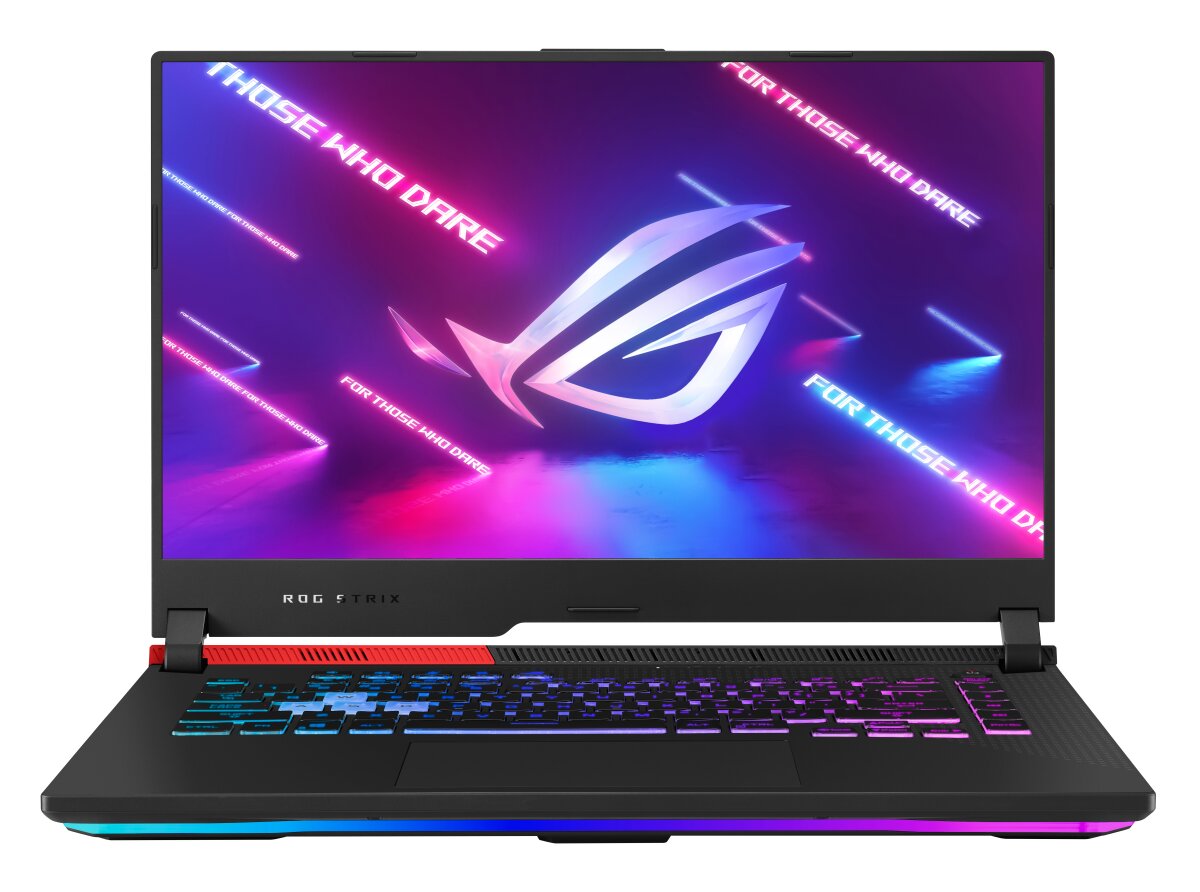
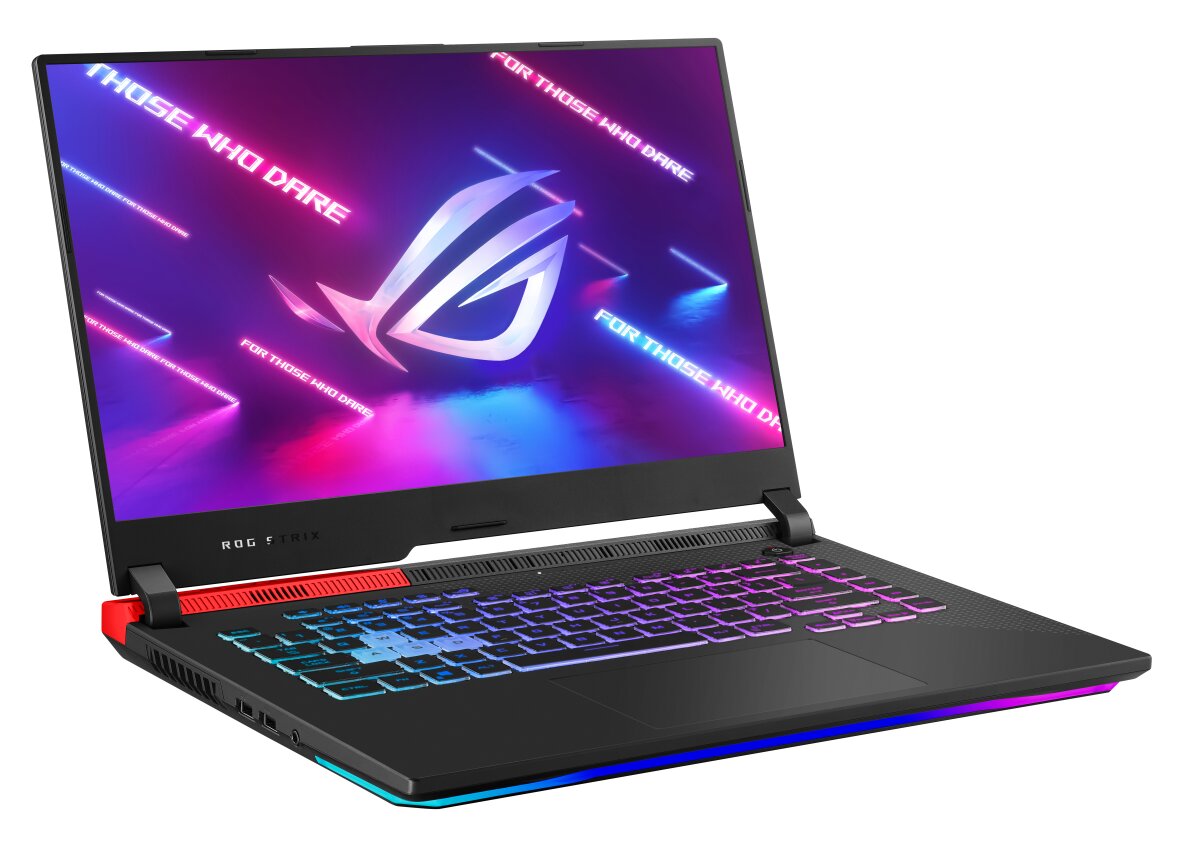
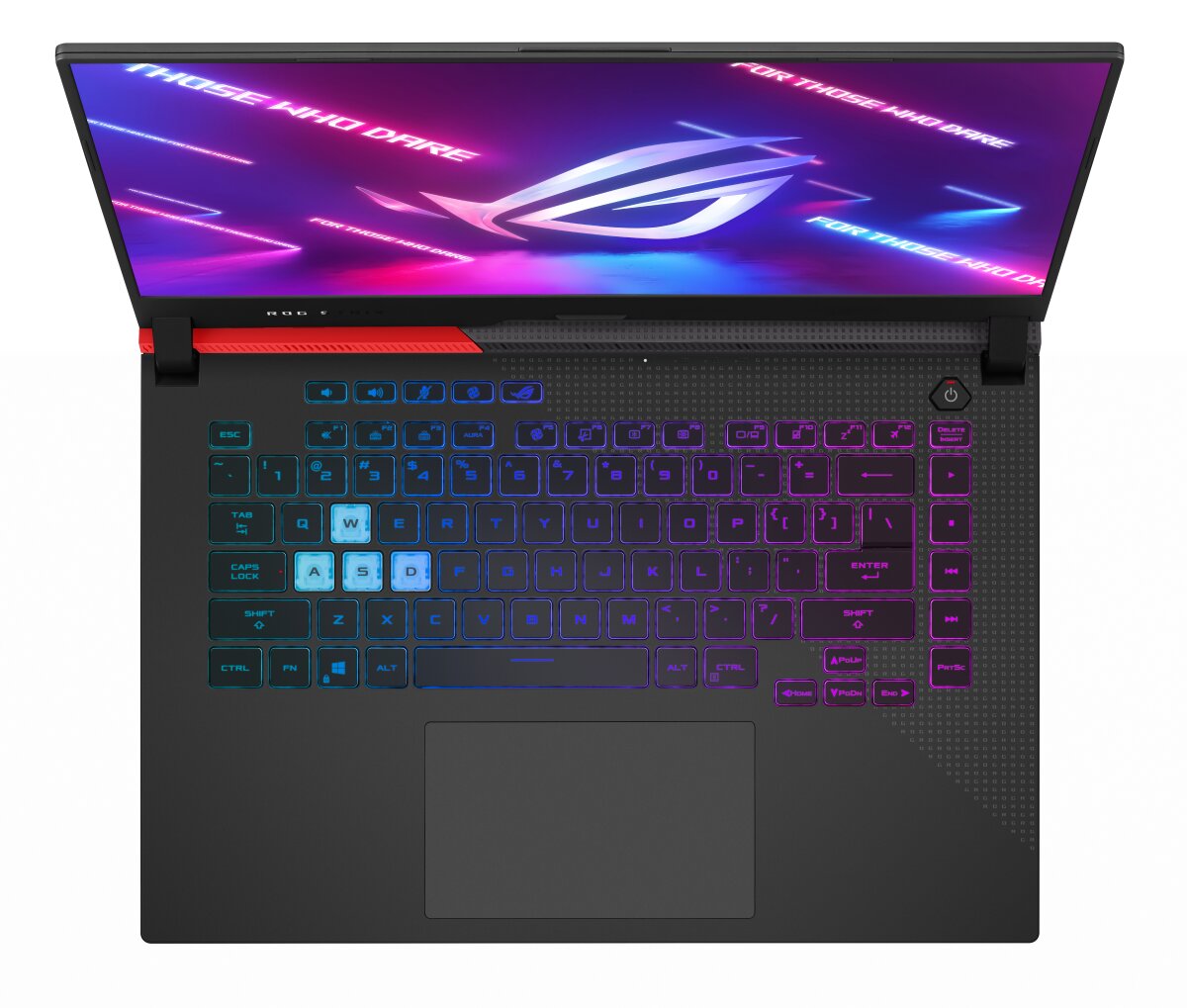
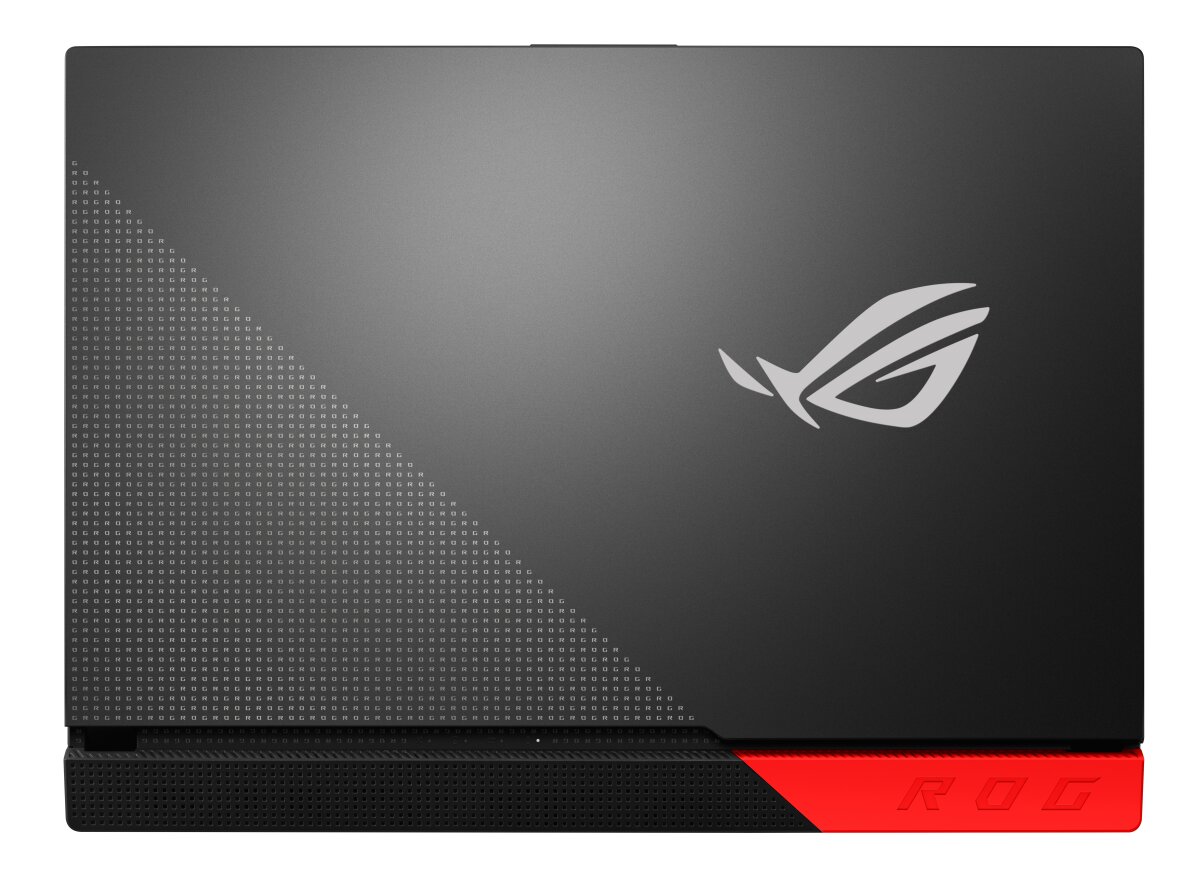
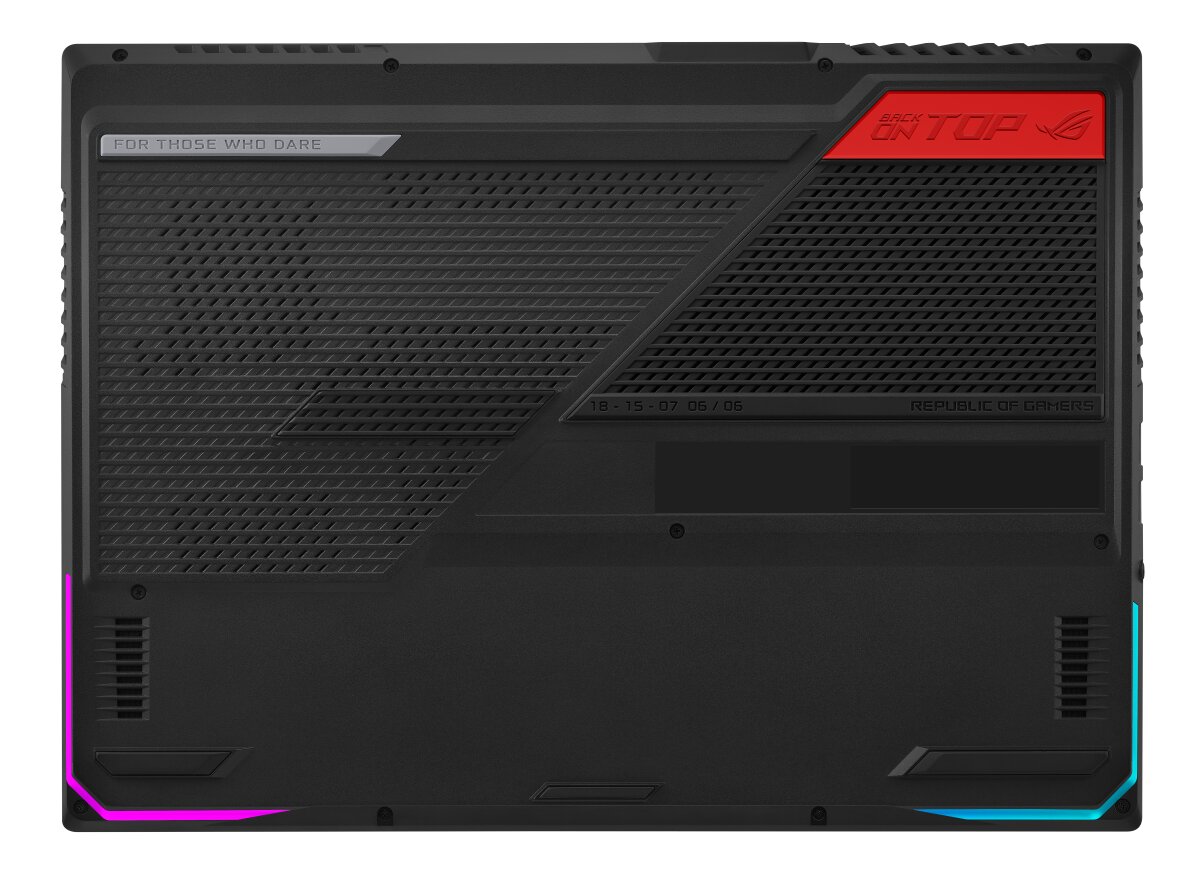
ASUS ROG Strix G15 model G513IE-HN046T features two SO-DIMM slots for memory upgrade capability. Compatible RAM specifications include DDR4-SDRAM operating at 3200 MHz frequency. Maximum supported capacity reaches 32 GB total memory. The laptop accommodates SO-DIMM form factor modules for RAM expansion. Current upgrade slots allow installation of matching memory modules to enhance system performance and multitasking capabilities within the specified DDR4 parameters and maximum capacity constraints.
Memory Upgrade Specifications
| Specification | Value |
|---|---|
| Memory slots | 2x SO-DIMM |
| Form factor | SO-DIMM |
| Memory type | DDR4-SDRAM |
| Frequency | 3200 MHz |
| Maximum RAM | 32 GB |
| Voltage | 1.2V |
| Number of pins | 260-pin |
| Interface | PC4 |
| PC Speed Rating | PC4-3200 (PC4-25600) |
| Bandwidth | 25.6 GB/s |
| Laptop Release date | 16 June 2021 |
Additional Notes
- The ASUS ROG G513IE-HN046T contains 2 SO-DIMM slots, meaning both slots must be populated to achieve the 32 GB maximum. Single-slot configurations leave half the memory architecture unused and prevent dual-channel operation, resulting in bandwidth reduction of approximately 50% compared to matched-pair installations.
- DDR4-3200 represents the optimal speed for this platform. Modules rated above 3200 MHz will throttle to this frequency due to BIOS limitations in the underlying chipset, making higher-speed purchases redundant. Modules below 3200 MHz will operate at their lower rated speed, creating asymmetric performance if mixed with 3200 MHz modules.
- SO-DIMM form factor constrains upgrade options to laptop-specific memory products. Desktop DDR4 modules (UDIMM) are physically incompatible and cannot be forced into the slots without permanent damage to the motherboard and module contacts.
- Upgrading beyond the factory-installed capacity requires removal of existing SO-DIMMs. This action typically voids the manufacturer's labor warranty on memory-related failures if performed outside authorized service channels, though component-level warranties on third-party modules remain independent.
- The 2-slot architecture creates a population ceiling at 32 GB total. Future memory demands exceeding this threshold cannot be addressed through additional slots, requiring complete module replacement rather than additive upgrades.