ASUS ROG G513IE-HN051 RAM upgrade specifications
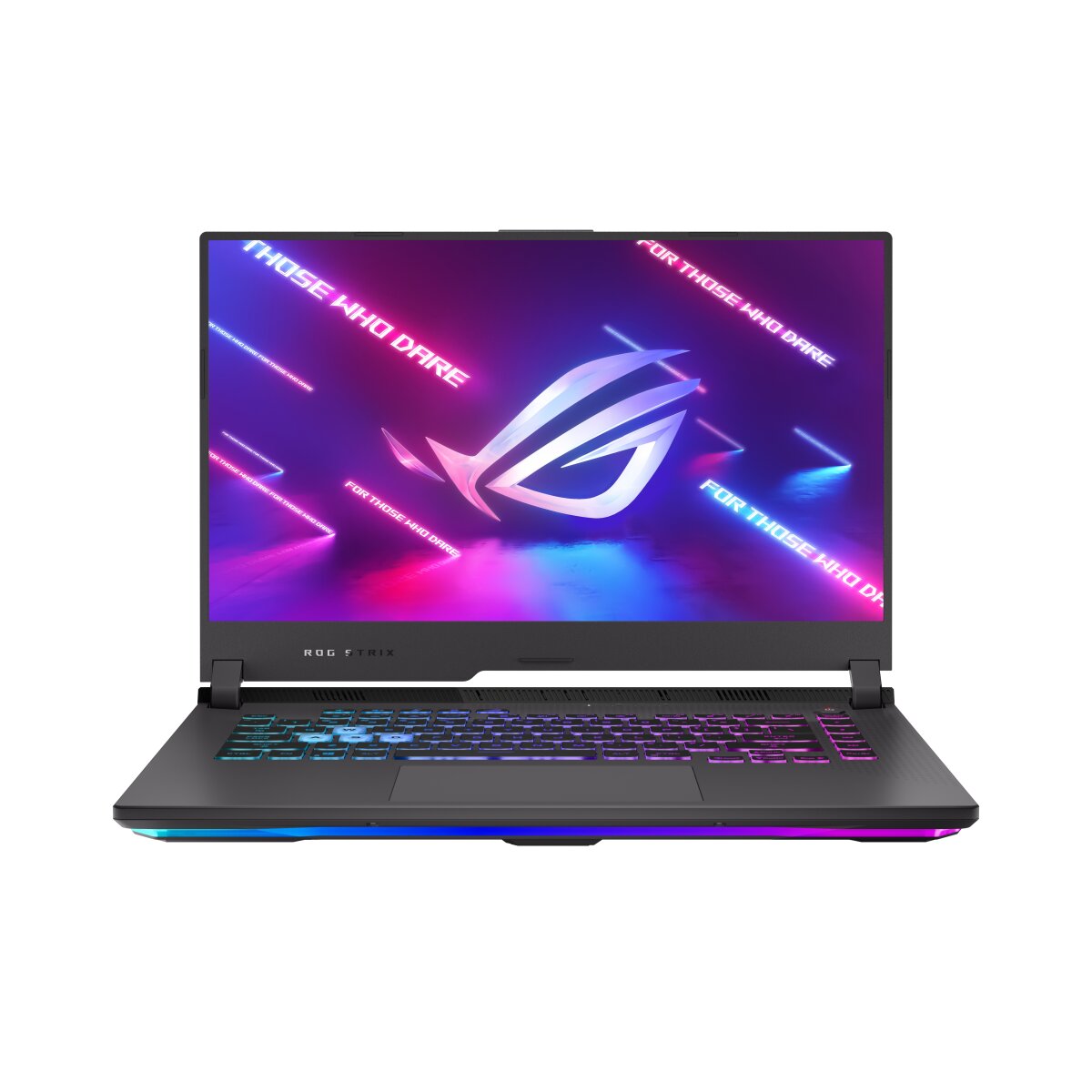
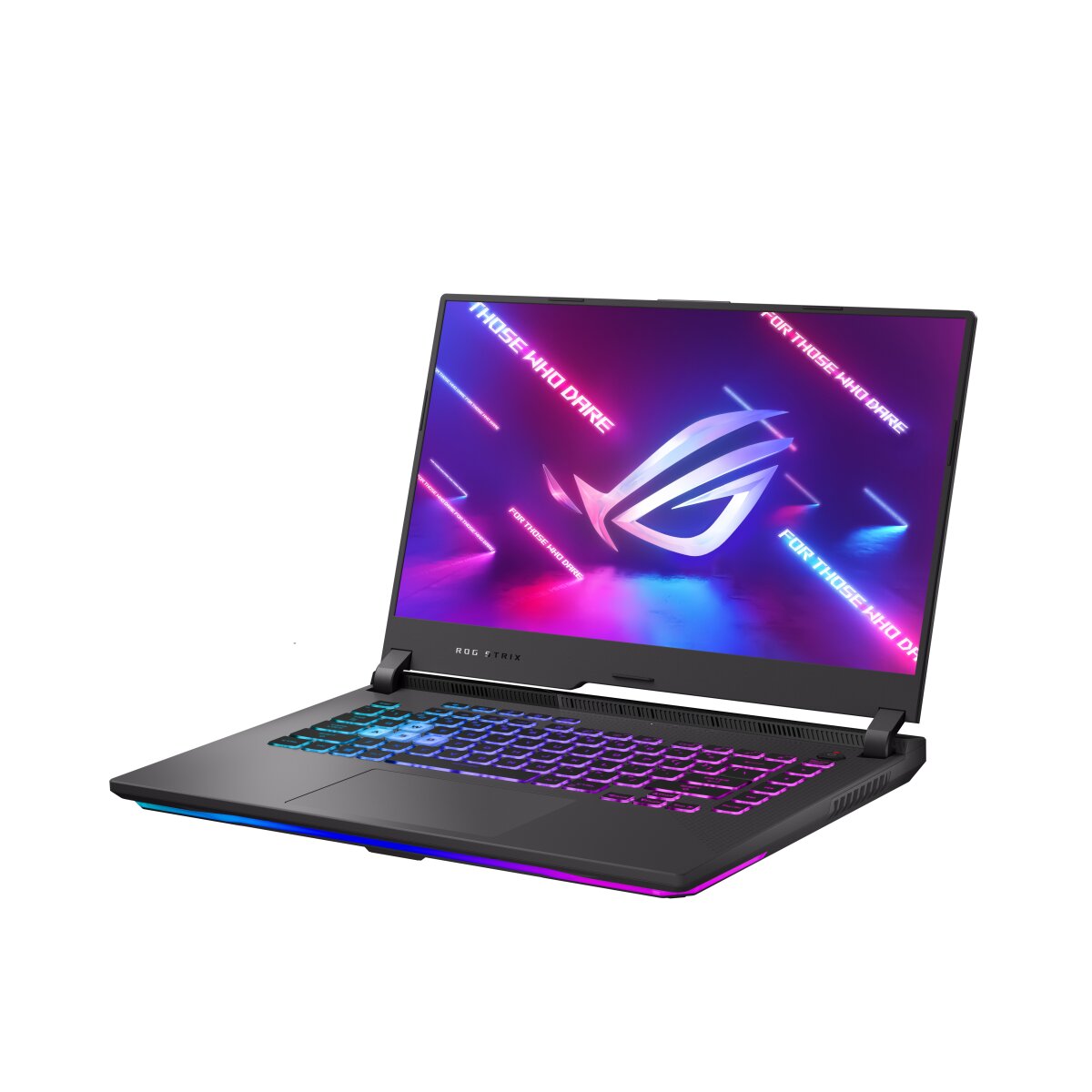
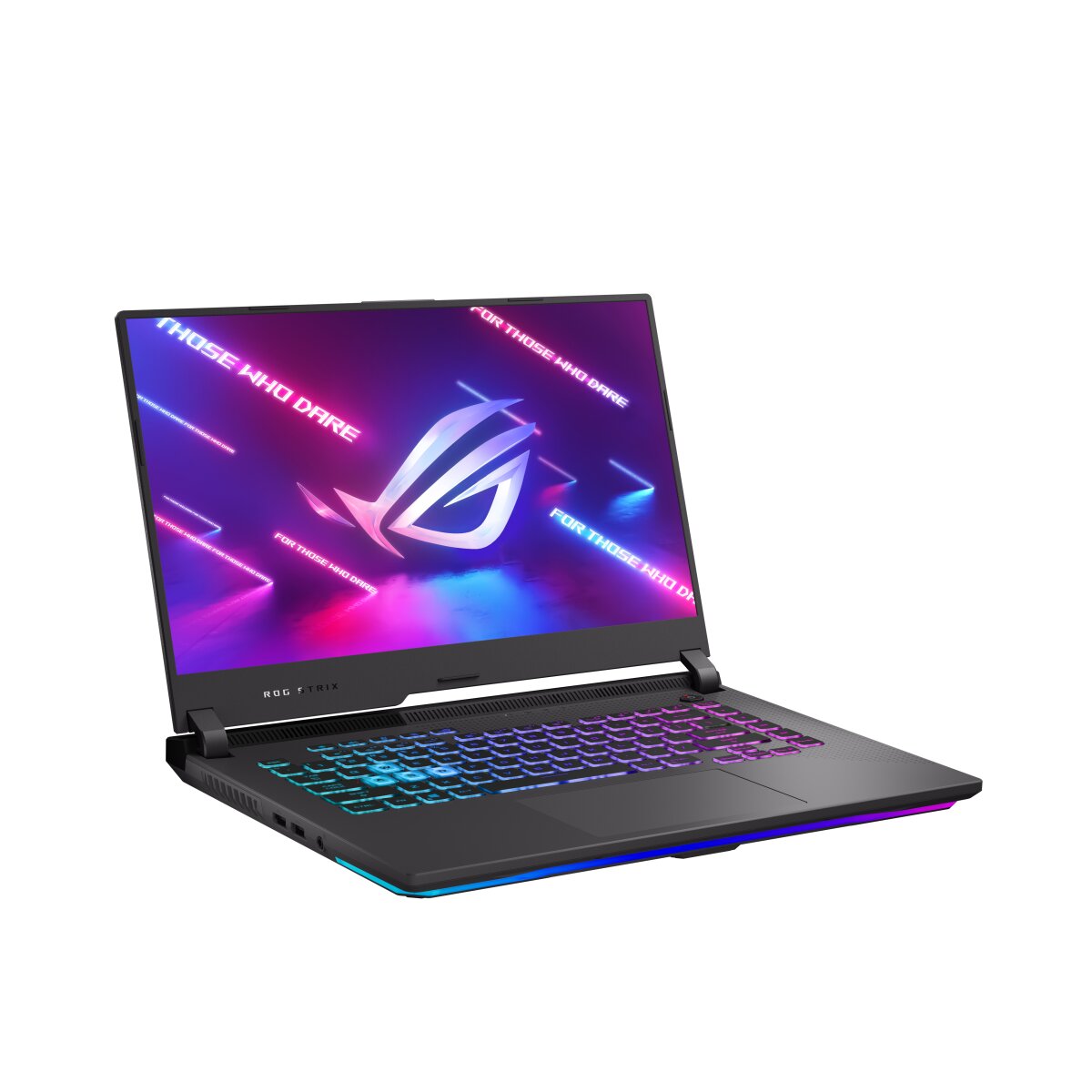
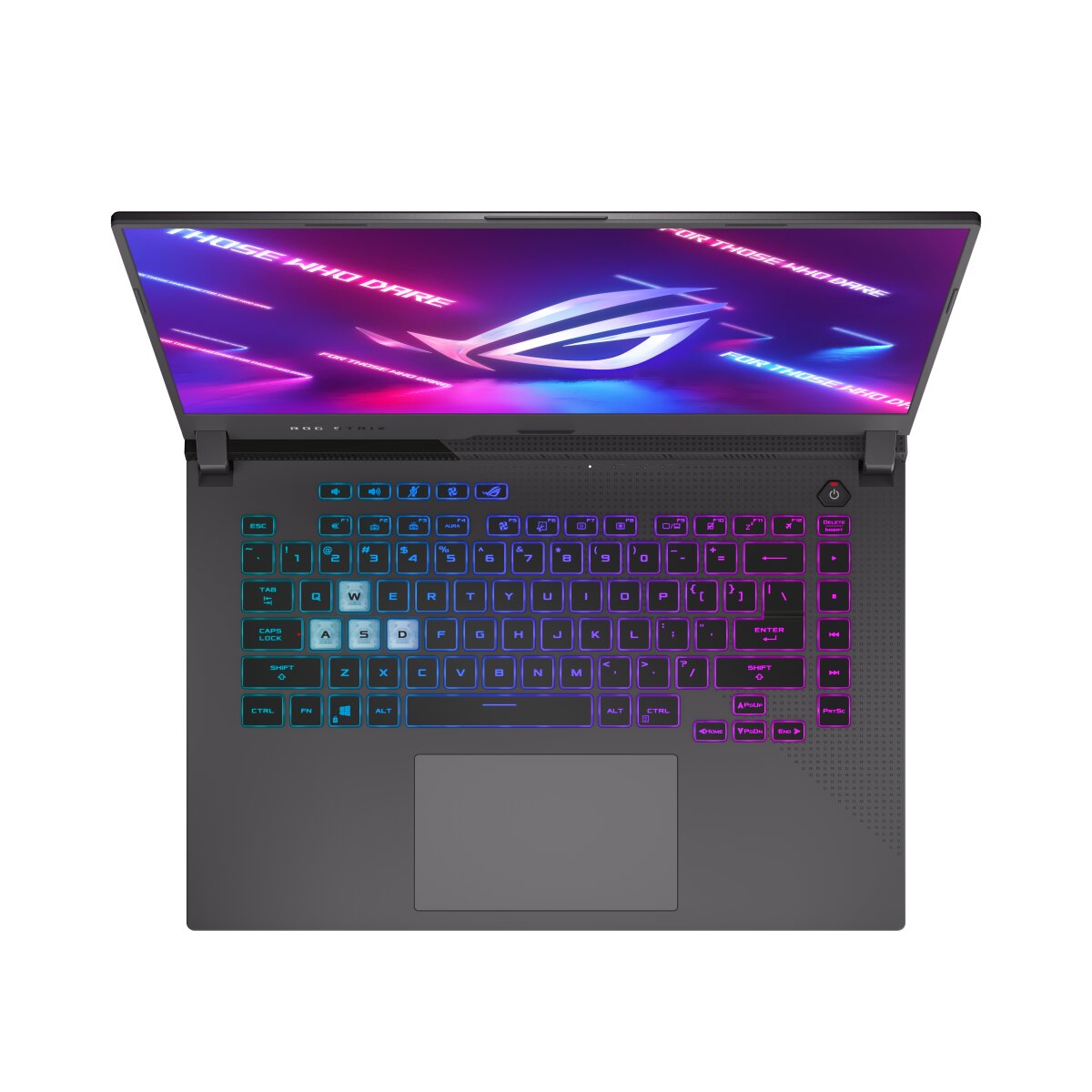
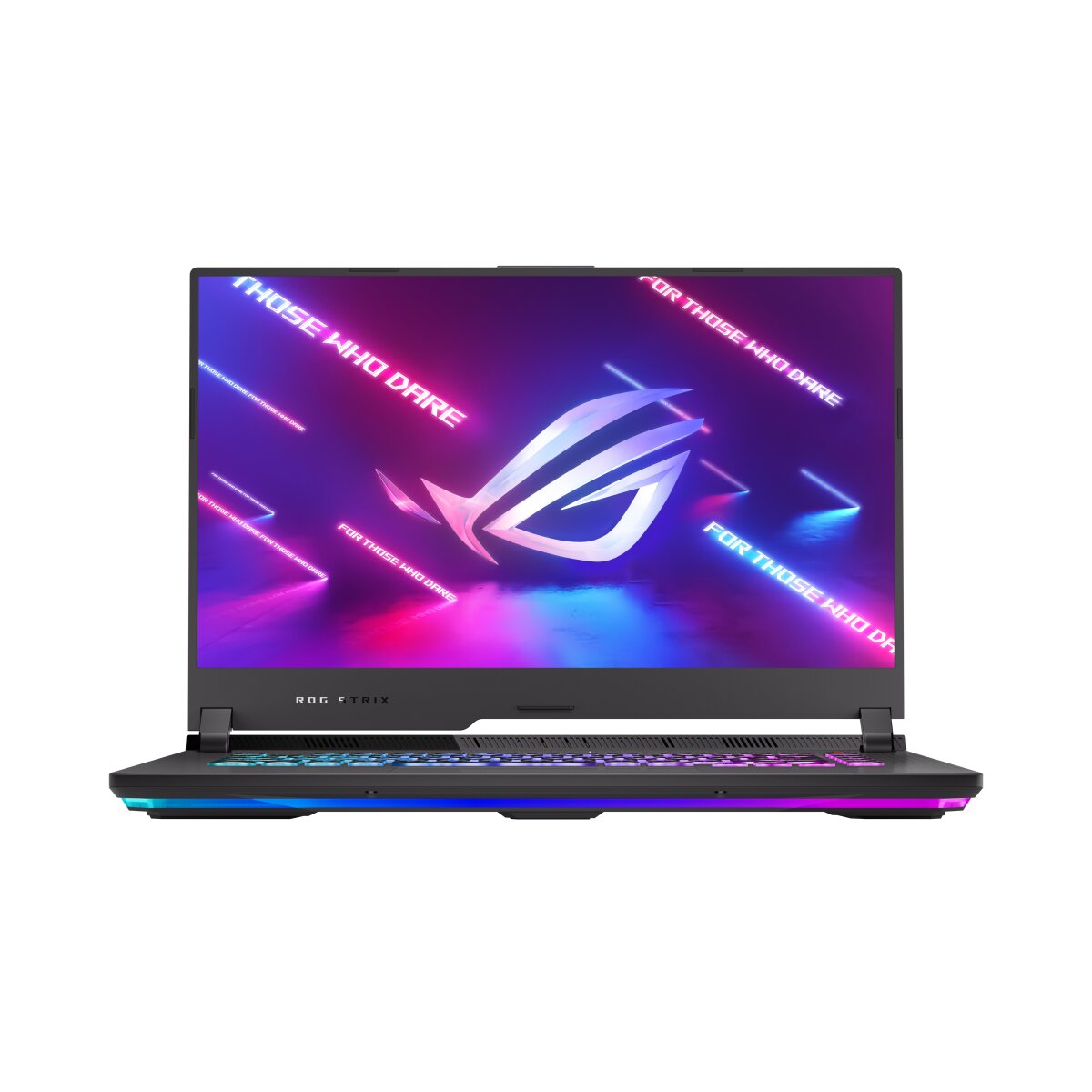
ASUS ROG Strix G15 G513IE-HN051 compatible memory upgrade specifications include DDR4-SDRAM technology with maximum capacity of 32 GB. The laptop features two SO-DIMM slots supporting DDR4 memory modules operating at 3200 MHz frequency. RAM upgrade options accommodate SO-DIMM form factor memory modules, enabling users to expand total system memory capacity up to the specified maximum. Compatible memory configurations support various capacity combinations within the dual-slot architecture for enhanced multitasking performance.
Memory Upgrade Specifications
| Specification | Value |
|---|---|
| Memory slots | 2x SO-DIMM |
| Form factor | SO-DIMM |
| Memory type | DDR4-SDRAM |
| Frequency | 3200 MHz |
| Maximum RAM | 32 GB |
| Voltage | 1.2V |
| Number of pins | 260-pin |
| Interface | PC4 |
| PC Speed Rating | PC4-3200 (PC4-25600) |
| Bandwidth | 25.6 GB/s |
Additional Notes
- The ASUS ROG G513IE-HN051 supports a maximum of 32 GB total capacity across its 2 SO-DIMM slots, which means each module cannot exceed 16 GB per slot to reach the ceiling.
- DDR4-3200 MHz modules are standard commodity components, but the system will downclock any faster DDR4 variant to 3200 MHz, making premium high-frequency kits economically inefficient for this platform.
- The SO-DIMM form factor requires low-profile memory modules; standard UDIMM desktop RAM is physically incompatible and cannot be installed regardless of electrical specifications.
- Both memory slots must be populated with matching capacity modules to enable dual-channel operation; single-slot configurations result in single-channel bandwidth reduction of approximately 50 percent.
- Upgrading from the factory configuration to 32 GB requires replacing both existing modules entirely rather than adding capacity, since the 2-slot limitation precludes mixed-capacity or additive expansion strategies.
- ECC memory modules, while electrically compatible with DDR4-3200 specifications, may not function correctly on this consumer gaming platform and should be avoided during replacement.
- Memory upgrades performed outside manufacturer service channels typically void component-level warranty coverage for the memory subsystem, though the rest of the system remains protected if performed correctly without physical damage.