ASUS ROG G513IE-HN065W RAM upgrade specifications
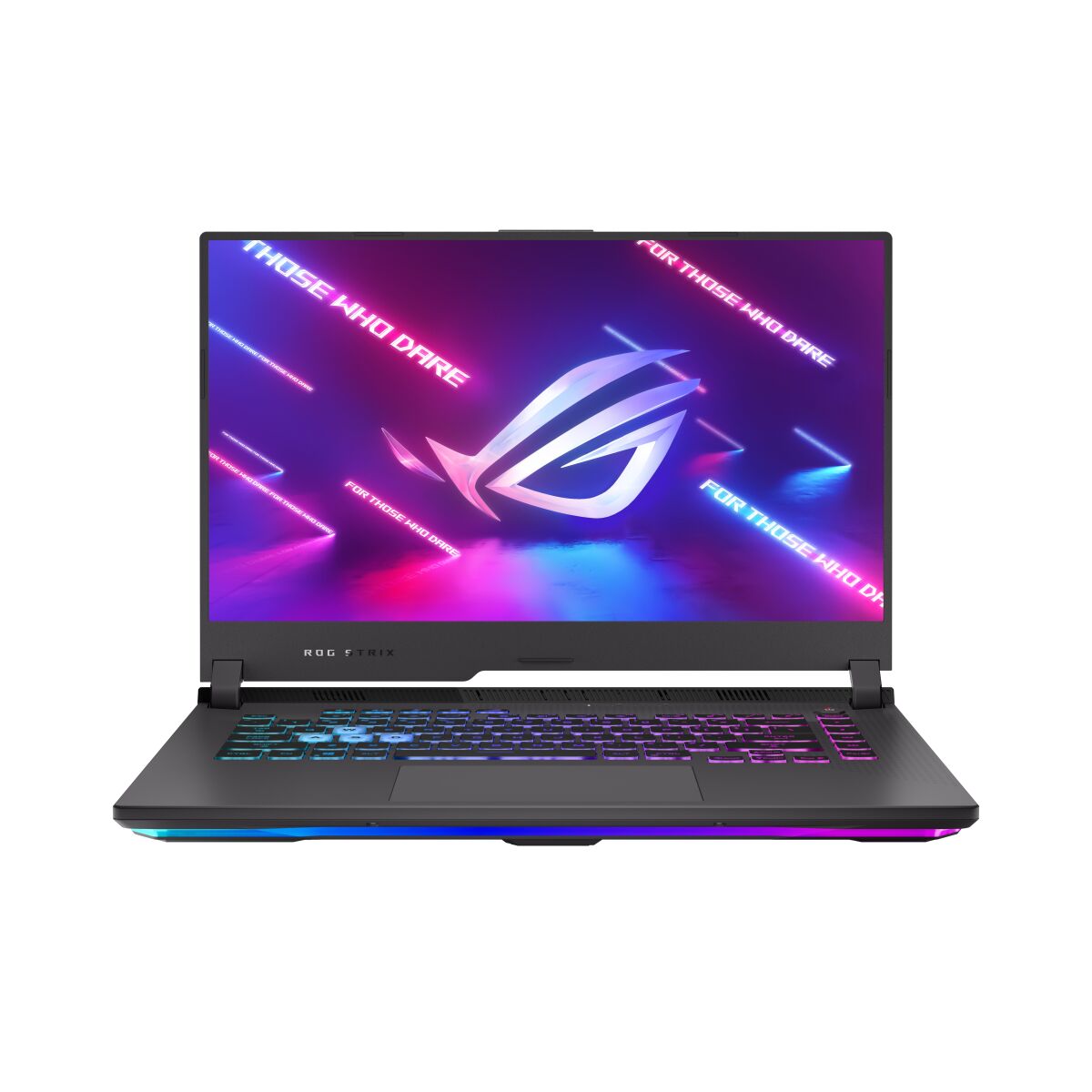

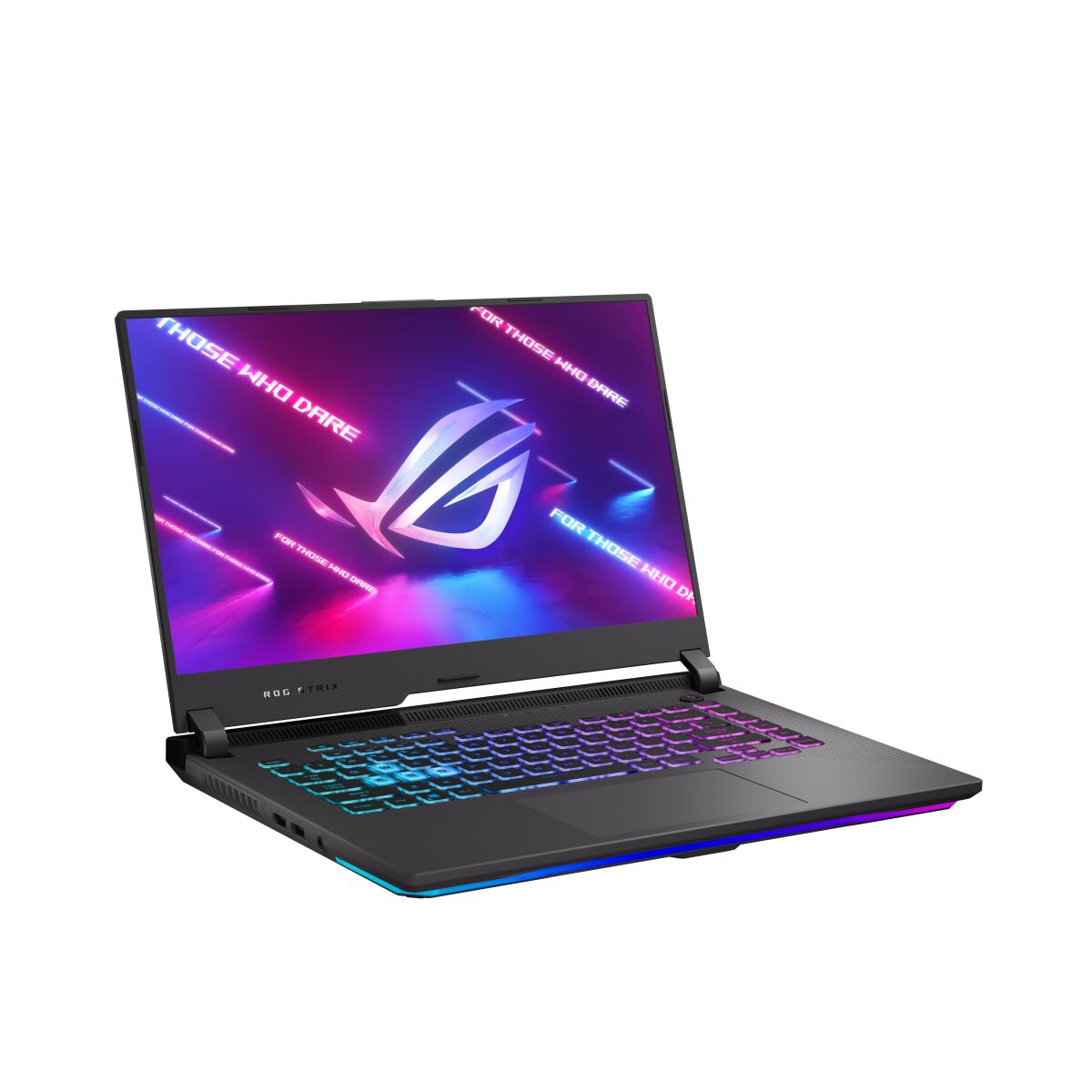
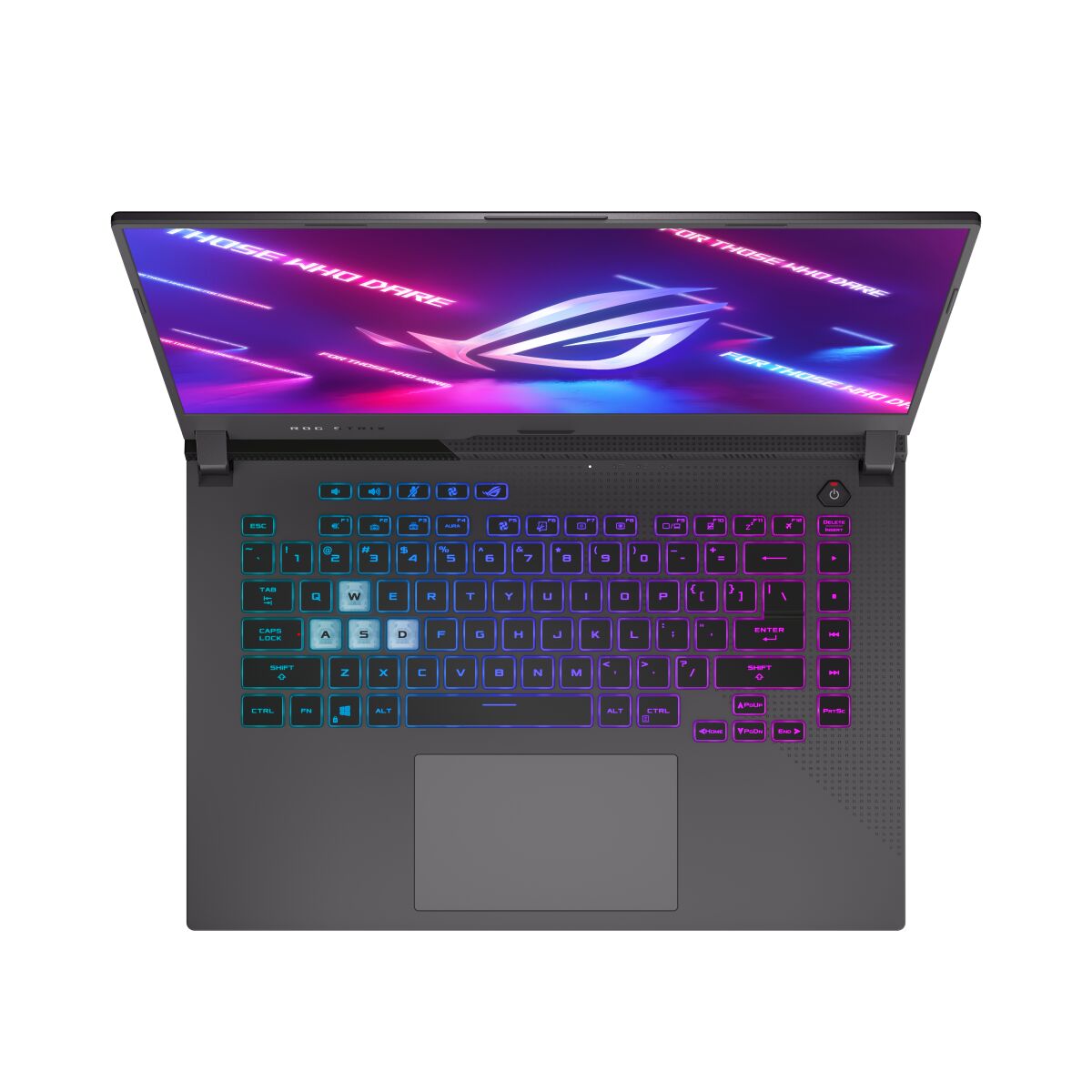
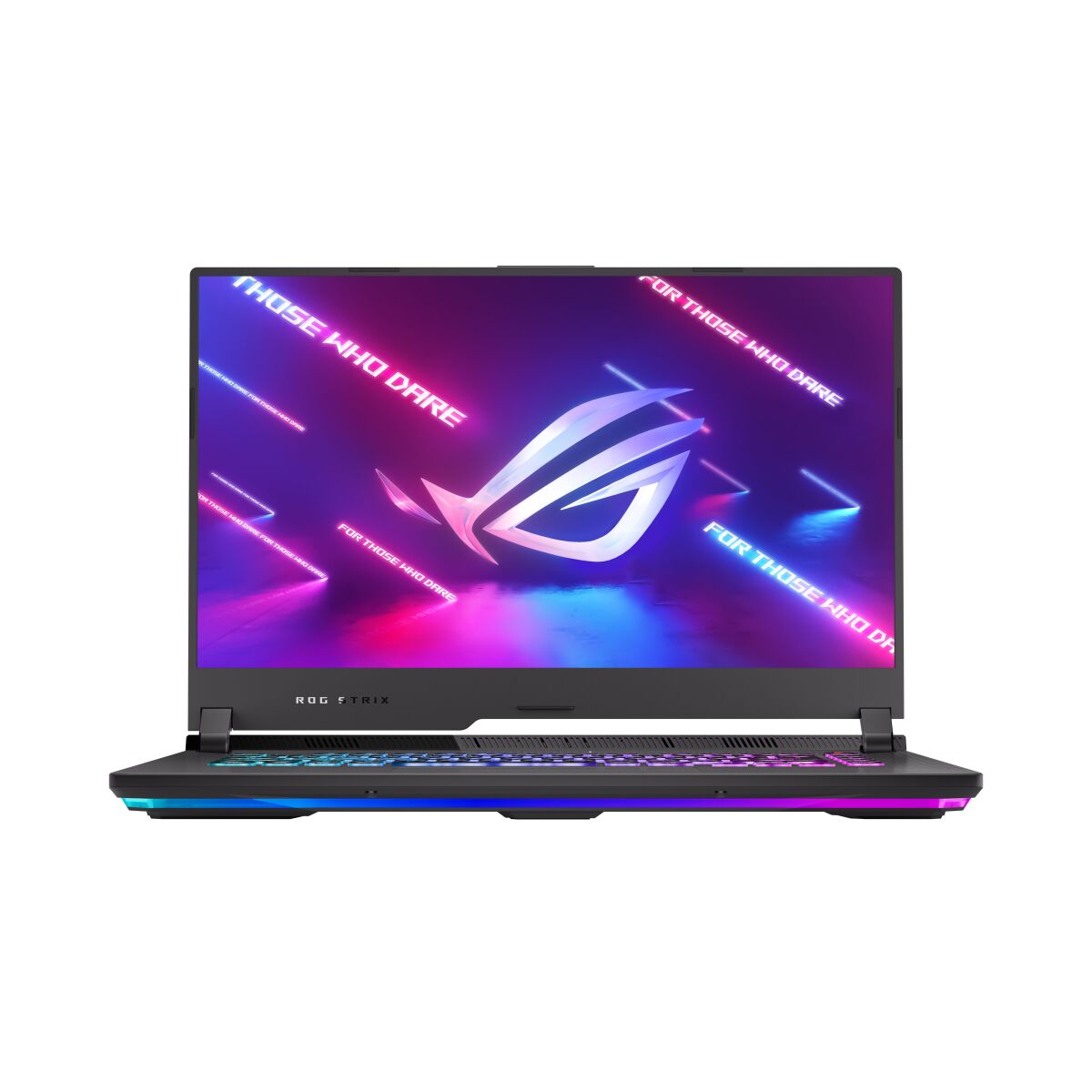
The ASUS ROG Strix G15 G513IE-HN065W supports DDR4-SDRAM memory upgrades with two SO-DIMM slots available for expansion. Maximum RAM capacity reaches 32 GB total, with compatible modules operating at 3200 MHz frequency. The SO-DIMM form factor specifications enable memory upgrades for this gaming laptop model. Specifications indicate dual-slot configuration allowing for modular RAM installation and capacity expansion within the defined maximum specifications.
Memory Upgrade Specifications
| Specification | Value |
|---|---|
| Memory slots | 2x SO-DIMM |
| Form factor | SO-DIMM |
| Memory type | DDR4-SDRAM |
| Frequency | 3200 MHz |
| Maximum RAM | 32 GB |
| Voltage | 1.2V |
| Number of pins | 260-pin |
| Interface | PC4 |
| PC Speed Rating | PC4-3200 (PC4-25600) |
| Bandwidth | 25.6 GB/s |
| Laptop Release date | 04 February 2022 |
Additional Notes
- The ASUS ROG G513IE-HN065W utilizes SO-DIMM modules exclusively, preventing desktop DIMM installation due to incompatible physical dimensions and pin configurations.
- The 32 GB maximum capacity restriction originates from chipset or memory controller limitations rather than physical slot availability.
- DDR4-3200 represents the JEDEC standard specification, though actual achieved speeds depend on CPU memory controller support and dual-channel population.
- Installing modules exceeding 16 GB per slot may result in system instability or failure to POST if the memory controller lacks 32 GB total density support.
- Single-slot population degrades memory bandwidth to half-rate operation compared to matched dual-channel configuration at 3200 MHz.
- Mixing modules with different densities, ranks, or timings typically forces operation at lowest common denominator specifications or prevents boot entirely.
- DDR5 modules remain physically and electrically incompatible despite identical SO-DIMM form factor due to altered notch positioning and voltage requirements.
- The 2 slot configuration provides no redundancy for faulty module isolation without complete removal and sequential testing.
- Non-JEDEC XMP profiles exceeding 3200 MHz may remain disabled without BIOS support for SPD profile selection on this platform.
- Accessing both memory slots on gaming laptops often requires bottom panel removal, potentially voiding seals linked to warranty terms.
- Thermal considerations become critical when maximizing capacity, as denser modules generate increased heat within confined laptop chassis airflow.
- ECC SO-DIMM modules will either operate in non-ECC mode or fail compatibility checks depending on memory controller implementation.
- Upgrade timing affects availability, as DDR4 SO-DIMM production declines with industry transition toward DDR5 standard modules.