ASUS ROG G513IE-HN085 RAM upgrade specifications
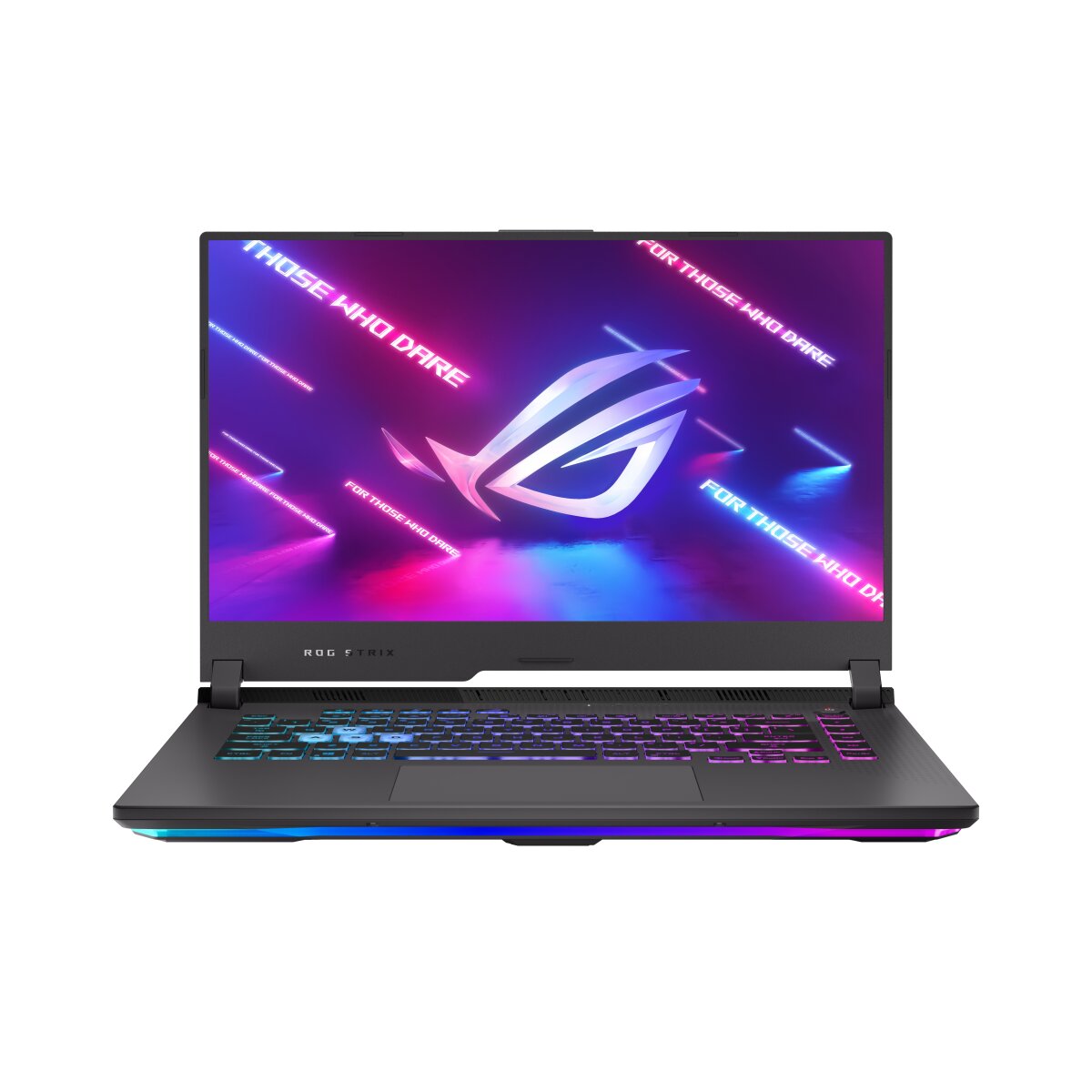
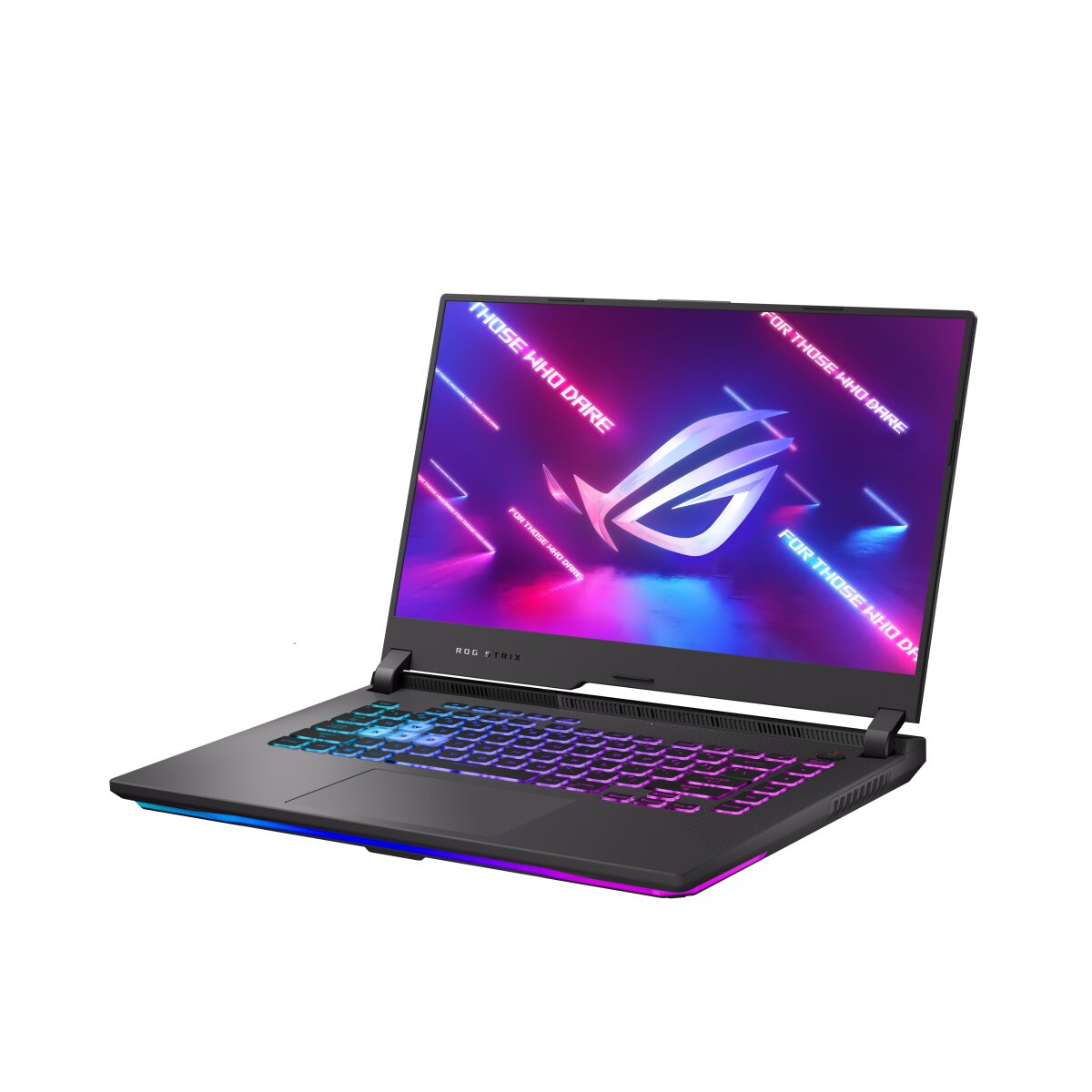
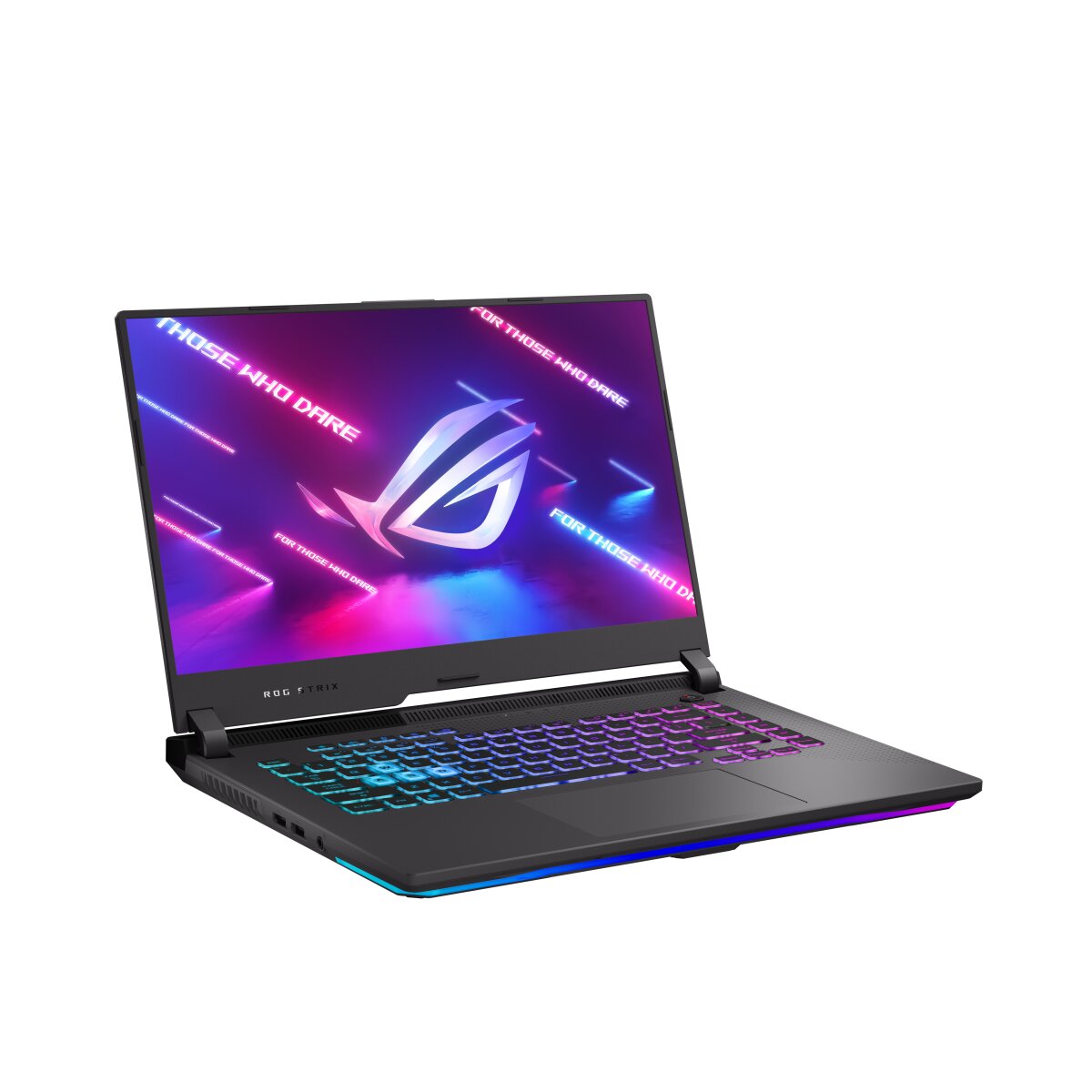
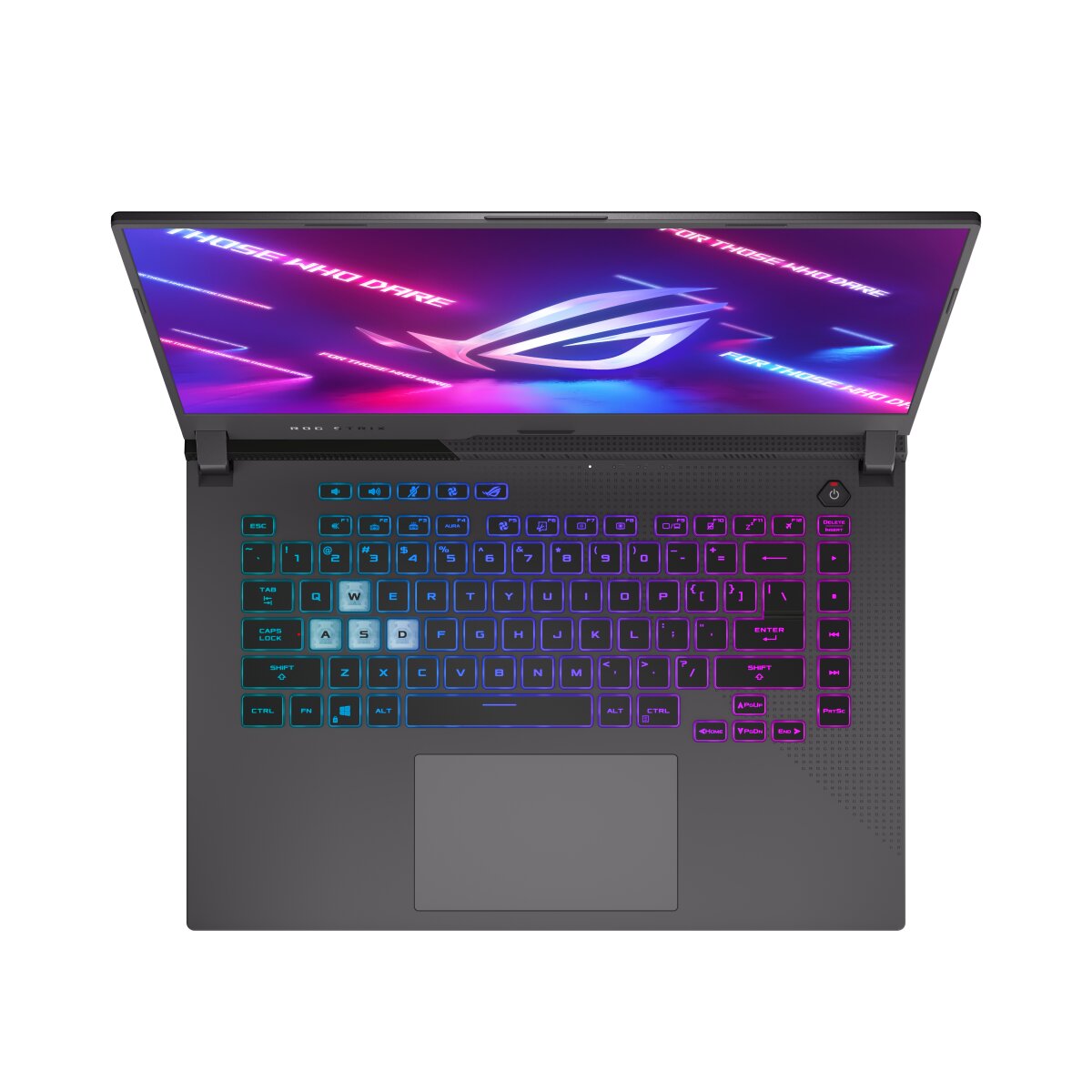
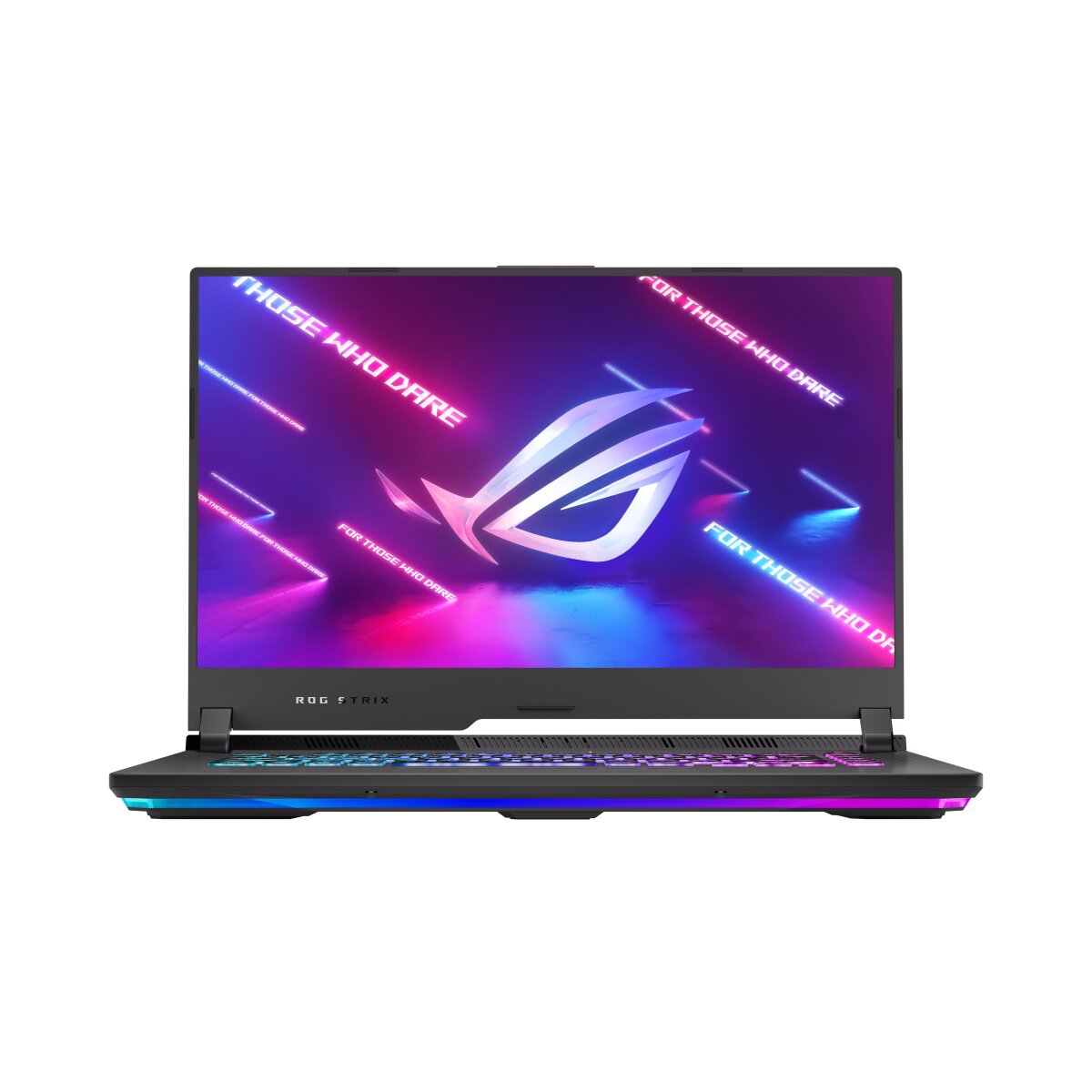
The ASUS ROG Strix G15 G513IE-HN085 features DDR4-SDRAM memory upgrade specifications with two SO-DIMM slots supporting maximum capacity of 32 GB total RAM. Compatible memory modules operate at 3200 MHz frequency. The laptop accepts SO-DIMM form factor upgrades, allowing users to expand memory capacity by replacing or adding compatible DDR4 modules to each of the available slots for enhanced system performance.
Memory Upgrade Specifications
| Specification | Value |
|---|---|
| Memory slots | 2x SO-DIMM |
| Form factor | SO-DIMM |
| Memory type | DDR4-SDRAM |
| Frequency | 3200 MHz |
| Maximum RAM | 32 GB |
| Voltage | 1.2V |
| Number of pins | 260-pin |
| Interface | PC4 |
| PC Speed Rating | PC4-3200 (PC4-25600) |
| Bandwidth | 25.6 GB/s |
| Laptop Release date | 28 August 2022 |
Additional Notes
- The ASUS ROG G513IE-HN085 uses laptop-class SO-DIMM slots rather than desktop DIMM form factors, restricting upgrade sources to mobile-specific memory modules and preventing use of standard desktop RAM.
- DDR4-3200 represents the upper frequency ceiling for this platform; installing faster DDR4 modules (3600 MHz or higher) will downclock to 3200 MHz, eliminating any performance gain and wasting capital on premium-tier memory.
- 2 SO-DIMM slots with a 32 GB maximum capacity indicates no single slot can exceed 16 GB; upgrading beyond factory configuration requires replacing both original modules simultaneously rather than supplementing existing memory.
- DDR4 SO-DIMM modules must match the 3200 MHz specification to ensure JEDEC standard compatibility and stable operation; mixing frequency rates risks system instability or forced downclocking of all installed modules to the slowest module's speed.
- The 2-slot architecture creates a bandwidth saturation point where dual-channel operation reaches its optimization ceiling; adding a 3rd or 4th memory module is physically impossible on this platform.
- BIOS settings may lock memory frequency to Intel XMP profiles or manual overclocking modes; DDR4-3200 compliance assumes factory BIOS defaults rather than enthusiast tuning, and custom frequency adjustments may void manufacturer support.