ASUS ROG G513IE-HN086W RAM upgrade specifications
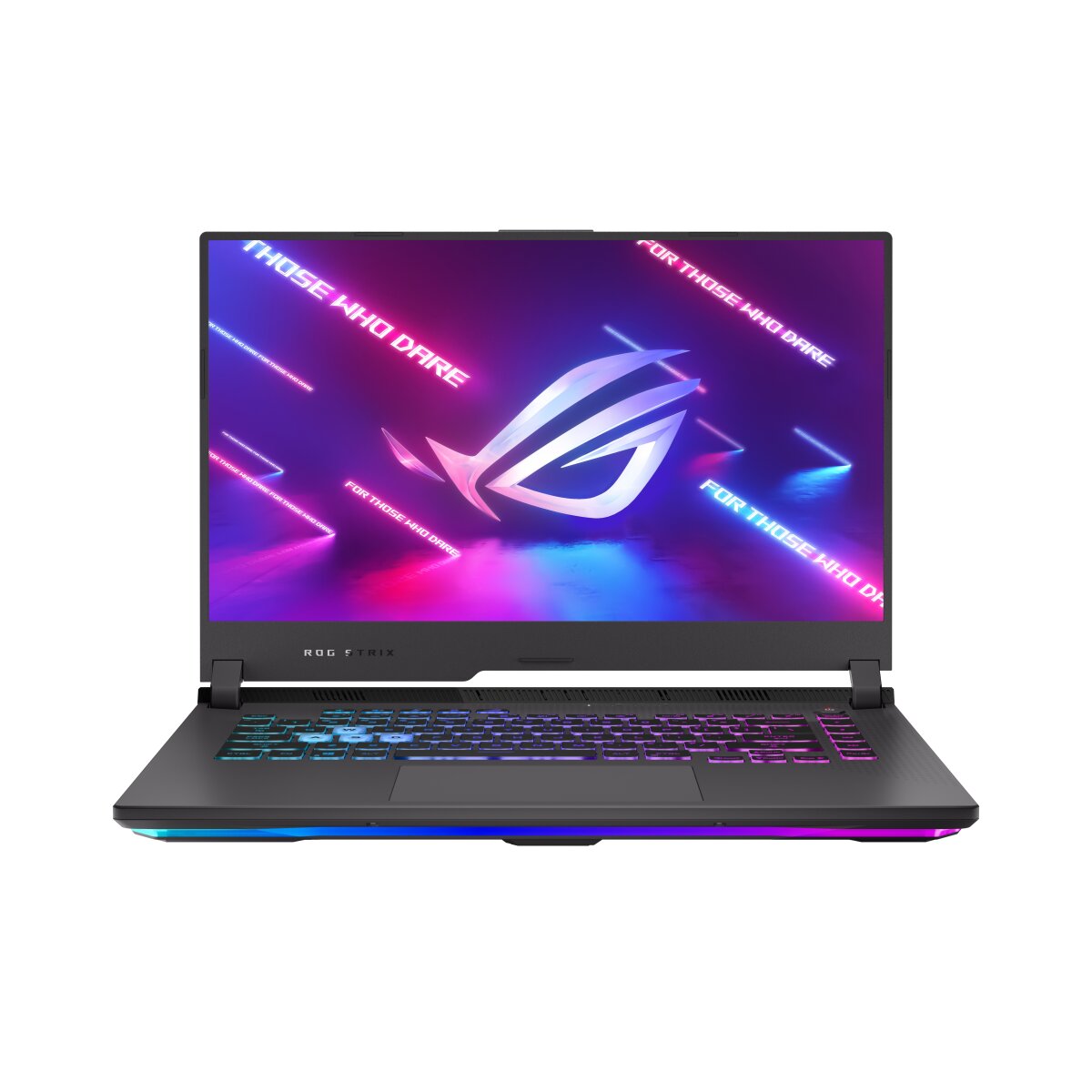


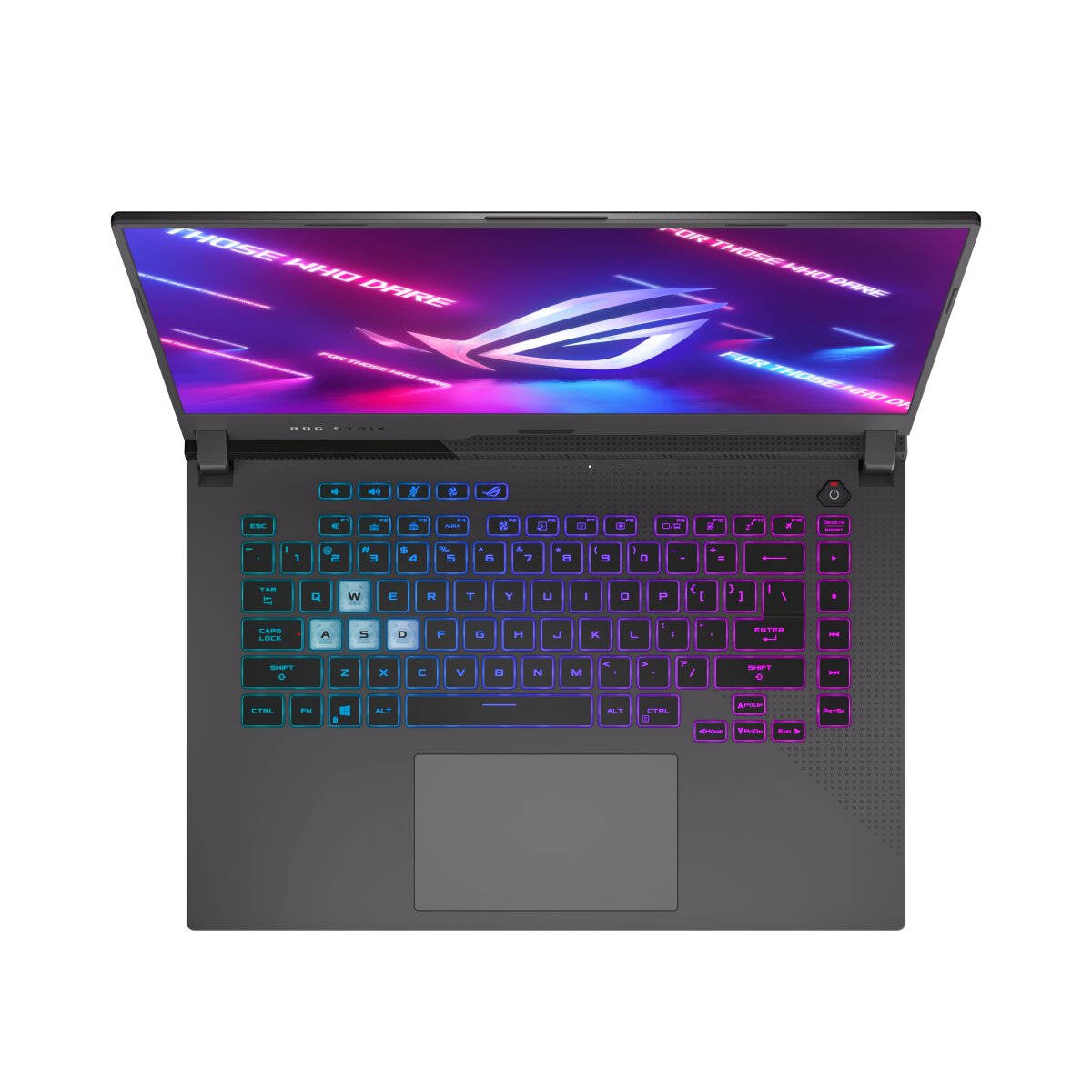
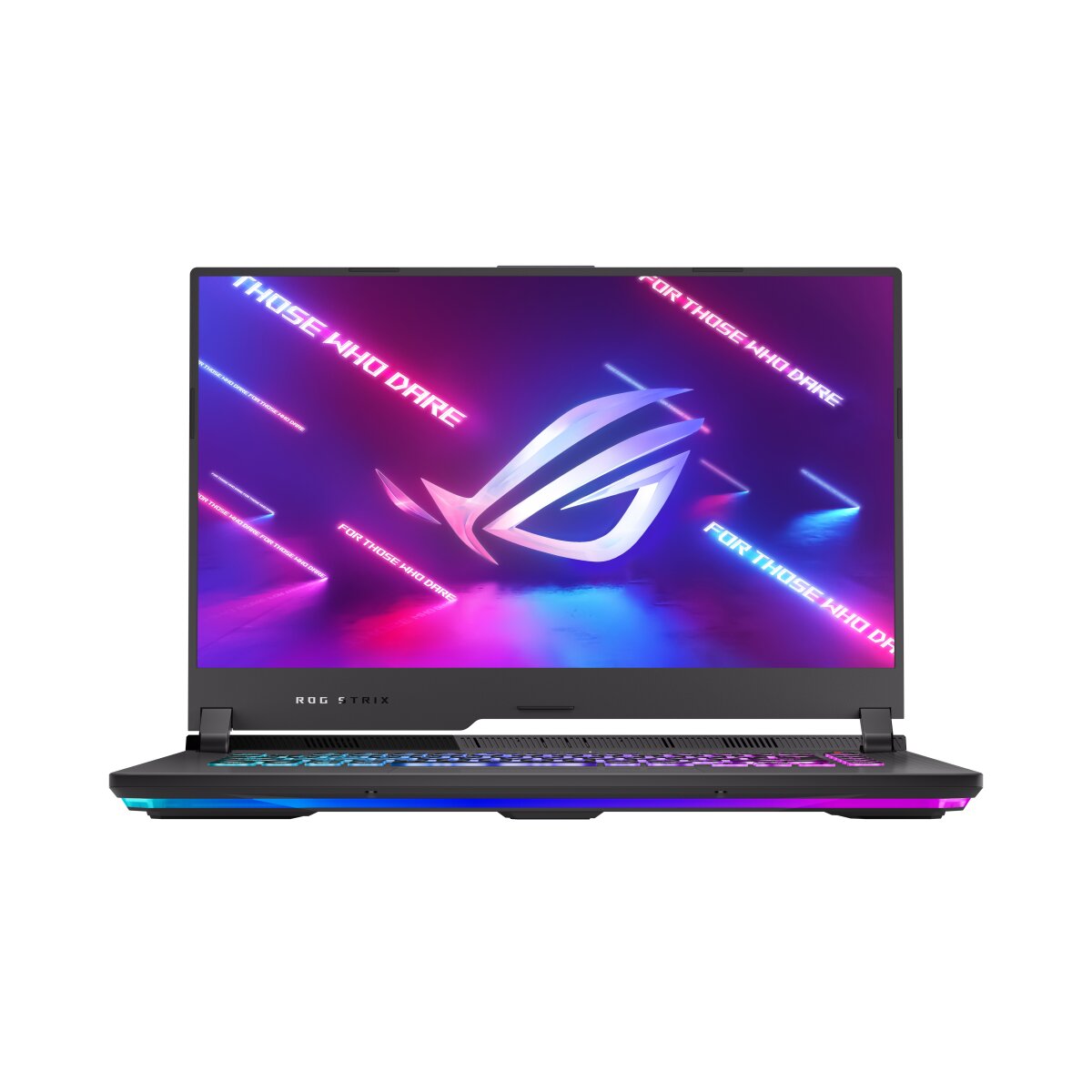
The ASUS ROG Strix G15 G513IE-HN086W gaming laptop features dual SO-DIMM memory slots supporting DDR4-SDRAM upgrade capability. The system accommodates maximum RAM capacity of 32 GB total, with compatible memory operating at 3200 MHz frequency. The SO-DIMM form factor specifications enable straightforward memory module replacement for users requiring expanded multitasking and performance capabilities on the Strix G15 series platform.
Memory Upgrade Specifications
| Specification | Value |
|---|---|
| Memory slots | 2x SO-DIMM |
| Form factor | SO-DIMM |
| Memory type | DDR4-SDRAM |
| Frequency | 3200 MHz |
| Maximum RAM | 32 GB |
| Voltage | 1.2V |
| Number of pins | 260-pin |
| Interface | PC4 |
| PC Speed Rating | PC4-3200 (PC4-25600) |
| Bandwidth | 25.6 GB/s |
| Laptop Release date | 13 October 2022 |
Additional Notes
- The ASUS ROG G513IE-HN086W employs dual-channel SO-DIMM architecture, meaning both slots must be populated with matching specifications to maintain optimal memory bandwidth.
- The 32 GB maximum capacity constraint stems from chipset limitations rather than physical slot restrictions, making 64 GB configurations incompatible regardless of module availability.
- DDR4-3200 represents the native JEDEC specification, meaning modules rated above this speed will downclock automatically unless the system supports XMP/DOCP profiles.
- SO-DIMM modules differ physically from standard DIMM modules through a reduced pin count (260-pin vs 288-pin), preventing desktop memory installation attempts.
- Memory frequency verification requires BIOS confirmation, as some manufacturers lock speeds below rated specifications to maintain thermal or power delivery margins.
- Upgrading from single-channel to dual-channel configuration can yield 20-40% performance gains in memory-intensive applications and integrated graphics workloads.
- Non-matching module capacities between slots will force the system into asymmetric dual-channel mode, which maintains some bandwidth benefits but introduces potential latency penalties.
- The 3200 MHz specification requires CL22 or lower latency timing for optimal gaming frame consistency, as higher CAS latencies negate bandwidth improvements.
- Warranty preservation typically requires using modules that meet or exceed original specifications without voltage modifications beyond standard 1.2V DDR4 parameters.
- Temperature considerations in compact laptop chassis favor modules with standard height heat spreaders or bare PCB designs over gaming-oriented high-profile solutions.