ASUS ROG G513IH-HN006 RAM upgrade specifications
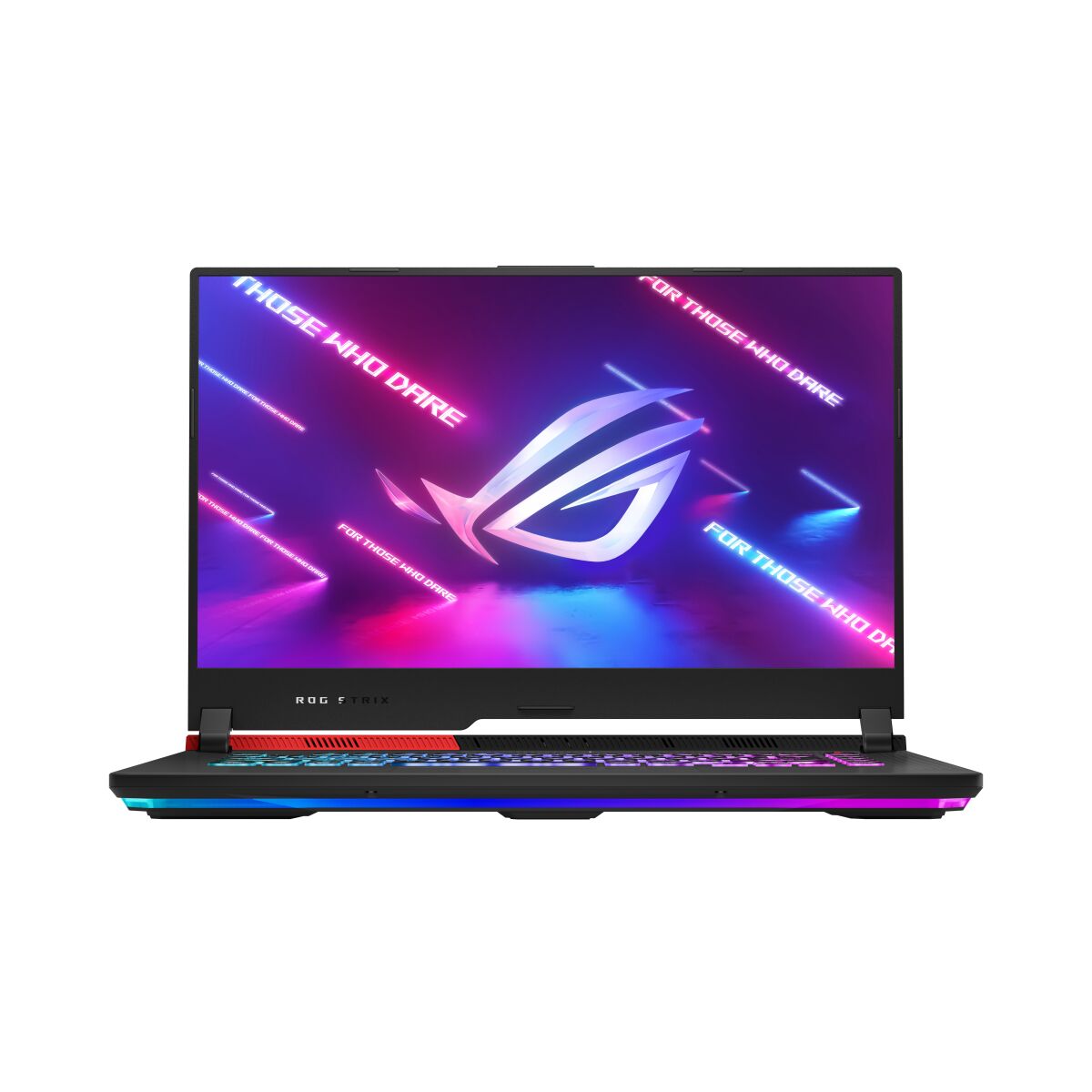
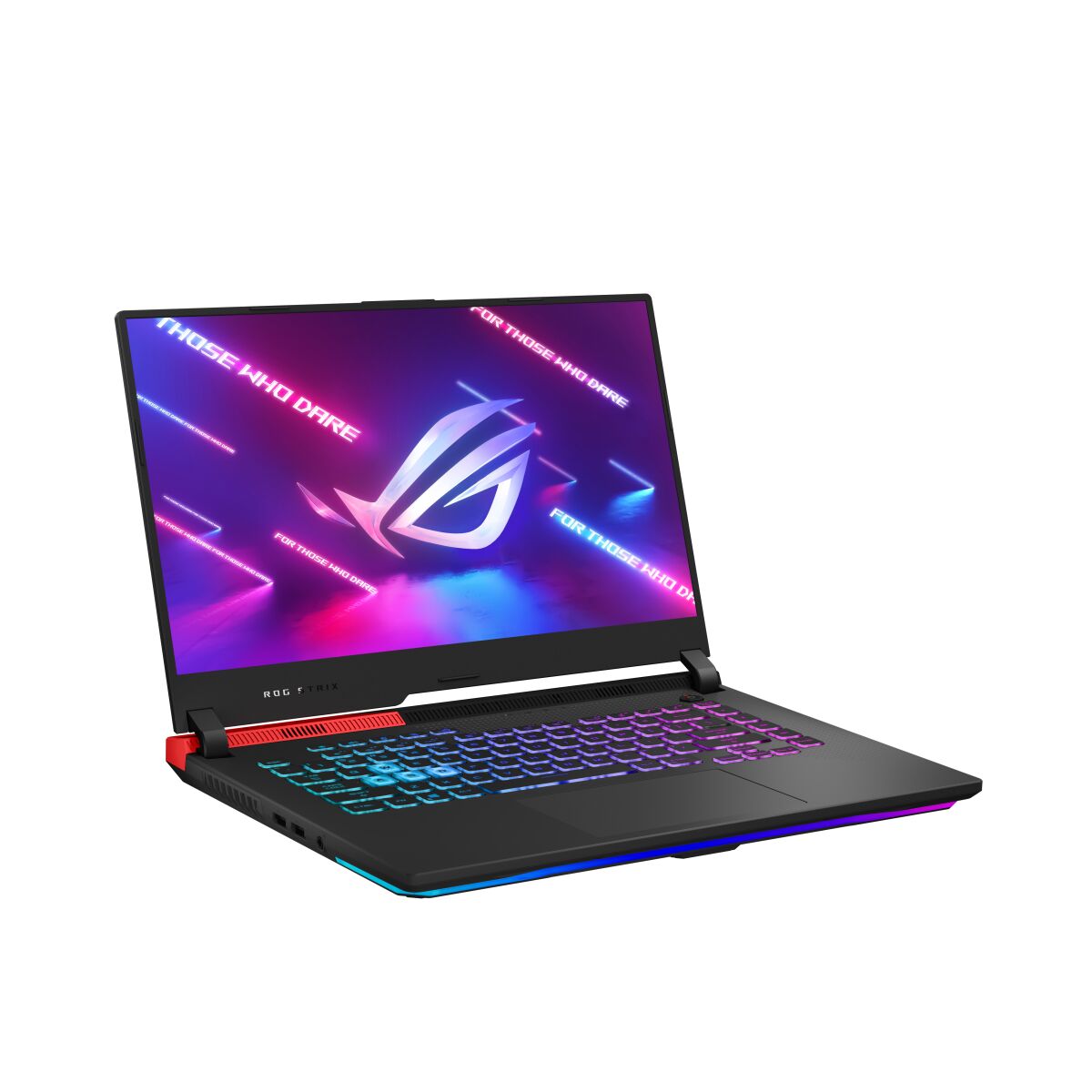
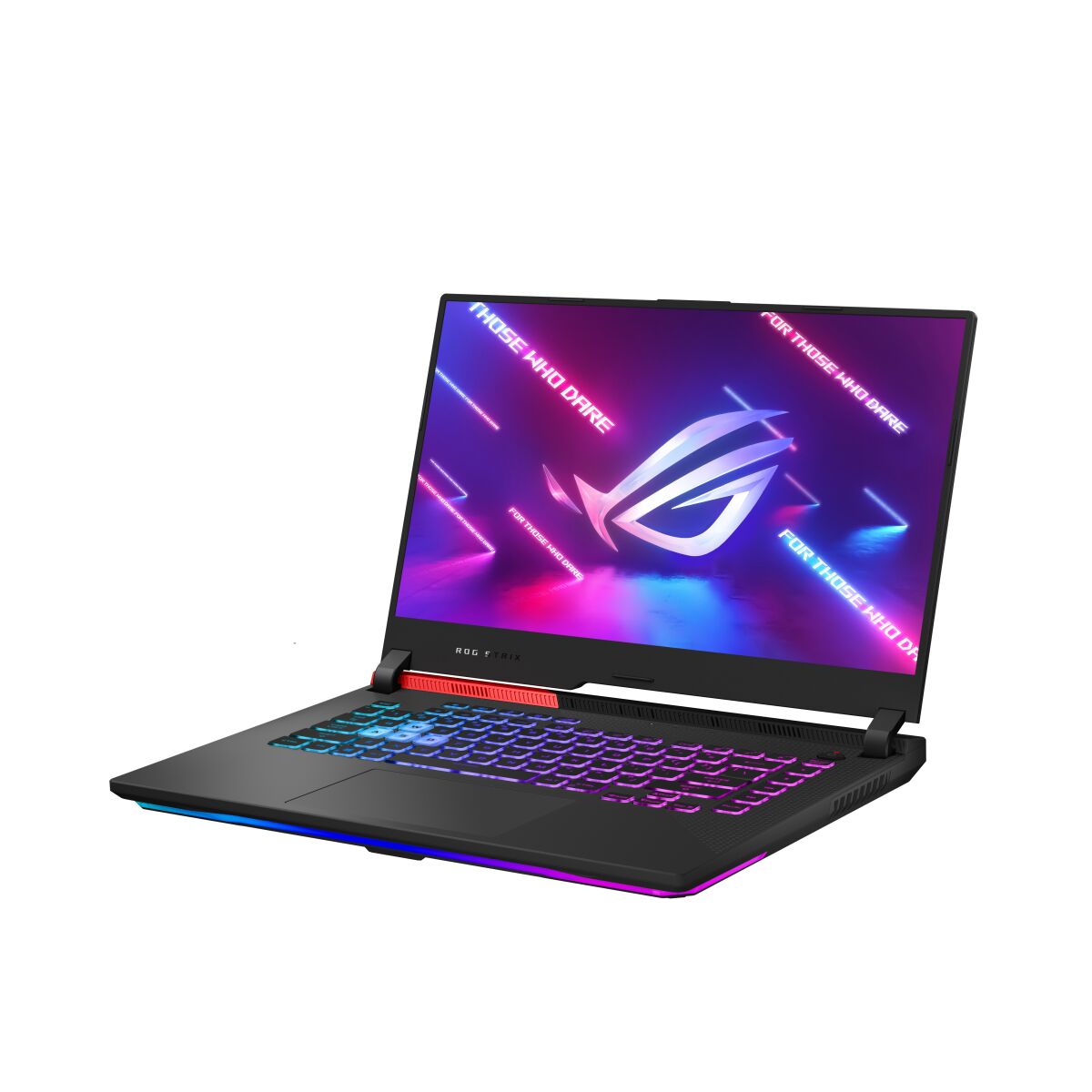
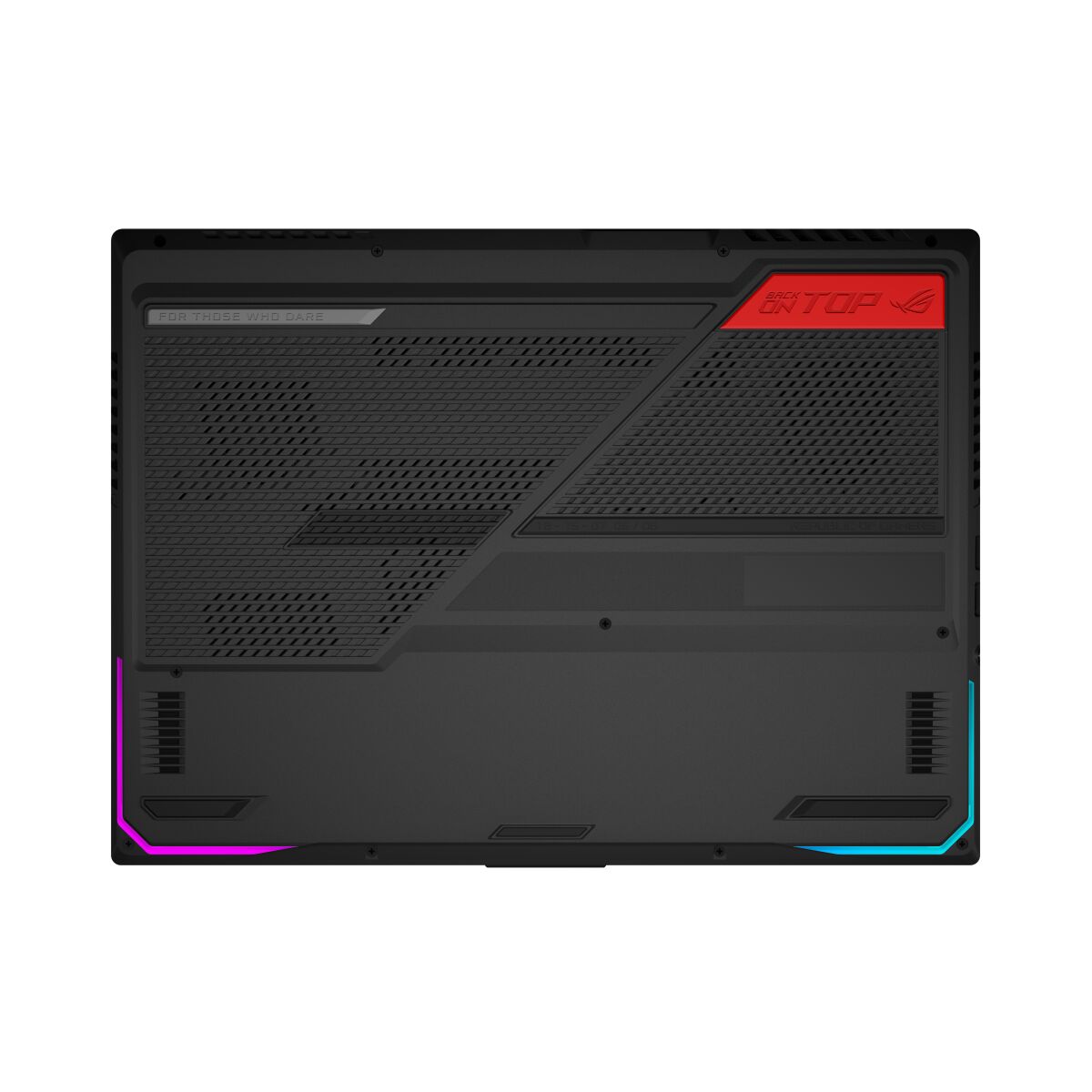
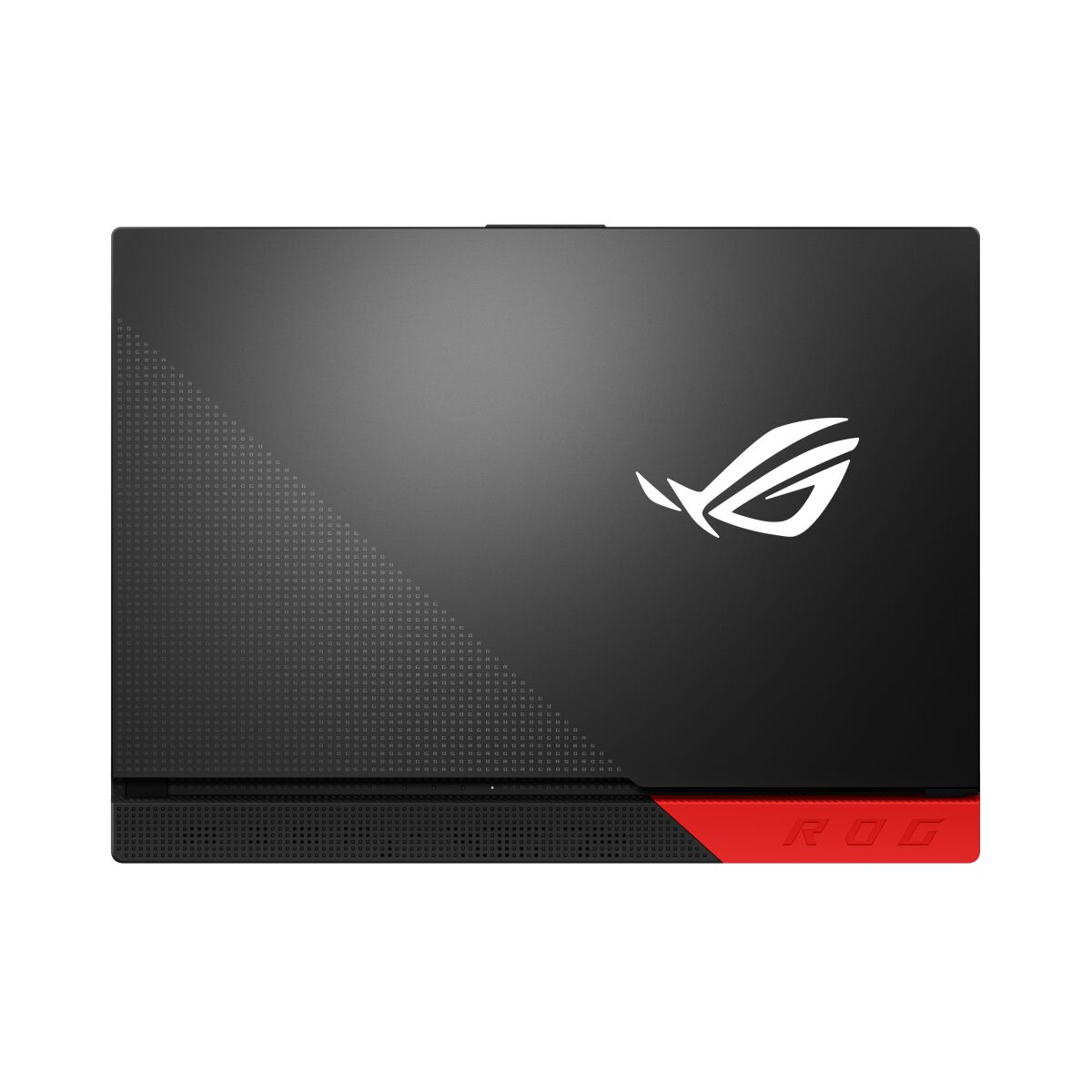
ASUS ROG Strix G15 model G513IH-HN006 features DDR4-SDRAM memory upgrade capability with two SO-DIMM slots supporting maximum capacity of 32 GB total. Compatible RAM modules operate at 3200 MHz frequency specifications. The laptop's memory configuration allows for modular upgrades using standard SO-DIMM form factor components. Maximum memory specifications accommodate expansion from factory-installed capacity to 32 GB configuration through compatible DDR4 memory modules installed in available slots.
Memory Upgrade Specifications
| Specification | Value |
|---|---|
| Memory slots | 2x SO-DIMM |
| Form factor | SO-DIMM |
| Memory type | DDR4-SDRAM |
| Frequency | 3200 MHz |
| Maximum RAM | 32 GB |
| Voltage | 1.2V |
| Number of pins | 260-pin |
| Interface | PC4 |
| PC Speed Rating | PC4-3200 (PC4-25600) |
| Bandwidth | 25.6 GB/s |
| Laptop Release date | 28 January 2021 |
Additional Notes
- The ASUS ROG G513IH-HN006 employs DDR4 technology, which prevents the installation of newer DDR5 modules due to incompatible pin configurations and voltage requirements.
- The 32 GB ceiling limits professional workloads such as large-scale 3D rendering, extensive virtual machine deployments, and complex scientific simulations that benefit from higher memory capacities.
- SO-DIMM modules require less insertion force than desktop DIMMs but demand precise angular alignment during installation to avoid damaging the retention clips.
- Operating at 3200 MHz provides adequate bandwidth for most gaming scenarios but may create bottlenecks in memory-intensive professional applications that leverage higher transfer rates available in DDR4-3600 or DDR4-4000 configurations.
- The 2-slot configuration necessitates populating both slots with 16 GB modules to achieve maximum capacity, leaving no expansion headroom once the limit is reached.
- Memory upgrades using standard retail DDR4-3200 SO-DIMMs maintain manufacturer warranty coverage, as this specification aligns with JEDEC standards rather than proprietary overclocked profiles.
- Mixing modules with different latencies or densities across the 2 slots forces the memory controller to downclock to the lowest common specification, potentially degrading system performance.
- The SO-DIMM form factor restricts third-party module selection compared to desktop platforms, often resulting in higher cost per gigabyte for equivalent specifications.
- Dual-channel architecture across both slots doubles theoretical bandwidth compared to single-module configurations, critical for integrated graphics workloads and memory-bound applications.
- Accessing the memory compartment typically requires bottom panel removal, which may involve disengaging multiple screw types and carefully managing ribbon cable connections to avoid accidental damage.